
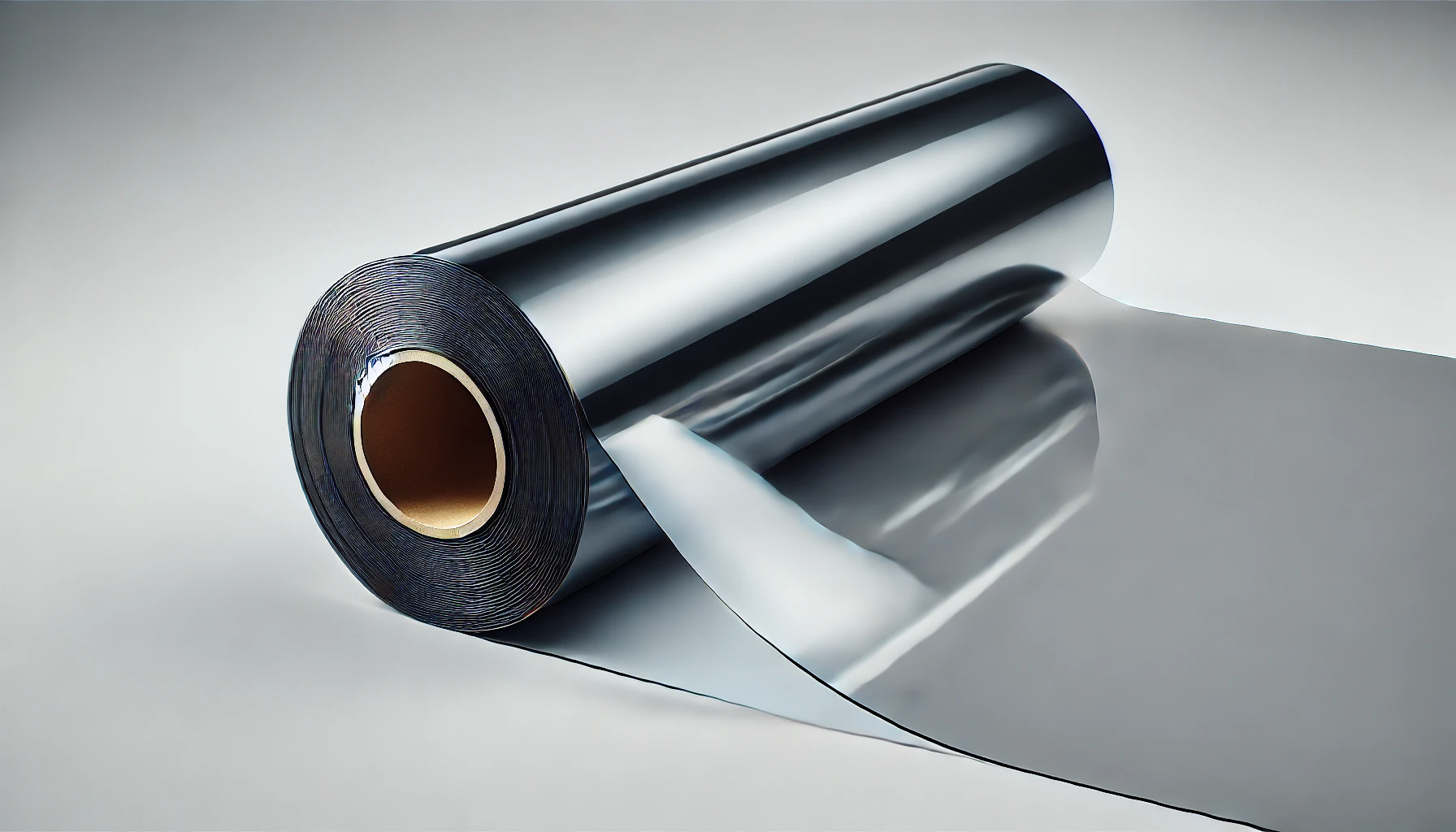
Window films are one of the most searched window upgrades in Toronto. Homeowners and business owners look for ways to control heat, glare, fading, and privacy without replacing their windows.
Window films solve these problems by changing how glass reacts to sunlight. They reduce heat, block UV, limit glare, and control visibility using a thin layer applied directly to existing windows.
Across Toronto and the GTA, window films are used in condos, homes, offices, retail stores, clinics, and schools. You will see them in CityPlace towers, older homes in East York, storefronts along Yonge Street, and offices in Mississauga.
This guide explains what window films are, how they work, and why they make sense for Toronto buildings.
What Window Films Are and How They Work
Window films are thin layers made from polyester and coated with special materials. These layers bond to glass and change how sunlight passes through the window.
Some films reflect heat. Others absorb it. Some scatter light to reduce glare. Many block almost all UV.
Window films help glass perform better without changing the window itself.
In Toronto, untreated windows cause common issues. Rooms overheat in summer. Condos trap heat. Winter sun causes glare but little comfort. Floors and furniture fade over time.
Window films reduce these problems by controlling light and heat before they enter the room.
If you want a simple breakdown of how window films work, that guide explains the basics without technical language.
Why Window Films Matter in Toronto’s Climate
Toronto weather changes fast. Summers are hotter. Winters still hit hard. Glass feels the impact first.
South- and west-facing windows cause the most trouble. In summer, these windows raise indoor temperatures quickly. In condos, this happens even when the AC is running.
In winter, glare becomes the main problem. People close blinds and turn on lights instead.
Window films help balance this by reducing heat gain, cutting glare, and blocking UV year-round.
According to Natural Resources Canada, windows are one of the biggest sources of heat loss and heat gain in Canadian homes.
How Homeowners Use Window Films
Homeowners usually call about comfort first.
In East York and Scarborough, many older homes still have solid windows but poor thermal performance. Replacing them costs a lot. Window films offer a faster fix.
In Vaughan and Richmond Hill, newer homes often have large glass areas. These look great but trap heat.
Homeowners use window films to:
- Cool down hot bedrooms
- Reduce glare on TVs and laptops
- Protect hardwood floors
- Improve privacy near sidewalks
- Lower AC use during heat waves
Case example: A semi-detached home near the Danforth had a west-facing living room that hit 29°C most afternoons. After installing solar window films, the room stayed around 24–25°C on similar days.
For homeowners focused on privacy, this guide on privacy window film options covers the most common solutions.
How Businesses Use Window Films
Businesses use window films for function.
Retail stores deal with faded merchandise. Offices deal with glare on screens. Clinics need privacy without dark rooms.
Window films help solve these issues quietly.
- Storefront glare control
- Office comfort improvement
- Meeting room privacy
- UV protection for displays
- Added safety during glass breakage
Case example: A small retail shop in Liberty Village saw fading near the front window. After UV window film installation, fading slowed and displays stayed usable longer.
Security concerns are also rising. For businesses looking at safety options, security window films help hold broken glass together during impact.
For testing standards related to safety glazing, ASTM provides reference material here: ASTM International.
What Window Film Installation Involves
Installing window films is not just sticking film to glass.
The installer checks the glass type first. Double pane, tempered, or low-e glass each reacts differently.
The wrong film on the wrong glass can cause stress cracks.
Installation usually includes:
- Glass inspection
- Film selection
- Detailed cleaning
- Wet application
- Hand trimming
- Curing time
If you want a step-by-step overview of professional work, this guide explains how security films are installed.
Common Myths About Window Films
“Window films make rooms dark.”
Some do. Many reduce heat while staying clear.
“Window films damage windows.”
Problems happen when film and glass are mismatched.
“DIY films work the same.”
Material quality and installation skill matter.
This comparison of DIY vs professional window film installation explains the difference clearly.
Are Window Films Worth It?
For many Toronto homes and businesses, yes.
Window films solve real problems without major renovation. They improve comfort, protect interiors, and make rooms usable again.
Most people say the same thing after installation. They waited too long.
Learn More About Window Films
If you want to see how window films work in real settings, this overview video explains the basics in plain language:
How Window Film Works – Educational Overview (YouTube)
You can also explore industry guidance from the International Window Film Association.
Talk to a Local Window Film Expert
If you are dealing with heat, glare, fading, or privacy issues, window films are worth a closer look.
Learn more about professional window film solutions at Tintly Window Films.
Better window performance starts with the right film.