Categories
Window Films & Tinting

Top 5 House Window Films for 2026

In recent years, the popularity of window films has soared among homeowners seeking to enhance privacy, improve energy efficiency, and add a decorative touch to their living spaces. The versatility of window films has made them an attractive choice for various applications, from residential to commercial settings. As an expert in home improvement solutions, particularly in window film installations, I understand the importance of selecting the right film for your needs. The right window film not only serves a functional purpose but also complements the aesthetic of your home. In this article, we will explore the top five house window films for 2026, each offering unique benefits to transform your home.

Solar control window films are increasingly popular for their ability to block harmful UV rays, reduce glare, and improve energy efficiency. These films are designed to keep your home cooler in the summer and warmer in the winter, reducing reliance on heating and cooling systems. Not only do they protect your furniture and flooring from fading, but they also contribute to significant energy savings. By reflecting a significant portion of the sun’s heat, these films can drastically reduce the strain on your air conditioning system, leading to lower energy bills over time.

  • Energy Efficiency: By reflecting heat away, these films help maintain a consistent indoor temperature, which is crucial for comfort and cost savings. This reflects the growing trend of sustainable living, where homeowners are increasingly conscious of their carbon footprint.
  • UV Protection: Blocks up to 99% of harmful UV rays, safeguarding your interiors from damage while protecting your family’s health. Prolonged exposure to UV rays can lead to skin problems and fading of interior furnishings, so this benefit is twofold.
  • Glare Reduction: Minimizes glare on screens, providing a comfortable viewing experience, which is especially beneficial in home offices or living rooms. This feature is particularly appealing for those who work from home or enjoy watching television in naturally lit rooms.
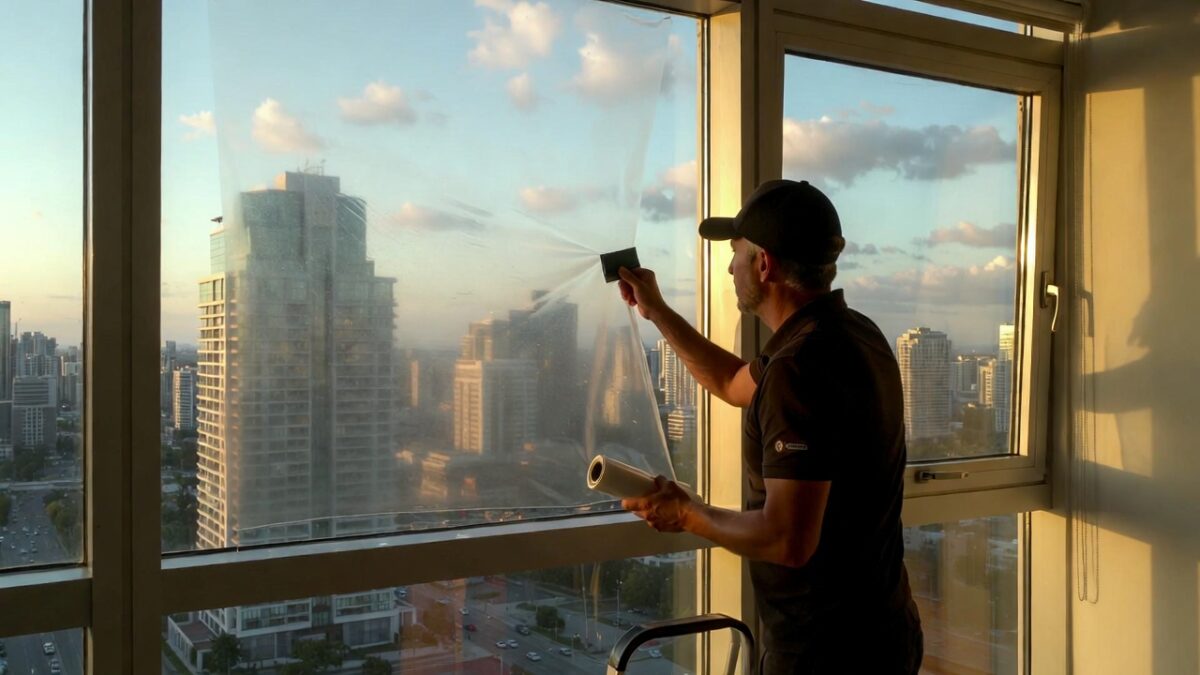
Solar control window film installation

2. Privacy Window Film

Privacy window films are perfect for rooms that require a little extra seclusion, such as bathrooms or home offices. These films come in various designs and opacities, allowing you to choose the level of privacy that suits your needs without sacrificing natural light. Privacy films are not only functional but also add a decorative element to your windows, making them a popular choice for modern home designs.

Types of Privacy Window Film

  • Frosted Window Film: Offers a classic look while obscuring visibility, making it ideal for bathrooms and bedrooms. This type of film is a favorite for those looking to maintain natural light while ensuring privacy.
  • One-Way Mirror Film: Provides daytime privacy by reflecting light, creating a mirror effect on the outside. This is particularly beneficial for ground-level windows or urban homes where privacy is a concern.
  • Blackout Film: Completely blocks out light for maximum privacy and darkness, perfect for nurseries or media rooms. This film is essential for those who require complete darkness for optimal sleep or viewing experiences.

3. Decorative Window Film

Decorative window films are an excellent way to add style and personality to your home. Available in numerous patterns, colors, and textures, these films can mimic the look of stained glass, etched patterns, or even frosted designs. They are a cost-effective way to enhance the aesthetics of any room, offering homeowners the opportunity to express their creativity without a significant financial investment.

Why Choose Decorative Window Film?

  • Customization: Easily customize the appearance of your windows to match your interior design, giving each room a unique character. This flexibility means you can change the look of your windows as trends or your tastes change.
  • Non-Permanent: These films can be removed or replaced without damaging the glass, allowing for easy updates. This feature is particularly appealing for renters or those who frequently update their decor.
  • Cost-Effective: Achieve the look of expensive etched or stained glass at a fraction of the cost, making high-end design accessible to a wider audience. This affordability allows for more frequent updates to keep up with changing styles.

4. Safety and Security Window Film

Safety and security window films are designed to reinforce glass, making it more resistant to shattering. This added strength can deter break-ins and protect your family from injury in the event of an accident or natural disaster. These films are an essential consideration for homeowners concerned about safety, providing peace of mind alongside their protective benefits.

Features of Safety and Security Window Film

  • Impact Resistance: Holds shattered glass in place, reducing the risk of injury from flying shards during accidents. This feature is particularly important in areas prone to extreme weather or in homes with young children.
  • Intrusion Prevention: Makes it more difficult for intruders to break through windows, adding an extra layer of security. This deterrent is often enough to prevent attempted break-ins, protecting your home and valuables.
  • Protection Against Natural Disasters: Provides an extra layer of protection during storms or earthquakes, minimizing damage and danger. In areas susceptible to harsh weather, these films can be a crucial part of disaster preparedness plans.

5. Insulating Window Film

Insulating window films are a fantastic solution for homeowners looking to boost their home’s energy efficiency. By adding an insulating layer to your windows, these films help keep the warmth in during winter and the heat out during summer, similar to solar control films but with a focus on insulation. Their ability to enhance thermal performance is increasingly sought after as energy costs rise and climate change awareness grows.

Advantages of Insulating Window Film

  • Year-Round Comfort: Keeps your home comfortable regardless of the season, providing a stable indoor climate. This stability not only improves comfort but also reduces the workload on HVAC systems.
  • Lower Energy Bills: Reduces the need for excessive heating and cooling, which can significantly cut down on energy expenses. This reduction in energy use also contributes to a smaller carbon footprint, aligning with sustainable living goals.
  • Eco-Friendly: A sustainable choice that contributes to a greener home, appealing to environmentally conscious homeowners. By improving energy efficiency, these films support broader efforts to conserve resources and protect the environment.
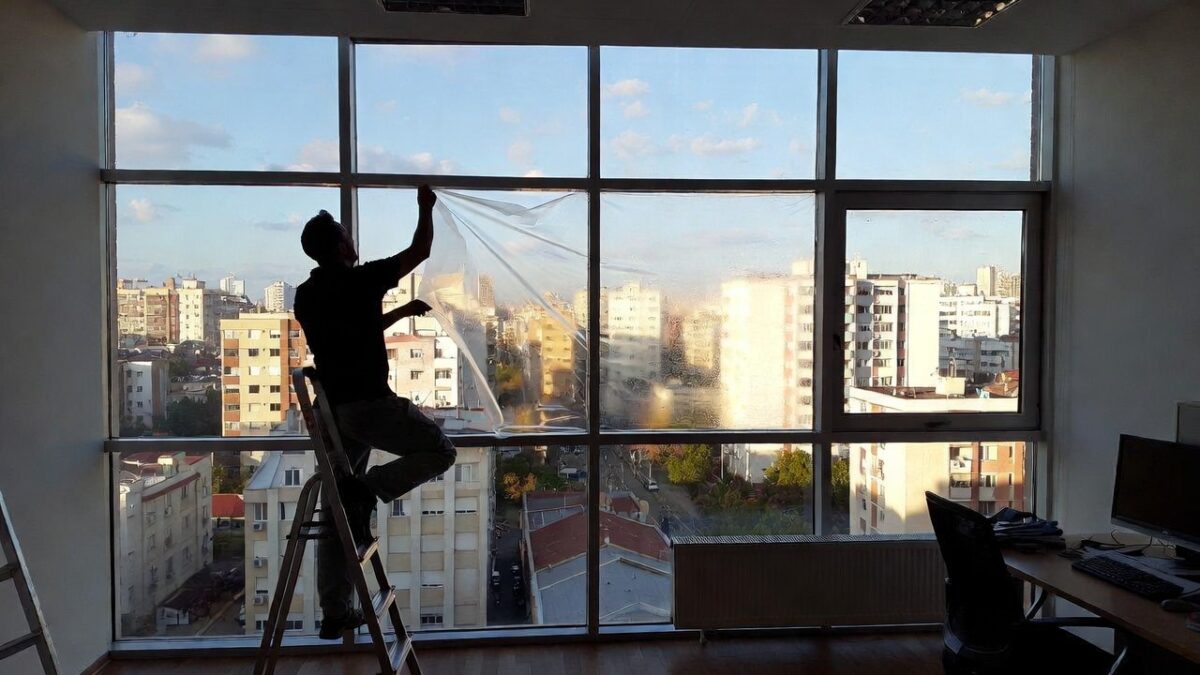
Home with window film installation

How to Choose the Right Window Film

Selecting the right window film depends on your specific needs and preferences. Here are some factors to consider to ensure you choose the best film for your home:

Assess Your Needs

  • Privacy: Do you need more privacy in certain areas of your home? Consider where visibility is a concern and choose films accordingly.
  • Aesthetics: Are you looking to enhance the visual appeal of your windows? Decorative films might be the perfect solution to add a personal touch.
  • Energy Efficiency: Is reducing your energy bills a priority? Films with insulating or solar control properties can offer significant savings.
  • Security: Do you want to increase the safety of your glass windows? Security films provide added protection against break-ins and accidents.

Consider the Location

  • Climate: In areas with intense sunlight, solar control films are beneficial. Conversely, in colder climates, insulating films might be more appropriate.
  • Room Function: Decorative films might be best suited for living spaces, while privacy films are ideal for bathrooms and bedrooms. Consider the primary use of each room to determine the most suitable film type.

Budget

  • Cost-Effective Solutions: Determine your budget and explore options that provide the best value for money without compromising on quality.
  • Long-Term Investment: Consider the long-term savings on energy bills when choosing films focused on efficiency, as these can offer substantial returns over time.

Conclusion

House window films are versatile solutions that offer numerous benefits, from enhancing privacy and aesthetics to improving energy efficiency and security. By understanding the different types of window films available in 2026, you can make an informed decision that aligns with your needs and enhances your home. The right film can transform not just your windows, but the entire ambiance of your living space.

As a trusted source in home improvement, I hope this guide helps you discover the perfect window film solution to create a more comfortable, stylish, and efficient living space. Whether you’re an interior designer seeking cost-effective solutions or a homeowner looking to upgrade your windows, these top five window films are sure to meet your expectations and elevate your home’s appeal. By investing in window films, you’re not just making a home improvement; you’re enhancing your quality of life.

Categories
Window Films & Tinting

What Is Sun Control Window Tinting? How Window Films Reduce Cooling Costs in Toronto Homes and Offices

Window films are one of the most practical upgrades people across Toronto and the GTA look into once summer heat starts pushing indoor temps up fast. Search data shows the same pattern every year. As soon as June hits, people start asking why some rooms feel hot all day and why cooling bills jump even when the AC never shuts off.

Sun control window tinting is a type of window films designed to slow heat before it enters through glass. In cities like Toronto, where condos, offices, and homes use large windows, this one change can affect comfort more than people expect. This page explains what sun control window tinting is, how window films work, and why so many local property owners rely on them to manage cooling costs.

What Sun Control Window Tinting Really Is

Sun control window tinting is a category of window films applied directly to glass. The film changes how sunlight behaves when it hits the window. Instead of letting heat pass straight through, the film reflects and absorbs a portion of that solar energy.

This matters in Toronto because a lot of buildings use glass-heavy designs. Condos near Harbourfront, offices around North York Centre, and newer homes in Vaughan all face the same issue. Once sunlight hits those windows, heat builds up fast.

Many people assume heat comes from outdoor air. In reality, a big portion comes through the glass itself. Window films target that exact problem. By reducing heat at the window, rooms warm up slower and stay more stable during the day.

Sun control window tinting still allows daylight inside. It does not turn rooms into dark spaces when the right film is used. Most modern window films focus on heat control first, not darkness.

How Window Films Help Lower Cooling Costs

Cooling systems work harder when heat enters a space all day. Sun control window tinting reduces that heat load. This leads to shorter AC cycles and less strain on equipment.

Here is how window films support cooling cost control:

  • Heat from sunlight is reduced before it enters
  • Indoor temperatures rise slower during peak sun hours
  • Air conditioners cycle less often
  • Cooling systems maintain steadier output

In a mid-rise condo near Yonge and Eglinton, one unit owner installed sun control window films on west-facing windows. By August, afternoon room temperatures dropped enough that the AC no longer ran non-stop from 2 pm onward. Cooling use fell without changing thermostat settings.

This pattern is common across the GTA. Window films do not replace air conditioning. They reduce how hard it has to work.

Where Sun Control Window Tinting Makes the Most Impact

Not every window causes the same problem. Sun exposure varies by direction and building type. Window films deliver the most value where sunlight stays strong for hours.

High-impact areas include:

  • South-facing living rooms and offices
  • West-facing condo windows
  • Retail storefront glass
  • Meeting rooms with large windows
  • Sunrooms and patio doors

In Scarborough retail strips, many storefronts face full afternoon sun. Business owners often complain about uneven temperatures near the glass. Window films help reduce that heat buildup and make front areas usable again.

Homes see similar issues upstairs. Bedrooms with large windows often trap heat all afternoon. Window films help stabilize those rooms without constant AC use.

Sun Control Window Tinting for Homes and Offices

Homes and offices use window films for similar reasons, but daily needs differ.

In homes:

  • Bedrooms stay cooler during heat waves
  • Living areas feel more balanced
  • AC use drops during peak hours

In offices and commercial spaces:

  • Indoor comfort stays more consistent
  • HVAC systems face less daily load
  • Employees near windows feel fewer hot spots

In Downtown Toronto offices, sun control window films often help manage afternoon glare and heat without blinds being closed all day. Natural light stays usable while heat stays under control.

How Window Films Compare to Window Replacement

People often ask if replacing windows makes more sense. In many cases, window films solve the problem faster and with less disruption.

Replacing windows involves construction, permits, and higher costs. Window films apply directly to existing glass and begin working right away.

For a deeper breakdown, see window films vs window replacements, which covers where each option makes sense.

For many Toronto properties, window films deliver heat control without major renovation work.

Installation and What to Expect

Professional installation plays a big role in how window films perform over time. Film choice, glass type, and application quality all affect results.

A proper install includes:

  • Reviewing window size and orientation
  • Selecting the right sun control film
  • Cleaning glass thoroughly
  • Applying film with controlled techniques

Most residential installs finish in a day. Offices and retail spaces may take longer depending on square footage.

For more on install planning, read key considerations when installing window films.

Solar Control, UV, and Energy Performance

Sun control window tinting often overlaps with solar window films. These films reduce infrared heat while still allowing visible light.

They also block a high percentage of UV rays. This protects interiors and helps support indoor comfort.

Learn more about this category in solar window films.

For official guidance on energy performance, Natural Resources Canada explains how window attachments support energy savings. See NRCan home energy efficiency resources.

Real GTA Example: Office Cooling Load Reduction

A small office near Kipling Station installed sun control window films on all west-facing glass. Before installation, the HVAC system ran hard from early afternoon onward. Staff complained about heat near windows.

After installation, interior temperatures stabilized and AC cycles shortened. Energy tracking over two months showed lower cooling demand without adjusting thermostat settings.

This kind of result is common when window films address direct sun exposure.

Why Window Films Work as a Long-Term Cooling Strategy

Window films work every sunny day without effort. They reduce heat before it enters and support cooling systems quietly in the background.

Benefits over time include:

  • Lower cooling demand year after year
  • More even indoor temperatures
  • Reduced HVAC wear
  • Improved comfort during summer peaks

Energy programs like the ENERGY STAR window attachment guidance also highlight window films as a useful option for improving building performance.

For Toronto homes and offices dealing with rising cooling costs, window films remain one of the most direct ways to address heat at the source.

Frequently Asked Questions

What is sun control window tinting?

Sun control window tinting is a window film that reduces heat and glare from sunlight. It helps keep indoor spaces cooler.

Do window films reduce cooling costs?

Window films lower heat entering through glass. This reduces air conditioner use and cooling demand.

Are window films good for Toronto’s climate?

Window films work well in Toronto and the GTA. They help manage strong summer sun while keeping natural light.

Do sun control window films darken rooms?

Most sun control window films reduce heat without making rooms dark. Many keep spaces bright.

How long do window films last?

Professionally installed window films can last 10 to 20 years. Film quality and installation affect lifespan.

Categories
Window Films & Tinting

Finding Local Window Tinting Services Easily

# Finding Local Window Tinting Services Easily

If you’ve been thinking about enhancing your car’s appearance or improving your home’s energy efficiency, window tinting is a great option to consider. But finding a reliable service provider for window tinting near you can sometimes feel like searching for a needle in a haystack. This article will guide you through the process of finding local window tinting services easily and efficiently.

Window Tinting Process

Understanding the Benefits of Window Tinting

Before diving into the search, it’s important to understand why window tinting is beneficial. Whether you’re looking to tint car windows or install window films at home, the benefits are substantial.

Enhancing Aesthetics and Privacy

Window tinting can drastically change the look of your car or home, adding a sleek, modern touch. It also enhances privacy, keeping prying eyes from peeking into your personal space without sacrificing natural light.

Improving Energy Efficiency

For homeowners, window tinting can significantly reduce the amount of heat entering the home. This, in turn, lowers cooling costs, making your home more energy-efficient. For cars, it keeps the interior cooler, reducing the need for air conditioning.

Protecting Against UV Rays

Tinted windows block harmful UV rays that can cause skin damage and fade interior furnishings. This protection is crucial for both vehicles and homes, ensuring longevity and preserving value.

How to Search for Tinting Services Near You

Knowing the benefits, the next step is finding a tinting service provider that meets your needs. Here’s how to get started.

Start with Online Searches

The easiest way to begin your search is by using search engines with key terms like “car window tint” or “who tints windows near me”. This will yield a list of local businesses that offer window tinting services.

Check Business Directories

Websites like Yelp, Angie’s List, or the Better Business Bureau can provide reviews and ratings of local tinting companies. This information will help you gauge the quality of service they provide.

Online Search Results

Ask for Recommendations

Word of mouth is another effective way to find reliable services. Ask friends, family, or colleagues if they have any recommendations for tinting services they’ve used and were satisfied with.

Visit Showrooms

Once you have a shortlist of potential service providers, visiting their showrooms can give you a better idea of their service quality and options available. You can also speak directly with professionals to get a sense of their expertise and customer service.

Evaluating Tinting Service Providers

Having found some potential providers, here are factors to consider when making your choice.

Experience and Expertise

Look for companies with a proven track record in window tinting. Experienced providers are more likely to offer quality service and solve any issues that arise during the installation process.

Range of Services

Check if the provider offers a variety of tinting options. This includes different shades, materials, and technologies that cater to your specific needs, whether it’s for a vehicle or a home.

Warranty and Aftercare

A reputable tinting service will offer warranties on their work. This assures you of their confidence in the quality of their installations and provides peace of mind for you in case of defects or issues.

Price and Value

While cost shouldn’t be the only deciding factor, it’s important to get a fair price. Compare quotes from different providers and weigh them against their reputation and the quality of materials used.

Common Window Tinting Options

Understanding the types of tinting options available can help you make an informed decision.

Dyed Window Tint

This is the most economical option, providing a dark, matte appearance. It blocks sunlight effectively but may fade over time.

Metalized Window Tint

This type of tint uses tiny metallic particles to reflect sunlight. It’s durable and provides a shiny appearance but can interfere with cell phone and radio signals.

Carbon Window Tint

Carbon tints are known for their matte finish and excellent UV protection without signal interference, making them a popular choice for both cars and homes.

Ceramic Window Tint

Ceramic tints are the top-tier option, offering excellent heat and UV protection without any signal interference. They are more expensive but offer superior performance and longevity.

Types of Window Tint

by Connie de Vries (https://unsplash.com/@conniedevries)

Final Thoughts

Finding the right window tinting service can transform your car or home by enhancing aesthetics, improving energy efficiency, and protecting against UV rays. By understanding the benefits and knowing how to find and evaluate local providers, you can make an informed decision that meets your needs and budget.

Remember, the right window tinting service will offer a balance of quality, service, and value, ensuring you enjoy the benefits of window tinting for years to come. So start your search today and take the first step towards a cooler, more private, and energy-efficient space.

Categories
Window Films & Tinting

Solar Window Film vs Low-E Glass: How Window Films Really Compare for Toronto Homes

Window films are one of the most searched upgrades in Toronto once warm weather hits. Homeowners and business owners start asking the same thing every year. Why does the sun make some rooms unbearable? Why does the AC never stop? And why do energy bills spike so fast?

In Toronto and the GTA, most buildings have large glass areas. Condos near the Gardiner. Homes in Scarborough with west-facing windows. Offices in Mississauga wrapped in glass. All of them deal with heat gain through windows. That’s why people end up comparing window films to Low-E glass.

This page breaks down how window films, especially solar window film, compare to Low-E glass in real Toronto conditions. No sales talk. Just what actually works, what costs more, and what fits local buildings.

Why this comparison matters in Toronto

Toronto has short springs and fast summers. Once June hits, sun angles get sharp. South- and west-facing windows turn into heaters. Last August, during a heat warning, we saw calls jump from North York condos and Etobicoke semis within the same week. Same issue. Same glass. Same heat.

People usually think replacing windows is the only fix. That’s where window films come in.

How window films work on existing glass

Window films are thin layers installed directly onto current windows. They control heat, glare, and UV without replacing glass. Solar window film is the most common type used for heat control in Toronto.

If you want a plain-language breakdown of film types, this guide helps a lot: Introduction to window films: understanding the basics.

Solar window film reflects and absorbs solar energy before it enters the space. That’s the big difference. It deals with heat at the glass surface, not after the room heats up.

Performance of window films in GTA homes

Window films work best on windows that already exist and still seal properly. Most Toronto homes fall into this category.

Here’s what solar window films usually do in real spaces:

  • Reduce solar heat gain
  • Cut harsh glare on screens
  • Block UV that fades floors and furniture
  • Keep rooms more even in temperature

A detached home in Markham we worked on last summer had one upstairs bedroom reaching 30°C by noon. After installing window films on two west-facing windows, the room dropped by several degrees and stayed usable all day. Same windows. Same AC. Less heat.

That kind of result is common when the problem is sunlight, not insulation failure.

Cost and install timing for window films

This is where window films stand out.

Installation happens from the inside. No glass removal. No exterior work. Most Toronto homes finish in a few hours.

Cost stays much lower than replacing windows. That matters in condos, rentals, and older homes where frames still work fine.

For homeowners comparing options, this article lines it up clearly: Benefits of choosing window films over replacements.

What Low-E glass does differently

Low-E glass has a coating built into the glass at the factory. It reflects some heat and improves insulation. It works best when installed as part of a new window system.

Many newer homes in Oakville and Newmarket already have Low-E glass. In those cases, solar control might already be decent.

Limits of Low-E glass in older Toronto buildings

Low-E glass needs full window replacement. That creates a few issues in Toronto:

  • Condo approval is often required
  • Installation takes longer
  • Cost climbs fast
  • Frames may also need replacement

Low-E glass also doesn’t always handle glare well. People still end up adding blinds or shades after replacing windows.

That’s why many Toronto homeowners with working windows choose window films instead of full replacement.

Window films vs Low-E glass: side-by-side in real use

Here’s how the two options compare in everyday Toronto homes.

Window films

  • Install on current windows
  • Lower upfront cost
  • Fast install
  • Strong heat and UV control
  • Good glare reduction
  • Works in condos

Low-E glass

  • Needs window replacement
  • Higher cost
  • Longer install
  • Good insulation
  • Glare control depends on glass type
  • Condo limits apply

If your windows are broken or leaking, replacement makes sense. If heat and glare are the main problems, window films usually solve it faster.

Seasonal performance of window films in Toronto

People often think window films are only for summer. That’s not true.

In winter, solar window films help reduce radiant heat loss through glass. It doesn’t turn windows into walls, but it helps stabilize room temps. That matters during cold snaps in January and February, especially in older homes.

Natural Resources Canada has data on window heat transfer here: Natural Resources Canada – Windows and Doors.

Case study: downtown office glare problem

A small office near King Street West had floor-to-ceiling glass. Staff complained about screen glare and afternoon heat. Blinds blocked light but made the space feel dark.

Solar window films were installed on the south side only. Glare dropped. Screens stayed readable. AC cycles reduced. No exterior changes. The building manager approved it because nothing changed outside.

That’s a typical downtown Toronto use case for window films.

Why local window film experience matters

Toronto buildings are mixed. Brick homes. Glass towers. Double-pane windows from the 90s. New triple-pane units.

Local installers know which window films work with which glass types. That helps prevent seal problems and performance issues.

This checklist explains what to look at before installing: What are key considerations when installing window films.

Timing also matters. Cold winter installs need different handling than summer installs. Local crews know this stuff.

Window films for businesses across the GTA

Window films aren’t just for houses.

They’re used in:

  • Retail shops with sun exposure
  • Clinics needing calmer light
  • Offices with glass boardrooms
  • Restaurants with front windows

A café in Vaughan added solar window films before patio season. Customers stopped moving seats away from the windows. Staff noticed the AC wasn’t fighting as hard. Simple fix. Big comfort change.

Common questions people ask about window films

People usually ask:

  • Will the room get darker?
  • Can people see in?
  • Is it allowed in condos?
  • Does it damage glass?

The answer depends on film type. Solar window films come in many shades and clarity levels. Some look almost clear. Others add privacy. Most condo boards allow interior film.

Window films vs window replacement costs

Window replacement can cost tens of thousands in Toronto. Window films usually cost a fraction of that.

For homeowners watching budgets, this matters. Many people install window films now and replace windows later when frames actually fail.

That’s why searches for window films Toronto spike every spring.

Final thoughts for Toronto homeowners

If you’re building new, Low-E glass works well. If your windows still function and heat is the problem, window films usually make more sense.

They install fast. They cost less. They work with Toronto buildings instead of against them.

For people dealing with glare, heat, or fading, solar window films solve problems without tearing anything out.

If you want to understand all film options available locally, start here: Window films overview.

This approach fits Toronto homes, condos, and businesses because it matches how buildings are actually built here.