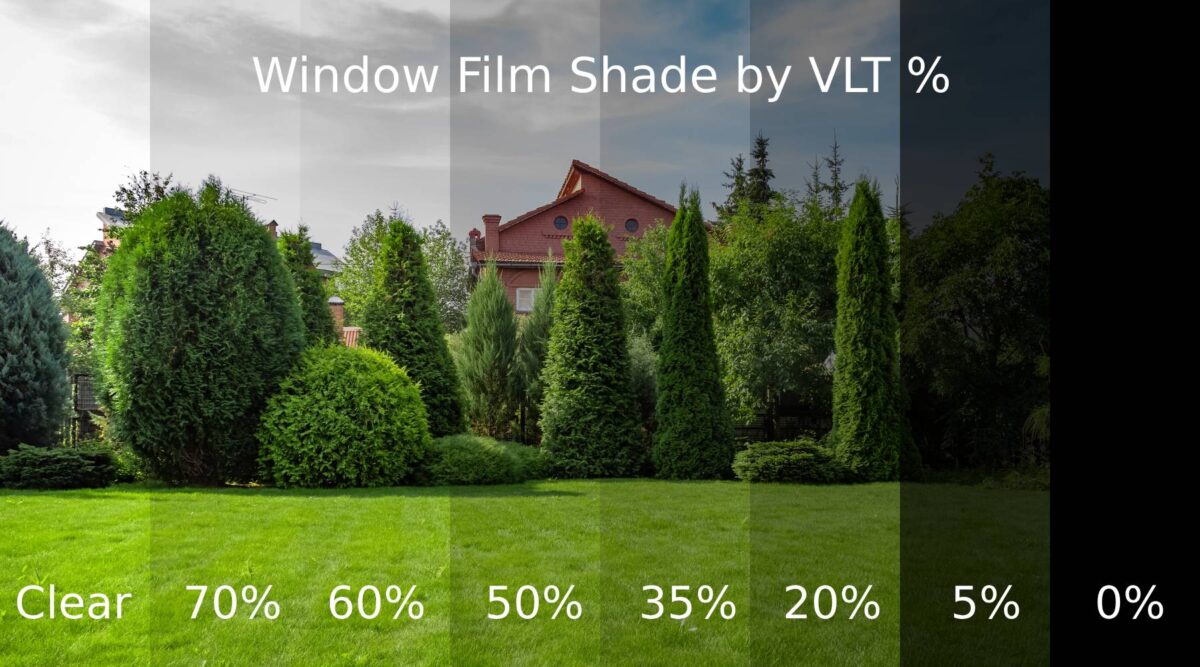

Window tinting darkness levels refer to the amount of light that can pass through the tinted film, which directly influences the brightness and temperature of your interiors. This is often measured as a percentage, known as Visible Light Transmission (VLT). The VLT percentage is crucial because it determines the tint’s effectiveness in various applications, such as heat reduction, glare control, and privacy enhancement. The lower the VLT percentage, the darker the tint. For example, a window film with a VLT of 20% allows only 20% of the visible light to pass through, while a 70% VLT film allows 70% of the light in.
Understanding these levels is essential for choosing the right window tint for your home, as it affects both the appearance and functionality of the windows. Different rooms may require different levels of tinting based on their orientation to the sun and their intended use. Moreover, selecting the appropriate tint can also influence your home’s curb appeal and potentially increase its market value. By familiarizing yourself with these tint levels, you can ensure that your choice aligns with both your practical needs and aesthetic preferences.
Benefits of Different Tint Darkness Levels
Very Light Tints (70% – 90% VLT)
Very light tints are barely noticeable and maintain the original appearance of the windows, making them an excellent choice for those who value unobstructed views and abundant natural light. This level of tint is ideal for homeowners who want to preserve natural light while still gaining some benefits of window film.
- Energy Efficiency: Even very light tints can help reduce heat gain, thus lowering energy bills, particularly during the summer months when solar heat can significantly increase cooling costs.
- UV Protection: They block harmful UV rays, protecting your furniture and interiors from fading, which is particularly beneficial for homes with valuable artworks or delicate fabrics.
- Glare Reduction: They reduce glare on screens, making it more comfortable to work or watch TV, especially in rooms with direct sunlight exposure.
Medium Tints (40% – 60% VLT)

Medium tints provide a balance between light transmission and privacy, catering to homeowners who want a bit of both worlds. They are ideal for living rooms and kitchens, where maintaining a bright atmosphere is essential for daily activities and social gatherings.
- Improved Privacy: Medium tints obscure the view from the outside, offering added privacy without making the interiors feel too enclosed or dark.
- Comfort: They significantly reduce glare and heat, enhancing comfort in sunny rooms, making them more usable throughout the day.
- Aesthetic Appeal: They add a subtle hint of color and style to the windows without being overpowering, often complementing modern interior designs and enhancing the overall look of your home.
Dark Tints (15% – 35% VLT)
Dark tints are perfect for spaces where privacy and light control are top priorities, such as bedrooms and media rooms. These tints provide a more subdued and intimate atmosphere, ideal for relaxation and entertainment.
- Enhanced Privacy: Dark tints provide excellent privacy by preventing outsiders from seeing inside, allowing for a more secure and secluded environment.
- Maximum Heat Rejection: They are highly effective at blocking solar heat, keeping rooms cooler, which can be particularly beneficial in hotter climates where air conditioning costs are a concern.
- Reduced Energy Costs: By minimizing heat gain, dark tints can lead to significant savings on cooling expenses, contributing to a more energy-efficient home overall.
Very Dark Tints (5% – 10% VLT)
Very dark tints are mainly used for specialized purposes where maximum privacy and light control are essential. Their intense shading makes them suitable for niche applications that demand strict control over light and visibility.
- Complete Privacy: These tints offer almost complete privacy, making them suitable for certain bathroom windows or security-sensitive areas where confidentiality is crucial.
- Maximum Sun Protection: They provide the highest level of UV and glare protection, safeguarding interiors from sun damage, which is particularly important for rooms with valuable or sensitive items.
- Energy Efficiency: By blocking out most solar heat, very dark tints can drastically reduce cooling costs, making them an attractive option for energy-conscious homeowners seeking long-term savings.
Factors to Consider When Choosing Tint Darkness Levels
Local Regulations
Before selecting a tint darkness level, it’s essential to check local regulations, as these can vary significantly from one area to another. Some areas have restrictions on how dark residential window tints can be, especially for street-facing windows, to ensure safety and compliance with neighborhood standards.
Room Functionality
Consider the function of each room when choosing tint levels, as different spaces in your home have different requirements. For instance, a home office may benefit from a medium tint to reduce glare on computer screens, while a bedroom may require a darker tint for privacy, ensuring that each room serves its purpose optimally.
Climate
In hotter climates, darker tints can help keep homes cooler by blocking more solar heat, thus reducing reliance on air conditioning and lowering energy bills. Conversely, in cooler climates, lighter tints can preserve warmth while still providing UV protection, striking a balance between comfort and energy efficiency.
Personal Preference
Ultimately, your personal preference and aesthetic goals play a significant role in choosing tint darkness levels. Consider how each level will complement your home’s interior design and exterior appearance, as the right tint can enhance your living space’s look while meeting your practical needs.
Choosing the Right Window Tint Shade

by Saad Ahmad (https://unsplash.com/@saadahmad_umn)
Selecting the right window tint shade involves finding the perfect balance between functionality and style. It’s a decision that can significantly impact your home’s comfort, energy efficiency, and visual appeal. Here are some tips to help you make the right choice:
- Assess Your Needs: Determine your primary goals, whether it’s energy efficiency, privacy, or aesthetic enhancement, as these will guide your decision-making process.
- Sample and Compare: Request samples of different tint shades and test them on your windows to see how they look at different times of the day, ensuring that you select a shade that performs well under varying light conditions.
- Consult a Professional: If you’re unsure, consult with a window tinting professional who can recommend the best options based on your needs and local regulations, providing expert advice to help you make an informed choice.
Conclusion
Window tinting is a versatile home improvement solution that offers numerous benefits, from energy savings to enhanced privacy. By understanding window tinting darkness levels and how they affect your home, you can make informed decisions that meet your needs and elevate your living space. Whether you prefer subtle light tints or bold dark shades, there’s a tint level that’s perfect for you. Embrace the advantages of window tinting and transform your home into a more comfortable, stylish, and energy-efficient environment. With the right choice, you can enjoy a harmonious blend of functionality and aesthetics, tailored to your lifestyle and personal taste.