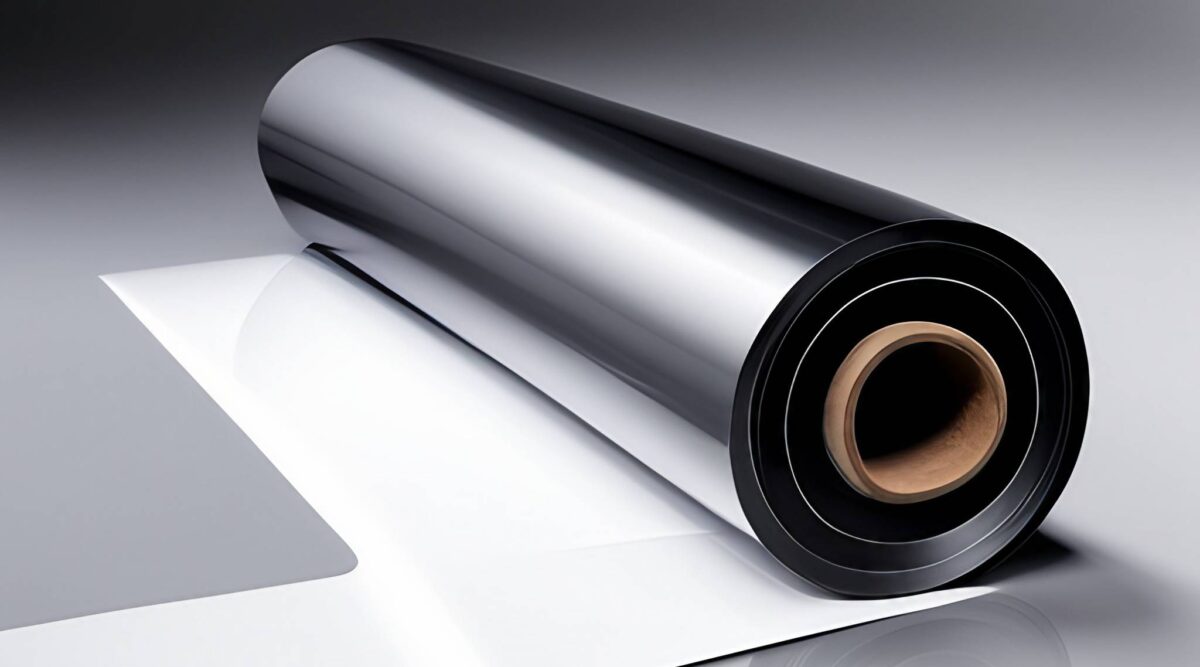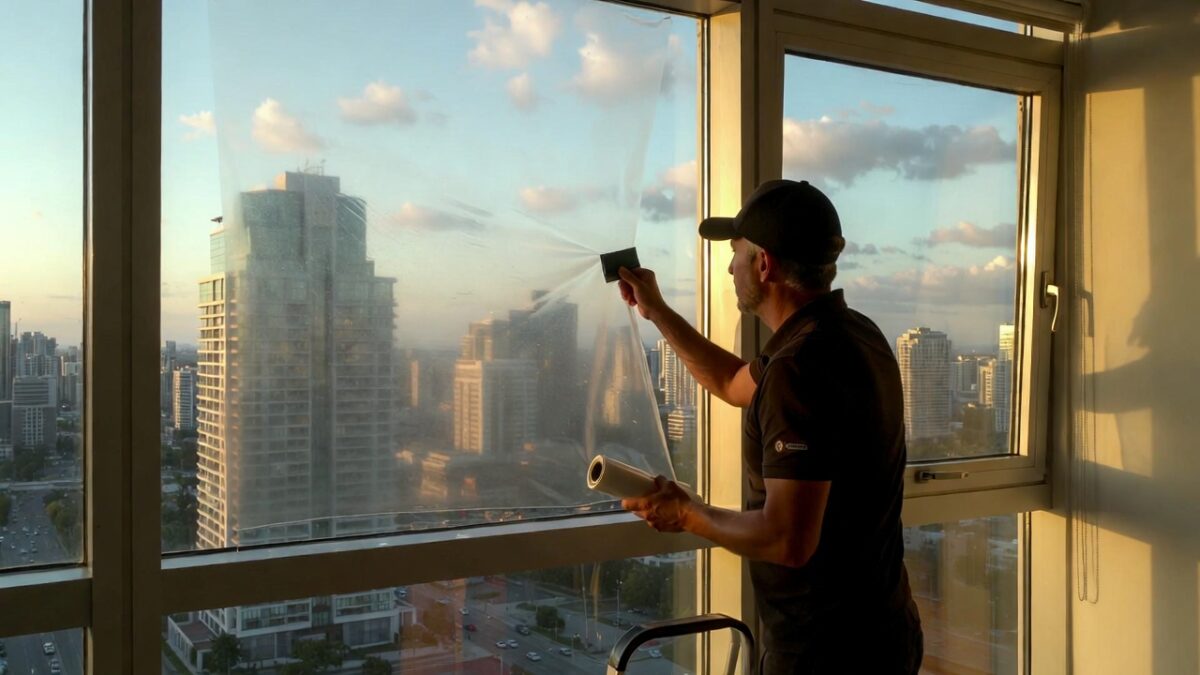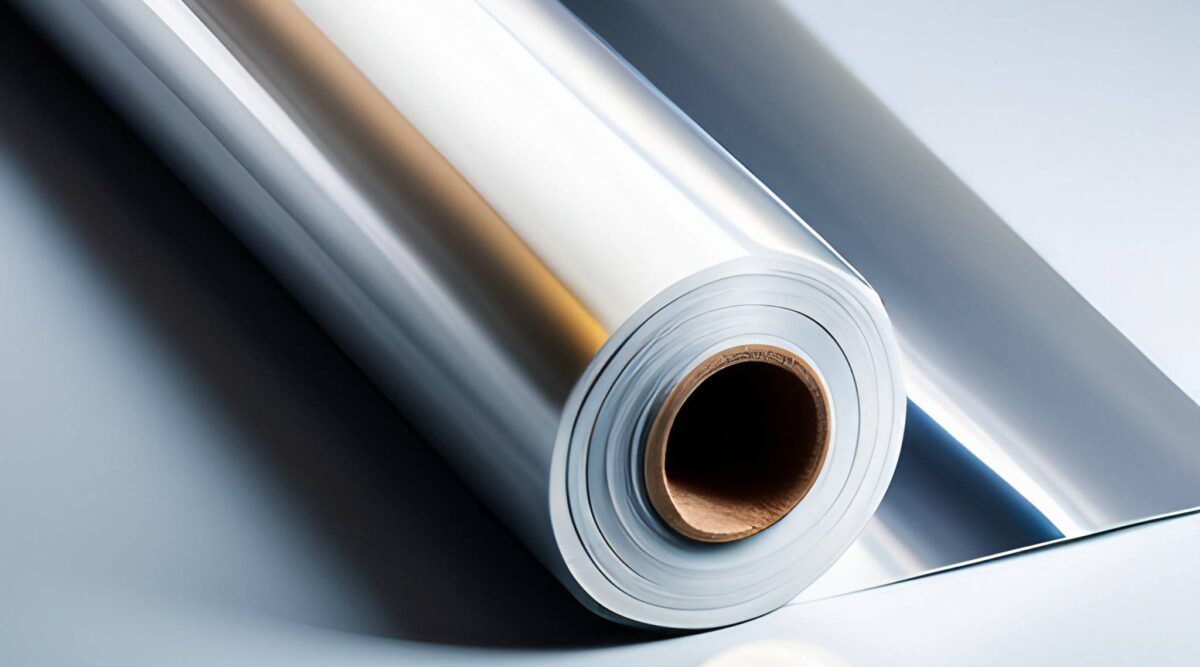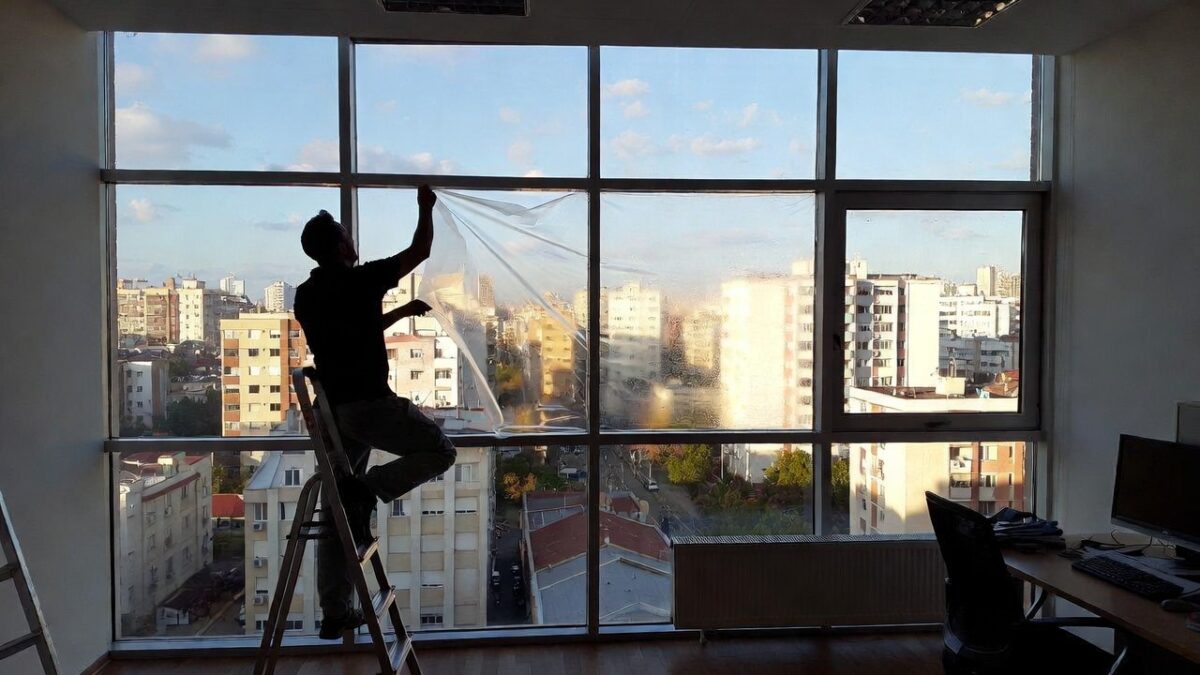
Window films are a versatile solution that offers privacy, reduces glare, and helps in energy conservation. However, there may come a time when you need to remove the window film, either because it has deteriorated or you simply wish to update the look of your space. Removing window film can seem daunting, but with the right techniques and tools, it can be straightforward. This guide will walk you through effective methods to remove window film from your home or car, ensuring a clean and clear surface ready for a new look.

Why Remove Window Film?
Before we dive into the techniques, it’s essential to understand why you might want to remove window film. Over time, window films can become discolored, bubbled, or peeled, detracting from the appearance of your windows. Additionally, older films may not provide the same level of UV protection or energy efficiency as newer options. Whether you’re seeking to improve aesthetics, upgrade to better technology, or simply maintain your windows, removing the existing film is often the first step.
Preparing for Window Film Removal
Before you start the removal process, gather the necessary tools and materials. You’ll need:
- A razor blade or utility knife
- Soapy water in a spray bottle
- A scraper or squeegee
- Paper towels or a soft cloth
- A hairdryer or a heat gun (optional for stubborn films)
Having these items ready will make the process smoother and more efficient.

Techniques for Removing Window Film
Method 1: The Soapy Water Technique
The soapy water technique is one of the most popular methods for removing window film. Here’s how to do it:
- Spray the Film: Generously spray the window film with the soapy water. Make sure the entire surface is covered, as this will help loosen the adhesive.
- Peel the Film: Start at one corner and gently peel the film away from the glass. If the film is resistant, use a razor blade to lift the edge. Be careful not to scratch the glass.
- Continue Peeling: Slowly peel the film, spraying more soapy water as needed to keep the adhesive soft. If the film tears, use the razor blade to lift a new edge and continue.
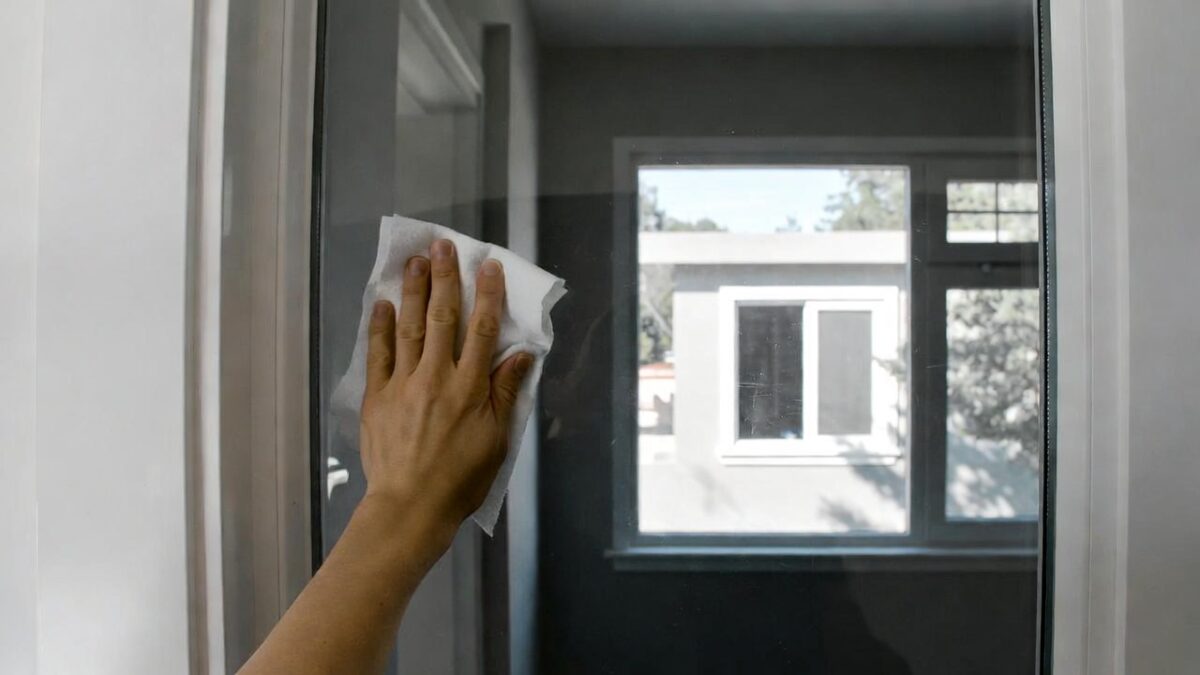
- Remove Residual Adhesive: Once the film is off, spray the glass with soapy water again and use the scraper or squeegee to remove any leftover adhesive. Wipe the glass with a paper towel or soft cloth to finish.
Method 2: Heat and Peel
For tougher films, applying heat can make removal easier:
- Heat the Film: Use a hairdryer or heat gun on a low setting to heat the film. Move the heat source in a circular motion to evenly warm the film and soften the adhesive.
- Peel the Film: Start peeling the film at one corner while continuing to apply heat. The film should come off more easily with the adhesive softened.
- Clean the Glass: As with the soapy water method, clean any residual adhesive using a scraper and soapy water, then wipe the glass clean.
Method 3: Ammonia Solution
This method is particularly effective for older, stubborn films:
- Prepare the Area: Since ammonia has a strong smell, ensure the area is well-ventilated. Protect surrounding areas with plastic sheeting or towels.
- Apply Ammonia: Spray the window film with ammonia, then cover it with plastic wrap to prevent evaporation. Allow it to sit for about an hour.
- Remove the Film: Peel away the film as described in the previous methods, starting from a corner. The ammonia will have weakened the adhesive, making removal easier.
- Clean Up: As before, remove any adhesive residue and wipe the glass clean.
Tips for a Successful Window Film Removal
- Test a Small Area First: Before removing the entire film, test your chosen method on a small section to ensure it works well and doesn’t damage the glass.
- Be Patient: Rushing can lead to scratched glass or torn film, making the job harder.
- Use Caution with Blades: Always use sharp blades and scrape gently to avoid scratching the glass.
- Ventilate the Area: If using ammonia or other strong-smelling substances, ensure proper ventilation to avoid inhaling fumes.

by Chloe Ridgway (https://unsplash.com/@picturetakermemorymaker)
Conclusion
Removing window film is a manageable task with the right approach. Whether you’re updating your home’s look or maintaining your car’s windows, these techniques will help you achieve a clean result. By investing a little time and effort, you can prepare your windows for the next phase, whether that’s installing new film or leaving the glass bare. Remember, with patience and the right tools, window film removal can be a straightforward process that enhances the overall appearance and functionality of your space.
If you’re considering new window films or need more personalized guidance, don’t hesitate to reach out to a professional for advice tailored to your specific needs. As experts in home improvement solutions, we’re here to help you achieve the best results for your living space.