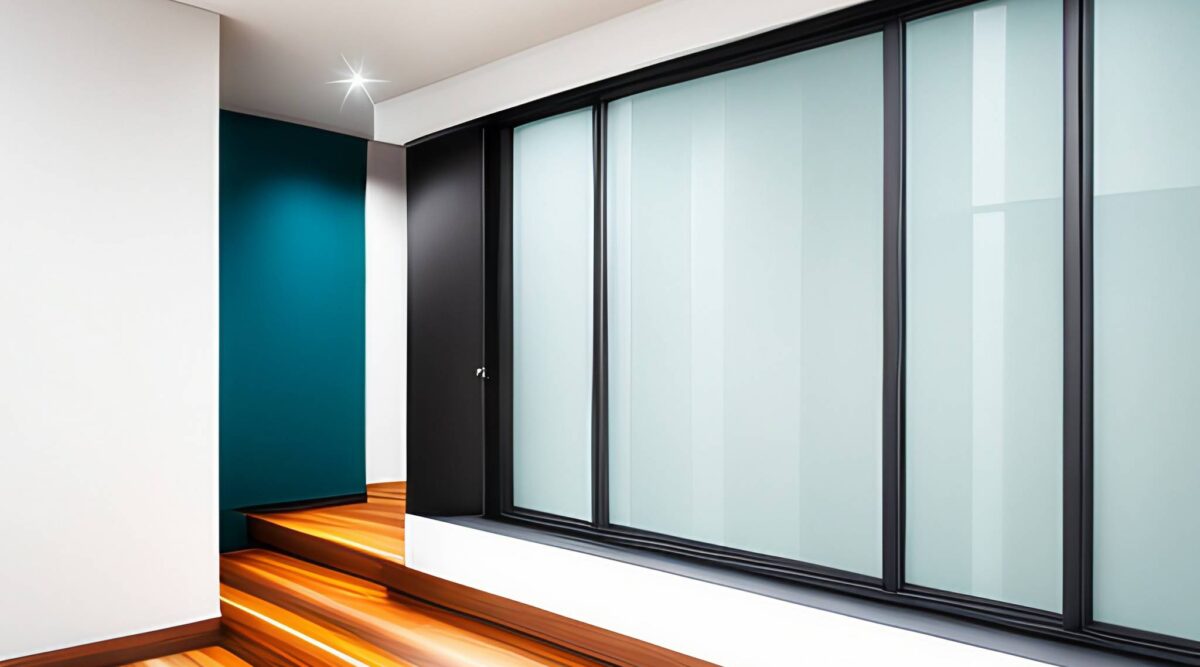
Window films are one of the most searched building upgrades for offices and businesses in Toronto and the GTA. Owners look for window films to cut glare, control heat, protect interiors, and make glass feel safer. Still, many people hit the same wall early on. They see office window film and business window film listed as separate things and wonder if they are paying for the wrong option.
This article explains how window films are used in real Toronto buildings. It breaks down office window film and business window film in simple language. The goal is to help you choose window films that fix real problems, not just sound good on paper.
Why Window Films Matter for Toronto and GTA Buildings
Toronto weather is rough on glass. Summer sun pours through windows and turns offices into ovens. Winter cold makes glass feel icy. Spring and fall bring low-angle glare that hits desks and counters at the worst times.
Window films help control these problems. They block solar heat, reduce glare, and filter UV rays before damage starts. Many window films also help reduce fading on floors, furniture, and displays.
Older buildings near Bay Street or Queen West often have large glass panels with little protection. Newer towers in Vaughan and Markham use modern glass, but glare and heat still sneak in. Window films work on both old and new glass when chosen right.
For many Toronto businesses, window films also help with energy use. When heat drops, air systems run less. That shows up on monthly bills.
Office Window Film and How It Is Used
Office window film is a type of window films used where people sit and work for long hours. These spaces include open offices, private offices, boardrooms, and meeting rooms.
Most offices face the same daily issues. Screens reflect sunlight. Desks near windows feel hotter than the rest of the room. Blinds stay closed half the day, killing daylight.
Office window film helps balance light and comfort. It cuts glare while keeping rooms bright. It lowers heat without blocking views. Many films used in offices look almost clear once installed.
A small tech office near Yonge and Eglinton called last summer after staff kept moving desks. The sun hit screens by 10 a.m. Office window film was installed on the south-facing glass. Glare dropped and people stopped shifting chairs every hour.
Privacy is another common reason offices use window films. HR rooms and boardrooms often add frosted film. This keeps meetings private without turning rooms dark.
Office window films also block most UV rays. That helps protect flooring, desks, and chairs from fading. In offices with vinyl floors or wood finishes, this adds years of life.
Common office problems window films solve
- Glare on screens
- Hot desks near windows
- Uneven room temperatures
- Light privacy needs
- UV damage to interiors
Business Window Film and Where It Fits
Business window film is a wider category of window films. It includes offices but also covers retail stores, restaurants, gyms, clinics, warehouses, and mixed-use buildings.
These spaces face different problems. Retail stores fight fading displays. Restaurants deal with heat near kitchens and front windows. Gyms need privacy without losing light. Warehouses focus on heat control more than looks.
Business window films are chosen for performance. Some are reflective. Some are thicker. Some are made to help glass stay together if it breaks.
A clothing shop in a Mississauga plaza installed business window film after window displays faded fast. After film installation, fading slowed and the space stayed cooler. The owner noticed fewer customer complaints during hot days.
Security is another reason businesses choose specific window films. Thicker safety films help hold glass together during impact. This is common for storefronts and ground-level offices across Toronto.
Privacy films also fall under business window film. Clinics and studios often use frosted or reflective films so people inside feel comfortable while daylight stays strong.
Common business uses for window films
- Heat control in large spaces
- UV protection for products
- Privacy in public-facing areas
- Added glass safety
- Lower cooling strain
Key Differences Between Office and Business Window Films
Office window film is a type of business window film. The difference is how the window films are used.
Office window films focus on comfort and glare control. Business window films focus on performance across many building types.
Office films are often lighter in shade and more subtle. Business films may be darker, reflective, or thicker.
Costs also differ. Office window films are usually thinner. Business window films made for safety or strong heat control often cost more due to material and install time.
Many Toronto buildings use both. Offices upstairs use office window films. Storefronts below use business window films.
Seasonal Window Film Issues in Toronto
Summer is when problems show up fast. Sun angles shift and heat builds up by mid-day. AC systems run longer.
Winter brings cold glass and drafts. While window films are not insulation, some help reduce radiant heat loss.
Spring and fall bring glare. Low sun hits desks and counters straight on. Window films soften that light.
This spring, a North York accounting office called after glare made screens unreadable by morning. Office window films reduced glare and staff stopped taping paper to windows.
Internal Window Film Topics That Help Decision Making
Many business owners compare window films with other options before installing. This guide on window films vs full window replacement helps explain cost and performance differences.
If privacy is a concern, this article on privacy window films shows how different film types work for offices and storefronts.
For heat control and UV protection, this breakdown of solar window films explains how solar-rated window films block heat without darkening rooms.
New Local Case Example From the GTA
A mid-size marketing firm in Vaughan installed office window films after summer cooling bills climbed. The goal was comfort, not looks. After installation, window-side desks felt cooler and AC use dropped. Staff feedback improved within weeks.
A fitness studio in Scarborough added frosted business window films for privacy. Members felt more comfortable during classes. Daylight stayed strong and no extra lighting was needed.
These results depend on choosing the right window films for how the space is used.
External Sources That Explain Window Film Performance
For energy basics related to glass and heat, Natural Resources Canada explains building energy use here: https://natural-resources.canada.ca/energy-efficiency
This short video from the U.S. Department of Energy explains how window films reduce solar heat gain: https://www.youtube.com/watch?v=ZJp9C6qJrZ8
Choosing the Right Window Films for Your Space
Start with the problem. Glare, heat, privacy, or safety.
If comfort and screen glare are the main issue, office window films often fit best. If security, fading, or large glass areas matter more, business window films offer stronger options.
Glass type matters. Old glass behaves different than newer units. A local installer will check this before suggesting film.
Looks also matter. Offices often want clear views. Retail stores may prefer reflective finishes.
Why Professional Installation Matters
Window films fail when installed poorly. Bubbles, peeling, and dust show up quick.
Professional installation helps window films last longer and perform better. It also protects glass warranties.
Many GTA businesses call for removal after bad DIY installs. That costs more in the end.
Call to Action: Talk to a Local Window Film Specialist
If you are searching for window films in Toronto or the GTA, start with a local installer who understands local buildings, sun angles, and weather shifts.
Choosing the right window films improves comfort, lowers long-term costs, and reduces daily complaints.
To get help choosing window films for your office or business, visit https://tintly.ca/ and speak with a local window film team.