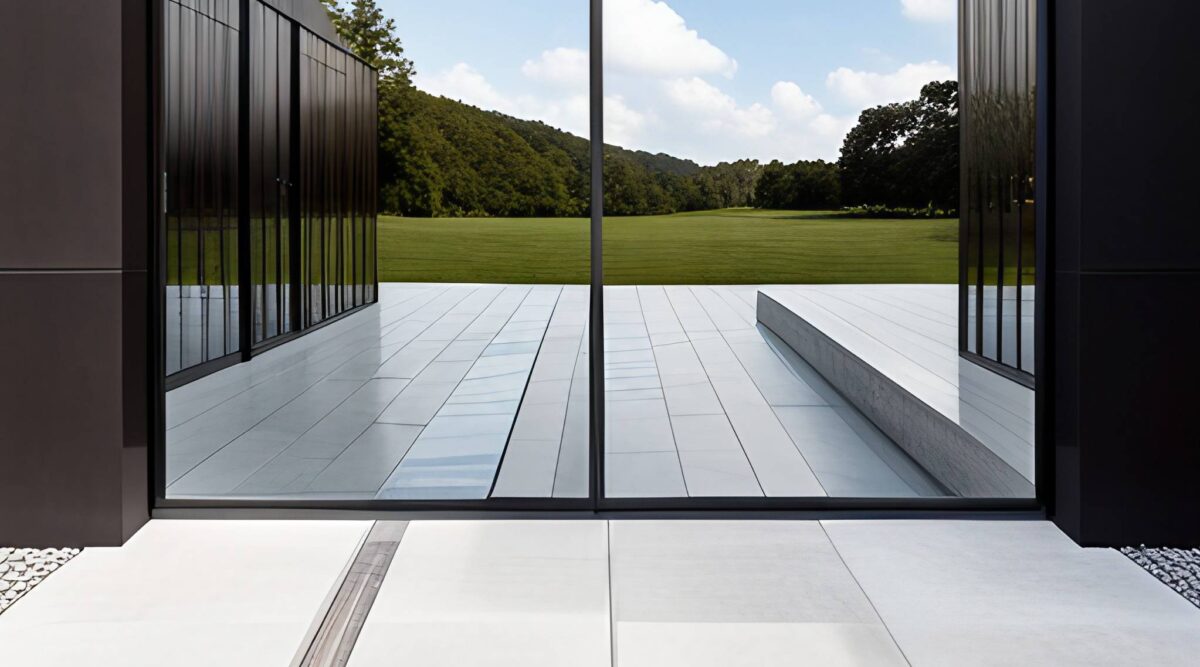
Window film is a versatile and innovative solution designed to enhance the functionality and aesthetics of any window. Whether you’re looking to improve privacy, increase energy efficiency, or add decorative elements to a space, window film offers a cost-effective and stylish option. These films have become increasingly popular in both residential and commercial settings due to their ability to provide multiple benefits simultaneously. Let’s dive into what window film is and how it can benefit homeowners and interior designers alike.
Window films are a smart investment that can transform the look and performance of windows without the need for costly replacements. They allow for creative design solutions while also addressing practical concerns, such as security and energy conservation. By understanding the various types of window films and their respective advantages, you can make an informed decision that enhances both the interior and exterior of your space.
Window film is a thin layer of material that can be applied to the surface of glass windows. It comes in various types, each designed to meet specific needs, ranging from privacy enhancement to energy conservation. The film is typically made from polyester or vinyl and is available in a wide range of colors, patterns, and finishes. This variety allows consumers to choose films that match their personal style and functional requirements.
The technology behind window films has advanced significantly, allowing for improved durability and performance. Modern films are designed to withstand environmental stresses such as UV radiation and temperature fluctuations, making them a long-lasting solution. Additionally, the ease of installation and maintenance makes window films an attractive choice for those looking to upgrade their space without extensive renovations.
There are several types of window films, each serving a unique purpose:
- Privacy Film: Designed to obscure visibility from the outside, privacy film allows natural light to filter through while keeping prying eyes at bay. It’s ideal for bathrooms, street-facing windows, or any area where privacy is a concern. These films can also be used in office spaces to create private meeting areas without sacrificing an open, airy feel.
- Decorative Film: Available in various patterns and designs, decorative films add a touch of style and personality to any room. They can mimic the look of etched glass or stained glass without the high cost. Decorative films offer an affordable way to personalize spaces, allowing for creative expression through an array of designs from subtle frosts to vibrant colors.
- Solar Control Film: This type of film helps reduce heat gain and glare from the sun, making indoor spaces more comfortable. It also protects furnishings from UV damage. By reflecting solar energy, these films help maintain a consistent indoor climate, reducing the load on air conditioning systems and contributing to energy savings.
- Security Film: A thicker option designed to hold glass together in the event of impact, security film enhances safety and security by reducing the risk of shattering. This is particularly beneficial in areas prone to natural disasters or high-security risks, as it can prevent injury and deter break-ins.
- Frosted Film: Often used for bathrooms or office spaces, frosted films provide both privacy and a modern aesthetic. They diffuse light, creating a soft, even glow that enhances the ambiance of a room while maintaining privacy.
Window film offers numerous advantages, making it an attractive choice for homeowners and interior designers. Here’s how window film can benefit you:
Privacy films are an excellent solution for maintaining confidentiality without sacrificing natural light. They are perfect for areas where you want to keep your activities hidden from view, such as bathrooms or home offices. In urban environments, where buildings are often closely situated, these films ensure that your private space remains undisturbed by outside onlookers.
Moreover, privacy films come in various opacities and designs, allowing you to achieve the level of seclusion you desire. Whether you prefer a subtle frosted look or a bold pattern, privacy films can be tailored to meet your specific aesthetic and functional needs.
Solar control films can significantly reduce energy consumption by minimizing heat transfer through windows. This means your heating and cooling systems won’t have to work as hard, leading to lower energy bills and a smaller carbon footprint. By reflecting a significant portion of solar energy, these films help maintain a stable indoor temperature, which is particularly beneficial during extreme weather conditions.
Additionally, improved energy efficiency contributes to environmental sustainability. By reducing reliance on artificial heating and cooling, window films help decrease greenhouse gas emissions, aligning with broader efforts to combat climate change.
Security films add an extra layer of protection to windows. In case of an attempted break-in or natural disaster, the film helps hold shattered glass together, reducing the risk of injury and property damage. This added security can provide peace of mind for homeowners and business owners alike, knowing that their property is better protected against unforeseen events.
These films are also beneficial for public buildings and schools, where safety is a top priority. By reinforcing glass windows, security films can mitigate the effects of accidents and enhance the overall safety of a space.
With decorative and frosted films, you can enhance the look of your windows without replacing them. These films allow for creative expression, adding elegance and style to any room. They provide a cost-effective way to update the appearance of a space, offering a fresh look without the need for extensive renovations.
Whether you want to create a striking visual statement or a subtle design accent, decorative films offer endless possibilities for customization. They can be used to complement existing decor or serve as a focal point in a room, showcasing your unique style.
Window films block up to 99% of harmful ultraviolet rays, protecting your skin and preventing fading of furnishings, flooring, and artwork. By filtering out these damaging rays, window films help preserve the longevity and vibrancy of interior elements, saving you money on replacements and repairs.
In addition to protecting your belongings, UV-blocking films contribute to a healthier indoor environment. By reducing exposure to UV radiation, these films can help prevent skin damage and associated health risks.
Installing window film is a straightforward process, but it requires precision and attention to detail to ensure a seamless finish. Here’s a step-by-step look at how window film is typically installed:
Before applying the film, the window surface must be thoroughly cleaned to remove any dirt, dust, or grease. This ensures the film adheres properly and prevents bubbles from forming. A clean surface is crucial for achieving a professional-looking finish, as any debris can disrupt the film’s adhesive properties.
Proper cleaning involves using specialized cleaning solutions and tools to ensure that all residues are eliminated. This step sets the foundation for a smooth application process and enhances the longevity of the film’s adherence.
The film is measured and cut to fit the exact dimensions of the window. Precise measurements are crucial for a perfect fit. Accurate cutting ensures that the film aligns seamlessly with the window edges, preventing any gaps or overlaps that could compromise its appearance or performance.
For intricate designs or large windows, professional installers may use specialized tools and techniques to achieve precision. This attention to detail is essential for ensuring that the final installation looks polished and functions effectively.
A soapy water solution is sprayed onto the glass to allow the film to be easily repositioned during application. The film is then carefully placed onto the glass and adjusted as needed. This step is critical for ensuring that the film adheres smoothly and can be adjusted to correct any misalignments.
The use of soapy water acts as a temporary lubricant, allowing for adjustments before the adhesive sets. This flexibility is vital for achieving a flawless finish and ensuring that the film conforms perfectly to the window surface.
A squeegee is used to smooth out the film and eliminate any air bubbles, ensuring a flawless application. This tool is essential for pressing the film firmly against the glass and removing any trapped air that could cause imperfections.
Proper technique during this step is crucial for achieving a clear, bubble-free finish. Experienced installers use a combination of pressure and angle to ensure that the film adheres evenly and securely.
Finally, any excess film is trimmed away to give a clean, polished look. This finishing touch ensures that the film’s edges are neat and aligned with the window frame, enhancing the overall aesthetic.
Trimming requires precision and a steady hand to avoid damaging the installed film. By carefully removing excess material, installers ensure that the final appearance is seamless and professional.
Selecting the appropriate window film depends on your specific needs and preferences. Consider the following factors when choosing window film:
- Purpose: Identify whether you need privacy, decorative elements, energy efficiency, security, or a combination of these features. Understanding your primary goals will guide you in selecting the most suitable film type.
- Location: Consider the location of the windows and the amount of sunlight they receive. South-facing windows may benefit more from solar control films. Additionally, the surrounding environment, such as proximity to busy streets or neighboring buildings, can influence your choice.
- Design: Choose a film that complements the interior design of the space. Decorative films offer a variety of patterns and colors to match any style. Consider how the film’s appearance will integrate with existing decor and architectural features, ensuring a cohesive look.
Window film is a practical and versatile solution for enhancing the function and appearance of windows in any home or commercial space. With a range of options available, window film can address privacy concerns, improve energy efficiency, increase security, and add decorative flair—all while being cost-effective and easy to install.
For interior designers, window film offers an opportunity to provide clients with stylish and eco-friendly solutions that enhance the overall design and comfort of a space. By incorporating window film into your design projects, you can create beautiful, functional, and energy-efficient environments that meet the diverse needs of your clients.
Whether you’re a homeowner looking to update your living space or an interior designer seeking innovative solutions, window film is a valuable addition that can transform any window into a focal point. Consider exploring the world of window films to discover how they can enhance your space today. By choosing the right window film, you can achieve a perfect balance of form and function, elevating the aesthetics and performance of your windows.