When it comes to enhancing both the aesthetics and efficiency of your home, window tinting stands as a remarkable solution. Not only does it add a sleek appearance, but it also offers an array of functional benefits such as reducing energy bills and increasing privacy. In this article, we’ll dive into the top window tints for home windows and explore how they can transform your living space.

Window tinting isn’t just about making your home look good—it’s a smart investment that can pay off in many ways.
Energy Efficiency and Cost Savings
One of the most compelling reasons to install window tinting is its ability to reduce energy consumption. By filtering out a significant portion of solar heat, window films help maintain a consistent indoor temperature, reducing the need for air conditioning during hot summer months. This translates to lower utility bills, making it an environmentally and financially savvy choice.
Enhanced Privacy and Security
Window tints can provide an additional layer of privacy for your home, keeping prying eyes at bay without sacrificing natural light. Tinted windows deter potential intruders by obscuring the view into your home, enhancing security.
UV Protection
Harmful UV rays can damage your furniture, flooring, and artwork over time. Window tints block up to 99% of these rays, preserving the integrity of your interior furnishings and protecting your skin from long-term sun exposure while indoors.
Types of Window Tints

Choosing the right window tint involves understanding the different types available and what each offers. Here are some popular options to consider:
Ceramic Window Tints
Ceramic window tints are known for their durability and excellent performance. They are non-metallic, which means they do not interfere with electronic devices or signal reception. These tints offer superior heat and UV ray rejection and are often considered the premium choice for homeowners looking for top-notch performance.
Dyed Window Tints
If you’re looking for an economical option, dyed window tints are a great choice. They are made by placing a layer of dye between an adhesive layer and a protective top coating. While they may not offer the same level of heat rejection as ceramic tints, they provide good glare reduction and privacy.
Metalized Window Tints
Metalized window tints contain tiny metallic particles that reflect heat and light. They are highly effective at reducing heat and glare but may interfere with electronic devices. These tints are durable and provide a shiny appearance, which can enhance the modern aesthetic of your home.
Hybrid Window Tints
Hybrid window tints combine dyes and metallic particles to offer a balance between performance and appearance. They provide good heat rejection, UV protection, and glare reduction without the metallic sheen.
How to Choose the Right Tint for Your Home
Selecting the right tint for your home involves considering several factors, including your specific needs and preferences. Here are some tips to guide your decision:
Assess Your Needs
Consider what you want to achieve with window tinting. Are you looking to improve energy efficiency, enhance privacy, or protect your interiors from UV damage? Understanding your primary goal will help narrow down your options.
Consider Aesthetic Preferences
Window tints come in various shades and finishes. Choose a tint that complements your home’s style and enhances its curb appeal. Whether you prefer a subtle look or a more reflective finish, there’s a tint to match your taste.
Evaluate Performance
Examine the heat and UV rejection rates of different tints. A higher rejection rate indicates better performance in terms of energy savings and UV protection.
Consult a Professional
While DIY installations are possible, consulting a professional can ensure optimal results. Experts can assess your home’s unique requirements and recommend the best tinting solution, ensuring quality installation and maximizing the benefits of your investment.
Installation Process and Considerations

by Laurence Ziegler (https://unsplash.com/@laurenceziegler)
Whether you choose to install window tints yourself or hire a professional, understanding the installation process and considerations is crucial for achieving the best results.
DIY Installation
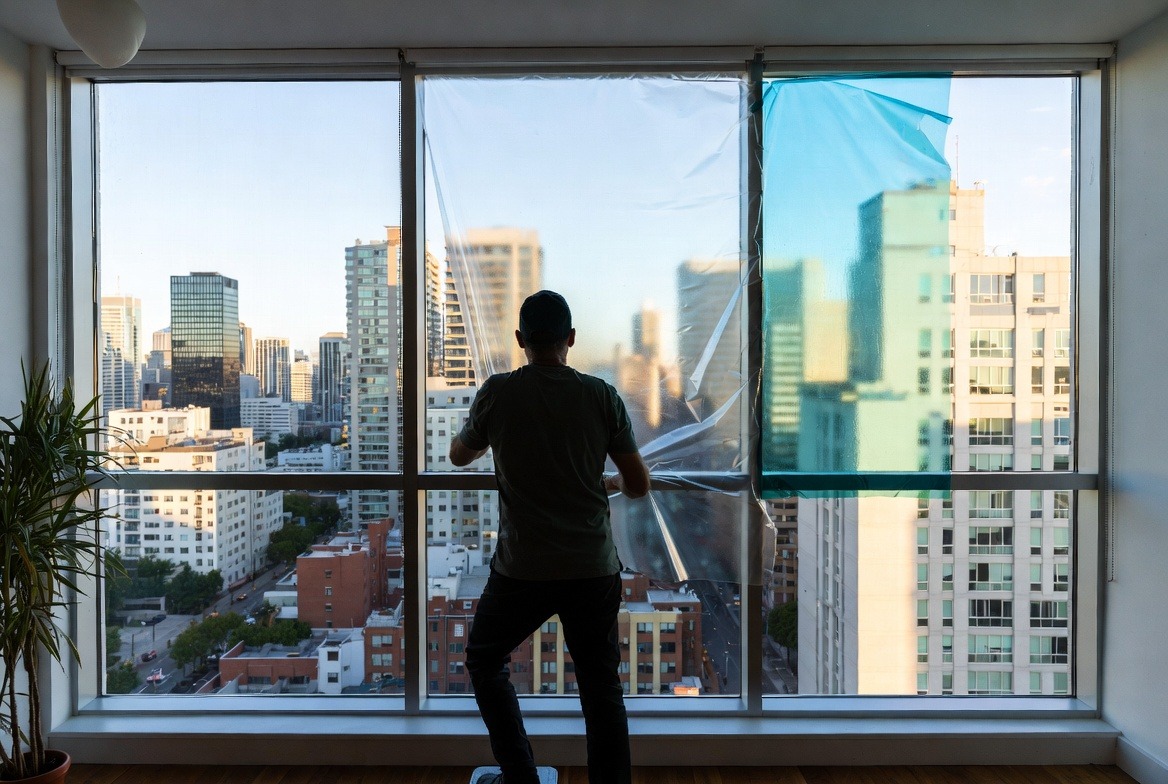
For the handy homeowner, DIY window tinting kits are available at major retailers like Home Depot. These kits usually include pre-cut films, application tools, and instructions. While this option can save money, precise application is essential to avoid bubbles and ensure a smooth finish.
Professional Installation
Hiring a professional installer guarantees a flawless finish with minimal hassle. Professionals have the experience and tools necessary to handle any challenges that may arise during installation. Additionally, many offer warranties, providing peace of mind and protection for your investment.
Maintenance Tips
Maintaining your window tints involves regular cleaning with non-abrasive solutions and soft cloths. Avoid using ammonia-based cleaners, as they can degrade the film over time. Proper care will keep your tints looking great and performing well for years.
Conclusion
Investing in high-quality window tints for your home is a decision that offers a multitude of benefits, from energy efficiency and cost savings to enhanced privacy and protection against UV rays. With various types of tints available, you can find the perfect solution to suit your needs and aesthetic preferences.
By choosing the right window tint and ensuring proper installation, you’re not only enhancing the look of your home but also contributing to a more sustainable and comfortable living environment. Whether you opt for a DIY approach or hire a professional, window tinting is a smart investment in your home’s future.
So, if you’re ready to transform your living space with the top window tints for home windows, start by assessing your needs and exploring the options available. Your home—and your wallet—will thank you.“`