Categories
Window Films & Tinting

What Are Retail Storefront Privacy Solutions Using Window Films?

Window films are one of the most used storefront upgrades in Toronto, even though many shop owners don’t call them that. They usually say the glass feels wrong. Too open. Too visible. Too bright. Or exposed after dark.

Retail storefront privacy solutions using window films help control what people see through large glass fronts without blocking light or changing the windows themselves. The film installs directly on the glass. No frames. No blinds. No bulky fixtures.

Across Toronto and the GTA, many retail spaces use floor-to-ceiling glass. It looks great during the day. At night, or during long winter evenings, it turns into a display box. Staff movement. Cash areas. Storage doors. High-value products.

Window films manage visibility, comfort, glare, and privacy in one move. This guide explains how storefront window films work, why local businesses rely on them, and how different film types solve real problems on Toronto streets.

How Window Films Solve Storefront Privacy Problems in Toronto

Most retailers don’t plan for window films. They react when problems repeat.

One common issue is night visibility. When it’s dark outside and lights stay on inside, people can see everything. A vape shop near Bloor and Lansdowne called last winter after noticing the same faces stopping outside every night. Nothing happened, but the pattern felt off. After installing privacy window films along the lower glass, the lingering stopped.

Customer comfort is another issue. In clinics, salons, and specialty shops, people don’t like being watched from the sidewalk. This comes up often in Yorkville and Leslieville. Customers rush. Visits get shorter.

Window films soften that feeling. They block direct sightlines while keeping the store bright.

Sun glare is another daily problem. Large storefront windows bring glare year-round. Screens wash out. Displays fade. Window films reduce glare and help manage heat while still allowing daylight inside.

Retailers also use window films to control layout. Films guide sightlines so customers focus on displays instead of back counters or staff areas.

Types of Window Films Used for Retail Storefronts

Not all window films work the same way. Choosing the wrong type causes frustration. This happens often with DIY rolls that peel within days.

Frosted Window Films

Frosted window films blur views while letting light pass through. They work day and night. Clinics, salons, and boutiques use them most. Coverage can be full glass or partial.

For a simple explanation, this guide explains what is frosted window film in plain language.

One-Way or Reflective Window Films

These window films work best during the day. When outside light is stronger, people can’t see in. At night, the effect changes if interior lights are brighter.

Decorative Window Films

Decorative window films include patterns, stripes, gradients, or logos. They add privacy and structure. These are common in newer retail spaces in Vaughan and Markham.

Window Films That Add Privacy and Heat Control

Some window films reduce glare, heat, and UV exposure while adding privacy. South-facing storefronts near open plazas use these often.

This article explains solar window films in a simple way.

Why Local Retailers Choose Professional Window Film Installation

Retail storefront window films are not a DIY job. Glass types vary. Storefronts are rarely square. Older buildings shift. New glass coatings react differently.

A storefront in Old Toronto behaves very differently from a new Mississauga plaza. The same film can perform differently on each.

Install timing matters. Many installs happen early morning or after closing. Local installers understand retail hours and foot traffic.

Leases and city rules also matter. Some storefronts limit how much glass can be covered. A local installer helps plan coverage that looks right.

If you’re weighing options, this breakdown of DIY window films vs professional installation explains why professional work lasts longer.

Window Films vs Replacing Storefront Glass

Some retailers ask if replacing glass is better. In most cases, it isn’t.

Window replacement costs more, takes longer, and often needs permits. It still does not fix glare or privacy without added treatments.

Window films solve visibility issues faster and with less downtime.

This comparison explains the benefits of choosing window films over replacements.

New Local Examples From High-Traffic Areas

A gift shop near St. Lawrence Market installed frosted window films along the lower storefront. Tourists often watched staff pack orders and handle cash. After the install, customers stayed longer and staff felt calmer.

A barbershop in Scarborough near a bus stop added decorative window films with light frosting. Customers relaxed more during appointments. The shop stayed visible. The issue stopped.

Seasonal Issues That Make Window Films Useful in Toronto

Toronto winters bring early darkness. Interior lights turn on by late afternoon. Visibility from outside increases fast.

Summer brings glare and heat. Sun angles hit storefronts directly. Displays fade faster.

Window films help year-round. They manage light in summer and privacy in winter.

For general background, this overview on window films explains the basics.

Are Window Films Worth It for Retail Storefronts?

Yes. They remove daily friction.

Retailers report calmer spaces. Staff feel less watched. Customers stay longer. Glare drops.

Window films work quietly. In Toronto, where visibility, comfort, and security all matter, that matters.

If your storefront glass feels like a problem instead of a feature, window films are usually the answer.

Health Canada explains why managing sunlight matters indoors on their UV exposure page.

Quick Answers: Storefront Window Films

Window films install directly on existing storefront glass.

They manage privacy, glare, and comfort without blocking light.

Most films are removable and lease-friendly.

Professional installation improves appearance and lifespan.

Different films work better for day use, night use, or both.

If you run a retail space in Toronto, North York, Scarborough, Etobicoke, Vaughan, Markham, Richmond Hill, Mississauga, or Brampton, start with one question.

What do you want people to stop seeing?

The answer usually points to the right window film quickly.

Categories
Window Films & Tinting

Privacy Window Film vs Blinds vs Curtains: Which Window Films Work Best for Canadian Homes?

Window films are now one of the most searched privacy solutions in Toronto and the GTA. Homeowners want light, privacy, and comfort without closing blinds all day. Condo owners want privacy without breaking condo rules. Store owners want people to see displays, not inside staff rooms. That’s why more people now compare window films vs blinds vs curtains before changing anything.

In Toronto, this comes up a lot in winter and summer. Winter nights make windows feel exposed. Summer sun makes rooms hot and bright. Blinds and curtains fix one issue but create another. Window films sit in the middle. They stay on the glass and work all day.

This article compares window films, blinds, and curtains using real Toronto examples. No hype. Just how these options actually work in homes, condos, and street-facing spaces.

Window Films for Privacy and Everyday Use

Window films are thin layers installed on the inside of glass. They do not replace windows. They change how light and visibility work. Some films blur views. Some frost glass. Some allow one-way visibility during the day.

In the GTA, window films are common in condos near Yonge Street, Queen West, Liberty Village, and ground-floor townhomes in Scarborough and Etobicoke. Buildings are closer now. Windows are larger. Privacy matters more.

Most privacy window films still allow daylight. That is the main reason people choose them. You do not need to open or close anything. You clean the glass like normal.

If you want a simple overview of how window films work, this page explains the basics clearly: Introduction to Window Films: Understanding the Basics

Local example: A condo owner near Harbourfront installed frosted window film on a street-facing bedroom. Curtains stayed open all day after install. Before film, the room stayed dark until evening. After film, daylight came back and privacy stayed.

Window films work well in:

  • Condo living rooms
  • Bathrooms
  • Glass office walls
  • Storefront side windows
  • Front doors with glass panels

Blinds and Why People Still Use Them

Blinds are familiar. Many GTA homes already have them. They tilt. They open. They close. That control is why people keep them.

Blinds work best when privacy is only needed sometimes, mostly at night. During the day, many people tilt them to let light in.

Blinds have downsides. They block light when closed. They collect dust fast. Cords break. Slats bend. In condos along King Street and downtown cores, many blinds stay closed all day. That kills daylight.

Curtains and the Comfort Factor

Curtains add warmth and soften rooms. Bedrooms and older Toronto homes use them often.

Curtains give full privacy only when closed. Sheer curtains still show outlines at night. Heavy curtains block light and views.

Curtains need care. Dust builds up. Washing takes time. Fabric fades from sun. In condos with floor-to-ceiling glass, curtains often stay closed because the space feels exposed.

Window Films vs Blinds vs Curtains in Real Homes

Most people choose based on daily habits.

Window films work all day without effort. Blinds and curtains need action.

  • Privacy during the day: Window films stay private, blinds and curtains do not unless closed
  • Natural light: Window films keep rooms bright
  • Maintenance: Window films need only glass cleaning
  • Condos: Window films are usually allowed
  • Long-term use: Window films last longer than fabric or hardware

For privacy-focused details, see: What Are Window Films for Privacy?

Seasonal Problems in Toronto Homes

Toronto weather affects privacy choices.

Winter brings early darkness. Interior lights turn windows into mirrors. Window films reduce visibility without closing blinds at 4 pm.

Summer brings glare and heat. Blinds block light but trap heat. Many window films reduce glare while keeping rooms usable.

Local case: A Leslieville retail shop added clear privacy window film to side windows facing a laneway. Staff complained about glare and people staring inside. After install, glare dropped and the space stayed bright.

Cost and Long-Term Value

Blinds and curtains look cheaper at first. Over time, replacements add up.

Window films cost more upfront but last longer. Most residential films last 10 to 15 years.

For pricing details, read: How Much Does It Cost to Install Window Film?

Window films also avoid window replacement costs. This comparison explains why: Benefits of Choosing Window Films Over Replacements

Installation Quality Matters

Poor installs cause bubbles, dirt, and peeling edges. Many DIY jobs fail after one winter.

A professional window tinting service understands glass types, condo rules, and winter install limits.

Before installing, review: Key Considerations When Installing Window Films

Industry standards: International Window Film Association – Before You Buy

Local Experience Makes a Difference

Toronto homes differ in glass type, exposure, and rules.

That’s why many GTA homeowners work with Tintly Window Films. We install window films across Toronto, Mississauga, Markham, and surrounding areas.

So Which Option Works Best?

If you want privacy without closing your home off, window films usually work best.

Blinds and curtains still fit bedrooms and style-first rooms. For everyday living in Toronto homes, window films solve more problems with less effort.

Quick Questions People Ask

Do window films make rooms dark?
Most window films keep daylight. Darkness depends on film type.

Do window films work at night?
Frosted films work day and night. One-way films work best in daylight.

Are window films allowed in condos?
Most condos allow interior window films.

How long do window films last?
Most residential films last 10 to 15 years.

Are window films better than blinds?
For constant privacy with light, yes.

Categories
Window Films & Tinting

Expert Advice on 30 Vlt Window Tint

Window tinting process

30 VLT window tint refers to the percentage of visible light that can pass through the window film. With a 30% VLT, the tint allows 30% of visible light to enter, offering a moderate level of darkness. This makes it an excellent option for those who want to maintain visibility while still gaining the benefits of window tinting. By allowing a reasonable amount of light through, 30 VLT tint provides a comfortable environment without making the space feel too closed off, which is particularly important for those who spend long periods in their cars or homes.

The moderate darkness of the 30 VLT tint makes it versatile for various settings, whether it’s for a sleek vehicle look or a more private home atmosphere. Furthermore, this type of tint can also protect against the sun’s harmful effects without overly darkening the windows, maintaining a natural appearance. This balance is crucial for those who want to enjoy the benefits of tinting without compromising on aesthetics or functionality.

Benefits of 30 VLT Window Tint

Choosing a 30 VLT window tint brings several advantages:

  1. UV Protection: It blocks harmful ultraviolet rays, protecting your skin and reducing the risk of fading to your car’s interior or home furnishings. This protection is particularly beneficial in sunny climates, where prolonged exposure can lead to significant damage over time. By acting as a shield, the tint helps maintain the quality and appearance of your belongings.
  2. Glare Reduction: This tint significantly minimizes glare from the sun, making driving or relaxing at home more comfortable. Reduced glare is essential for safety, particularly in driving scenarios where reflections can impair vision. In homes, less glare means you can enjoy natural light without the discomfort or strain on your eyes, making spaces more welcoming and functional.
  3. Enhanced Privacy: While not as dark as lower VLT tints, it still offers a level of privacy by obscuring the view from outside. This is particularly useful in urban settings where homes are close together or for vehicles parked in busy areas. The added privacy can help deter potential intruders by making it less obvious what’s inside.
  4. Temperature Control: It helps in controlling the temperature within your space, reducing the reliance on air conditioning and leading to energy savings. This can be particularly beneficial during the warmer months when air conditioning can significantly drive up energy bills. By helping to maintain a consistent internal temperature, the tint reduces the workload on cooling systems, thus extending their lifespan.

Applications of 30 VLT Window Tint

Automotive Window Tinting

For car owners, 30 VLT is a popular choice for automotive window tinting. It strikes a balance between aesthetics and functionality, improving the look of your vehicle while enhancing comfort and protection. The tint also adds a layer of protection against potential theft by obscuring the view of valuables left inside the car. Moreover, the sleek appearance it provides can increase the vehicle’s resale value by keeping the interior in better condition over time.

Why Choose 30 VLT for Your Car?

  • Balanced Look: Provides a sleek and sophisticated appearance without being too dark. This subtle enhancement can complement any car color or style, making it a versatile choice for all types of vehicles. It’s a great way to personalize your car without making drastic changes.
  • Improved Comfort: Reduces heat buildup inside the car, ensuring a cooler ride. This is especially valuable during summer or in regions with hot climates, making journeys more pleasant and reducing driver fatigue. Additionally, a cooler interior means less reliance on air conditioning, which can improve fuel efficiency.
  • Legal Compliance: Many regions have laws regulating window tint darkness. A 30 VLT often complies with these regulations, but it’s crucial to check local laws. Staying within legal limits avoids fines and ensures that your vehicle is safe and roadworthy. Compliance also ensures that visibility is not compromised, maintaining safety for both the driver and other road users.

Home Window Tinting

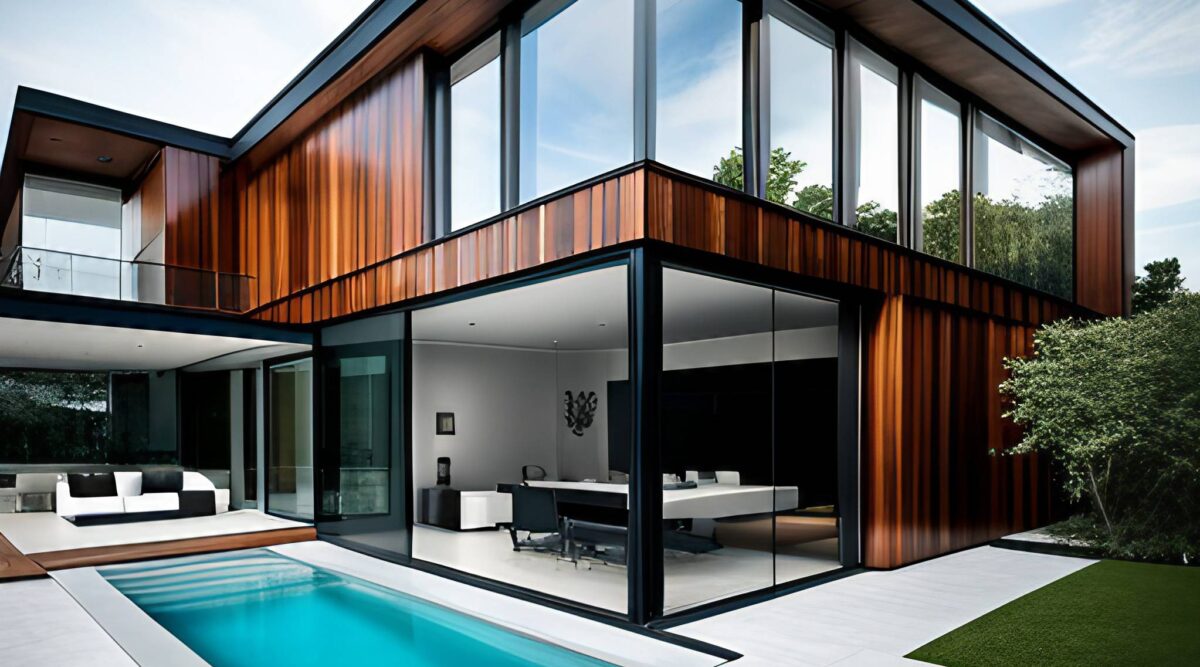
Modern home with tinted windows

In residential settings, 30 VLT window tint is an excellent choice for living rooms, kitchens, and other areas where you want to enjoy natural light without sacrificing privacy or energy efficiency. The tint helps create a comfortable living environment by reducing harsh sunlight and heat entering your home. It also adds a level of sophistication to the home’s exterior, enhancing curb appeal.

Benefits for Homeowners

  • Energy Savings: By reducing heat gain, it lowers cooling costs during hot months. This energy efficiency can significantly reduce utility bills, offering long-term savings. The tint acts as an additional layer of insulation, keeping homes cooler in the summer and potentially warmer in the winter by reducing heat loss.
  • Enhanced Aesthetics: Complements modern interior designs with its neutral yet stylish appearance. The tint blends well with contemporary architecture and can be a subtle yet impactful design choice. It enhances the ambiance of a room by softening the natural light, creating a warm and inviting atmosphere.
  • Protection for Interiors: Prolongs the lifespan of furniture and flooring by minimizing sun damage. Over time, UV rays can cause significant fading and deterioration of home interiors. By blocking these rays, the tint helps preserve the original beauty and value of your furnishings, making it a wise investment.

Installation Tips for 30 VLT Window Tint

Proper installation is key to maximizing the benefits of your window tint. Whether you’re considering a DIY project or hiring a professional, here are some essential tips.

DIY Installation

If you choose to install window tint yourself, follow these steps for the best results:

  1. Clean the Windows: Ensure that the windows are thoroughly cleaned and free of dust or debris. Any dirt left on the window can cause bubbles or imperfections in the tint application. A spotless surface ensures a smooth and long-lasting installation.
  2. Cut the Film: Measure the window and cut the film to size, allowing a small margin for adjustments. Precise cutting is crucial to avoid wastage and ensure a snug fit. Always use a sharp blade for clean cuts.
  3. Apply the Film: Use a solution of soapy water to help position the film on the window, then smooth it out with a squeegee to remove bubbles. The soapy water allows for easy adjustments, ensuring perfect alignment before the film sets. Be thorough with the squeegee to achieve a professional finish.
  4. Trim Excess Film: Carefully trim any excess film using a sharp blade for a clean edge. This final step ensures that the tint looks neat and adheres properly around the edges. Take your time to avoid damaging the film or the window.

Professional Installation

Professional installing window tint

by Паша Грановский (https://unsplash.com/@ad_honores)

For those who prefer a flawless finish, hiring a professional is the way to go. Professional installers have the experience and tools necessary to ensure a perfect fit and finish. They can tackle difficult window shapes and sizes, ensuring that the tint is applied without creases or air bubbles. This expertise is particularly valuable for large or complex installations.

Advantages of Hiring a Professional

  • Expertise: Professionals have the skill to handle complex window shapes and sizes. They are trained to deal with any challenges that may arise during the installation process, ensuring a high-quality result. Their experience can prevent common DIY mistakes that might lead to costly reapplications.
  • Time-Saving: A pro can complete the installation faster and more efficiently. They have the necessary tools and techniques to expedite the process without compromising on quality. This efficiency means less disruption to your day, allowing you to enjoy the benefits of your new tint sooner.
  • Warranty: Many professional services offer warranties, providing peace of mind. A warranty guarantees that if something goes wrong with the tint, it will be repaired or replaced at no extra cost. This assurance is invaluable, especially when investing in a product meant to last for years.

Maintaining Your 30 VLT Window Tint

Once your window tint is installed, proper maintenance will ensure its longevity and performance. Regular upkeep can prevent issues such as peeling or bubbling and maintain the tint’s effectiveness.

Cleaning Tips

  • Use Mild Cleaners: Avoid harsh chemicals or abrasive materials that can damage the film. Opt for cleaning solutions specifically designed for tinted windows to ensure they remain in top condition. Gentle cleaning prolongs the life of the tint and keeps it looking new.
  • Soft Cloths: Use soft, lint-free cloths to clean the windows, preventing scratches. Microfiber cloths are an excellent choice as they effectively clean without leaving residue. Regular cleaning with the right materials ensures clarity and performance.
  • Avoid Ammonia: Steer clear of ammonia-based cleaners, as they can deteriorate the tint. Ammonia can break down the adhesive and cause the tint to peel over time. Always check cleaner labels to ensure they are safe for tinted windows.

Regular Inspections

Periodically inspect your tint for signs of peeling or bubbling. Addressing these issues early can prevent further damage and prolong the life of the tint. Regular checks can catch small problems before they escalate, ensuring your tint remains effective and visually appealing.

Conclusion

30 VLT window tint is a versatile and effective solution for both automotive and residential applications. It offers a balance of visibility, protection, and style, making it a favored choice among car owners and homeowners alike. Whether you’re looking to enhance your vehicle’s appearance or improve your home’s energy efficiency, 30 VLT window tint provides a reliable and aesthetically pleasing option.

By following our expert advice on installation and maintenance, you can enjoy the benefits of your window tint for years to come. For those seeking professional results, consider hiring an experienced installer to ensure the best outcome. Embrace the advantages of 30 VLT window tint and transform your space with enhanced comfort and style. With the right care and installation, this tint can be a valuable addition to your car or home, offering both practical and aesthetic benefits.

Categories
Window Films & Tinting

Install Home Window Tinting

In today’s world, homeowners are increasingly seeking ways to enhance the comfort and efficiency of their living spaces. One effective solution that has gained popularity is home window tinting. Not only does it offer aesthetic appeal, but it also provides significant functional benefits. If you’re an interior designer looking to offer your clients stylish, eco-friendly solutions, understanding the advantages of residential window tint can be a game-changer.

Modern home with tinted windows

Home window tinting involves applying a thin film to the interior side of windows. This film is designed to reduce heat, glare, and UV radiation entering through the glass, providing a comfortable living environment. Available in various shades and finishes, window tint can complement any interior style while offering practical benefits.

The Benefits of Installing Home Window Tinting

Improved Energy Efficiency

One of the primary benefits of home window tinting is its ability to enhance energy efficiency. By blocking a significant portion of solar heat, tinted windows can reduce the need for air conditioning during hot months, leading to lower energy bills. This feature is particularly appealing to eco-conscious homeowners who aim to minimize their carbon footprint.

UV Protection

Home interior with sun protection

Exposure to ultraviolet (UV) rays can be harmful to both your health and your home’s interior. Over time, UV rays can cause furniture, flooring, and artwork to fade. Home window tinting acts as a barrier against these rays, preserving the quality and longevity of your interior furnishings while protecting your skin from harmful effects.

Glare Reduction

Glare from the sun can be an annoying problem, especially when it disrupts activities like watching TV or working on a computer. Window tinting significantly reduces glare, enhancing the comfort of your living space and making it more conducive to daily activities.

Enhanced Privacy and Security

Tinted windows offer increased privacy by limiting the view into your home from the outside. This is particularly beneficial for homes located in busy areas or close to neighboring properties. Additionally, certain types of window films can strengthen the glass, making it more resistant to shattering and thus enhancing security.

Choosing the Right Window Tint

When it comes to selecting the right window tint for a home, there are several factors to consider. The choice of film can significantly impact both the aesthetics and functionality of the space.

Types of Window Films

  1. Solar Control Films: These are designed primarily to reduce heat and glare. They are ideal for rooms that receive a lot of direct sunlight.
  2. Decorative Films: Available in various patterns and colors, these films add a decorative touch to windows while still providing some level of privacy and UV protection.
  3. Security Films: Thicker and more durable, these films are designed to hold the glass together in case of an impact, providing an added layer of security.
  4. Privacy Films: These films are opaque or frosted to prevent outsiders from seeing inside. They are perfect for bathrooms or street-facing windows.

Color and Finish Options

Window tints come in various shades, from clear to dark, and in different finishes like matte or reflective. The choice depends on the desired level of privacy and the aesthetic style of the home.

The Installation Process

Professional installing window tint

by Sinziana Mihalache (https://unsplash.com/@sinzianamihalache)

Proper installation of window tint is crucial to its performance and longevity. While some homeowners may attempt DIY installations, it’s often best to hire a professional to ensure a flawless finish.

Professional vs. DIY Installation

  • Professional Installation: Professionals have the expertise and tools necessary to apply the film smoothly without bubbles or creases. They can also offer warranties on their work, providing peace of mind.
  • DIY Installation: While it may save money upfront, DIY installation carries the risk of errors that can reduce the film’s effectiveness and lifespan. It requires careful preparation and a meticulous approach to avoid common pitfalls.

Steps Involved in Installation

  1. Cleaning the Windows: The window surface must be thoroughly cleaned to remove any dust or debris that could cause imperfections in the film.
  2. Cutting the Film: The film is cut to size, slightly larger than the window to allow for adjustments during application.
  3. Applying the Film: The film is carefully applied to the window, using a squeegee to remove air bubbles and ensure a smooth finish.
  4. Trimming Excess Film: Any excess film is trimmed away for a perfect fit.
  5. Final Inspection: The installation is inspected to ensure there are no defects or bubbles.

Cost Considerations

The cost of home window tinting varies based on several factors, including the type of film chosen, the size and number of windows, and whether the installation is professional or DIY. Generally, decorative and security films tend to be more expensive than basic solar control films. However, the long-term energy savings and protection benefits often offset the initial investment.

Conclusion

Home window tinting is a practical and stylish solution for enhancing the comfort and efficiency of living spaces. For interior designers, recommending window tinting to clients can meet the dual goals of aesthetics and functionality, making it an ideal addition to any project focused on eco-friendly and cost-effective home improvements.

By understanding the types of window films available and the installation process, you can guide your clients in making informed decisions that align with their needs and lifestyle. Whether for energy savings, UV protection, or enhanced privacy, home window tinting offers a versatile solution that adds value and appeal to any home.

Categories
Window Films & Tinting

What Is Frosted Window Film?

Window films are one of the most searched home upgrades in Toronto right now, and frosted window film keeps showing up at the top of that list. Homeowners want privacy. They want light. They want something that works year round in the GTA climate. Frosted window film checks all of those boxes without changing the glass itself.

In Toronto homes, bathrooms and entryways cause the most privacy stress. Older houses in areas like East York, Riverdale, and The Junction often have windows close to neighbours. Condos downtown face walkways and laneways. Once the lights turn on at night, the whole room feels exposed. Window films solve that problem without curtains or blinds.

This guide explains how frosted window film works, why it is used so often in bathrooms and entryways, and how it fits into the larger world of window films. No hype. Just clear info based on real installs across Toronto and the GTA.

What Frosted Window Film Is and How It Fits Into Window Films

Frosted window film is a type of privacy film applied to existing glass. It creates a soft, etched look. Light passes through. Clear views do not. Shapes blur. Details disappear.

Within the window films category, frosted film sits under privacy films. It is different from tinted films that darken glass. It is also different from mirror films that rely on light balance. Frosted film works the same day and night.

Bathrooms are the most common use. Entryways come next. These are spaces where people want privacy all the time, not just sometimes. Curtains get wet. Blinds get dusty. Window films stay put.

In Toronto semi-detached homes, bathroom windows often face another bathroom window. We see this a lot in older brick houses near Pape and Danforth. Frosted film blocks those sight lines without turning the room dark.

Entryways have a similar issue. Front doors with glass inserts look great from the street. At night, indoor lighting flips the view. Anyone walking past sees straight inside. Frosted window film blocks that view while keeping daylight during the day.

If you want a broad overview of how this fits into all window films, this page helps explain the basics: window films.

How Frosted Window Film Works on Glass in Real Homes

Frosted window film works by diffusing light. Light hits the film and spreads out. It does not travel straight through. This removes sharp outlines and clear shapes.

The film has a matte surface. Once installed, it bonds flat to the glass. There is no texture buildup. When done right, it looks like the glass was frosted at the factory.

Bathrooms test window films harder than most rooms. Steam builds up fast. Temperature changes happen daily. Quality frosted privacy film is made for this. When installed correctly, it does not bubble or peel.

A case we see often is basement bathrooms in Scarborough rentals. Windows sit at sidewalk level. Frosted window film blocks eye-level views from outside while still letting daylight in. Landlords like it because it installs fast and removes clean later.

Entryways have different stress points. Sun exposure. Door movement. Cold air in winter. Heat in summer. Frosted film designed for residential use handles this without yellowing.

Cleaning stays simple. Mild soap. Soft cloth. No blades. Treat it like glass and it lasts.

Frosted Film Compared to Curtains, Blinds, and Glass Replacement

Most homeowners compare frosted window film to curtains, blinds, or glass replacement.

Curtains block light and trap moisture. In bathrooms they grow mould fast. Blinds work but feel out of place on doors. They also break and collect dust.

Replacing glass with etched panels looks nice but costs more. In Toronto, door glass replacement often triggers condo approvals or permit questions. Timelines stretch. Budgets grow.

Window films avoid that. Frosted film installs on existing glass. No removal. No construction.

If you are stuck choosing between film and replacement, this breakdown explains the difference clearly: window film vs full window replacement.

Most GTA homeowners choose frosted window film because privacy works all day, light stays consistent, and resale stays flexible.

Where Frosted Privacy Film Works Best in Bathrooms and Entryways

Not every window needs frosted film. Placement matters.

Bathrooms usually benefit from frosted film on exterior windows, basement windows, and clear shower glass. Basement bathrooms are common in Toronto duplexes. Frosted film blocks street views without blocking light.

Entryways work well with frosted film on door glass inserts and sidelights. Some people frost only the lower half of the glass. Others frost the full panel. Both approaches work depending on layout.

A recent install in Mississauga involved a townhome stairwell facing a shared hallway. Frosted privacy film fixed the issue without blinds. Light stayed. Privacy returned.

For homeowners who want patterns or partial coverage, custom designs exist. This article explains those options well: custom window films.

Installation Quality Matters More Than the Film Itself

Frosted window film looks simple. Installation is not.

Dust under film shows fast. Crooked edges stand out. Poor prep ruins the look.

Professional window film installers focus on glass cleaning, tight cuts, and controlled install conditions. Toronto weather matters here. Winter humidity and summer heat change how film sets.

DIY kits fail most often in January. We see edges lift after freeze-thaw cycles. Bathrooms make it worse.

If you are weighing DIY versus pro work, this article explains the trade-offs clearly: DIY vs professional window film installation.

For prep basics, this guide covers what installers actually look for before applying film: key considerations when installing window films.

Seasonal Reality of Window Films in Toronto

Toronto winters shorten daylight hours. Frosted window film helps keep bathrooms bright without sacrificing privacy.

In summer, harsh glare through bathroom windows becomes uncomfortable. Frosted film softens that light.

Spring and fall bring moisture swings. Quality window films handle this without lifting.

This is why frosted privacy film works year round in the GTA.

Is Frosted Window Film Worth It for Toronto Homes?

Most people stop thinking about privacy once it is installed. That is the goal.

Bathrooms feel calmer. Entryways feel less exposed. No cords. No fabric. No daily adjusting.

Frosted window film is one of the simplest upgrades in the window films category. It solves a real problem without changing how the space functions.

If privacy is the issue, frosted film usually fixes it with the least effort.

Helpful external resources for deeper reading:

For Toronto homes and small businesses, window films like frosted privacy film remain one of the most practical fixes for everyday privacy problems.

Categories
Window Films & Tinting

Install Home Window Tinting

In today’s world, homeowners are increasingly seeking ways to enhance the comfort and efficiency of their living spaces. One effective solution that has gained popularity is home window tinting. Not only does it offer aesthetic appeal, but it also provides significant functional benefits. If you’re an interior designer looking to offer your clients stylish, eco-friendly solutions, understanding the advantages of residential window tint can be a game-changer.

Modern home with tinted windows

Home window tinting involves applying a thin film to the interior side of windows. This film is designed to reduce heat, glare, and UV radiation entering through the glass, providing a comfortable living environment. Available in various shades and finishes, window tint can complement any interior style while offering practical benefits.

The Benefits of Installing Home Window Tinting

Improved Energy Efficiency

One of the primary benefits of home window tinting is its ability to enhance energy efficiency. By blocking a significant portion of solar heat, tinted windows can reduce the need for air conditioning during hot months, leading to lower energy bills. This feature is particularly appealing to eco-conscious homeowners who aim to minimize their carbon footprint.

UV Protection

Home interior with sun protection

Exposure to ultraviolet (UV) rays can be harmful to both your health and your home’s interior. Over time, UV rays can cause furniture, flooring, and artwork to fade. Home window tinting acts as a barrier against these rays, preserving the quality and longevity of your interior furnishings while protecting your skin from harmful effects.

Glare Reduction

Glare from the sun can be an annoying problem, especially when it disrupts activities like watching TV or working on a computer. Window tinting significantly reduces glare, enhancing the comfort of your living space and making it more conducive to daily activities.

Enhanced Privacy and Security

Tinted windows offer increased privacy by limiting the view into your home from the outside. This is particularly beneficial for homes located in busy areas or close to neighboring properties. Additionally, certain types of window films can strengthen the glass, making it more resistant to shattering and thus enhancing security.

Choosing the Right Window Tint

When it comes to selecting the right window tint for a home, there are several factors to consider. The choice of film can significantly impact both the aesthetics and functionality of the space.

Types of Window Films

  1. Solar Control Films: These are designed primarily to reduce heat and glare. They are ideal for rooms that receive a lot of direct sunlight.
  2. Decorative Films: Available in various patterns and colors, these films add a decorative touch to windows while still providing some level of privacy and UV protection.
  3. Security Films: Thicker and more durable, these films are designed to hold the glass together in case of an impact, providing an added layer of security.
  4. Privacy Films: These films are opaque or frosted to prevent outsiders from seeing inside. They are perfect for bathrooms or street-facing windows.

Color and Finish Options

Window tints come in various shades, from clear to dark, and in different finishes like matte or reflective. The choice depends on the desired level of privacy and the aesthetic style of the home.

The Installation Process

Professional installing window tint

by Sinziana Mihalache (https://unsplash.com/@sinzianamihalache)

Proper installation of window tint is crucial to its performance and longevity. While some homeowners may attempt DIY installations, it’s often best to hire a professional to ensure a flawless finish.

Professional vs. DIY Installation

  • Professional Installation: Professionals have the expertise and tools necessary to apply the film smoothly without bubbles or creases. They can also offer warranties on their work, providing peace of mind.
  • DIY Installation: While it may save money upfront, DIY installation carries the risk of errors that can reduce the film’s effectiveness and lifespan. It requires careful preparation and a meticulous approach to avoid common pitfalls.

Steps Involved in Installation

  1. Cleaning the Windows: The window surface must be thoroughly cleaned to remove any dust or debris that could cause imperfections in the film.
  2. Cutting the Film: The film is cut to size, slightly larger than the window to allow for adjustments during application.
  3. Applying the Film: The film is carefully applied to the window, using a squeegee to remove air bubbles and ensure a smooth finish.
  4. Trimming Excess Film: Any excess film is trimmed away for a perfect fit.
  5. Final Inspection: The installation is inspected to ensure there are no defects or bubbles.

Cost Considerations

The cost of home window tinting varies based on several factors, including the type of film chosen, the size and number of windows, and whether the installation is professional or DIY. Generally, decorative and security films tend to be more expensive than basic solar control films. However, the long-term energy savings and protection benefits often offset the initial investment.

Conclusion

Home window tinting is a practical and stylish solution for enhancing the comfort and efficiency of living spaces. For interior designers, recommending window tinting to clients can meet the dual goals of aesthetics and functionality, making it an ideal addition to any project focused on eco-friendly and cost-effective home improvements.

By understanding the types of window films available and the installation process, you can guide your clients in making informed decisions that align with their needs and lifestyle. Whether for energy savings, UV protection, or enhanced privacy, home window tinting offers a versatile solution that adds value and appeal to any home.