
Categories
Window Films & Tinting

Does Window Insulation Film Work In Summer

When the summer heat is relentless, finding ways to keep your home cool without over-relying on air conditioning can be a challenge. You might have heard of window insulation film as a winter solution, but does it also help during the scorching summer months? Let’s explore how window insulation film can be an effective tool for summer heat reduction and energy savings.

Sunny window with insulation filmWhat is Window Insulation Film?

Window insulation film is a thin layer of plastic or polyester applied to windows. It serves multiple purposes, such as reducing heat loss during winter and blocking excessive heat during summer. The film is typically transparent and can be easily installed on the interior or exterior of windows.

How Does It Work?

Window insulation film works by reflecting and absorbing solar energy. During summer, the film helps to block UV rays and reduce glare, keeping your home’s interior cooler. This means that your air conditioning system doesn’t have to work as hard, which can lead to energy savings.

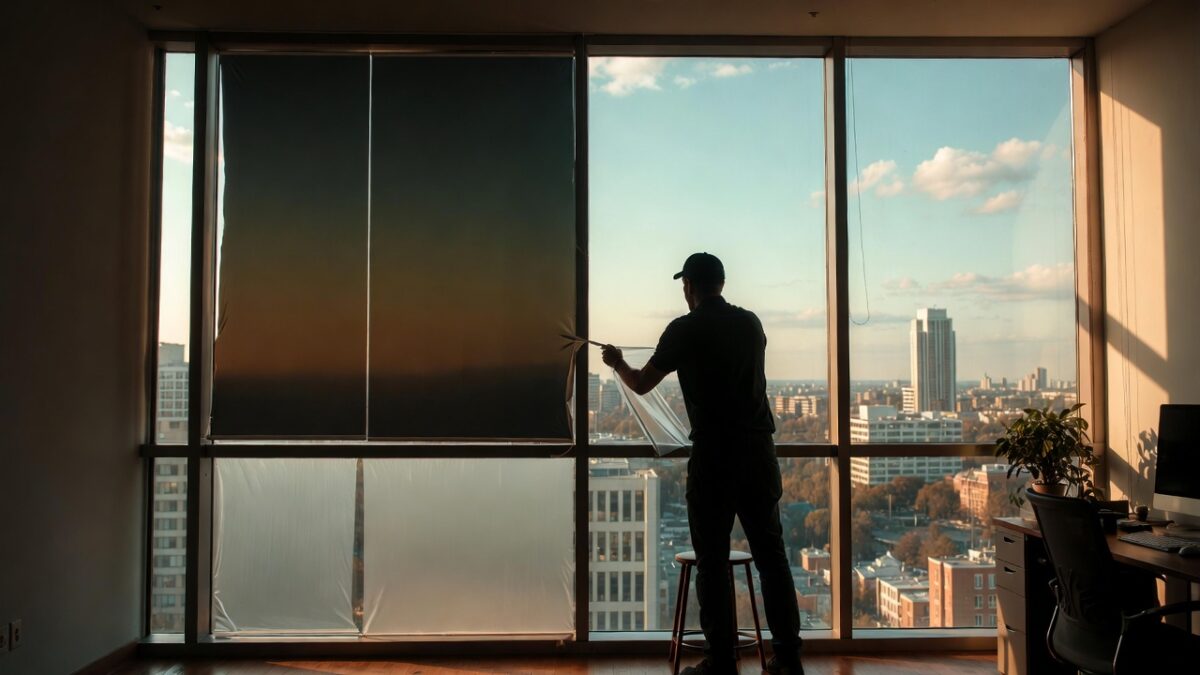
Installation of window filmSummer Effectiveness of Window Insulation Film

Reducing Heat and Glare

One of the most significant benefits of window insulation film in summer is its ability to reduce heat and glare. It can block up to 99% of UV rays, which are responsible for the heat that enters through the windows. By doing so, it helps maintain a comfortable indoor temperature and protects your furniture from sun damage.

Enhancing Energy Efficiency

Using window insulation film can make your home more energy-efficient. By reducing the amount of heat that enters your home, you can lower your reliance on air conditioning systems. This not only cuts down on energy consumption but also helps reduce your electricity bills.

Improving Comfort and Aesthetics

Window films come in various shades and styles, allowing you to choose an option that complements your home’s interior design. Whether you prefer a clear film or a decorative one, you can enhance the aesthetics of your home while enjoying the benefits of heat reduction.

Types of Window Insulation Films for Summer

There are several types of window insulation films available, each with its unique properties and benefits:

Reflective Films

Reflective films are designed to reflect sunlight away from windows. They are particularly effective at reducing heat and glare, making them an excellent choice for homes in sunny climates.

Tinted Films

Tinted films absorb solar heat and reduce glare, providing a comfortable indoor environment. They offer a balance between visibility and heat reduction, making them a popular choice for residential use.

Low-E Films

Low-emissivity (Low-E) films are designed to improve energy efficiency by reflecting infrared light. They are suitable for both summer and winter use, providing year-round benefits.

Different types of window filmsby Steven Van Elk (https://unsplash.com/@stevenvanelk)

Installation and Maintenance

Installing window insulation film is a straightforward process that can be done as a DIY project or by hiring a professional. Here are some steps to consider:

DIY Installation

  1. Clean the Windows: Ensure that the windows are clean and free from dust or debris.
  2. Measure and Cut the Film: Measure the dimensions of your windows and cut the film accordingly.
  3. Apply the Film: Use a spray bottle to wet the window with a soapy water solution. Peel the backing off the film and apply it to the window, smoothing out any bubbles with a squeegee.

Professional Installation

For a flawless finish and long-lasting results, consider hiring a professional installer. They have the experience and tools necessary to ensure that the film is applied correctly and without imperfections.

Maintenance

Window insulation films require minimal maintenance. Simply clean them with a soft cloth and mild detergent to keep them looking their best.

Considerations for Choosing Window Insulation Film

When selecting window insulation film, consider the following factors:

Climate

Choose a film that is suitable for your local climate. Reflective films work well in sunny areas, while Low-E films provide benefits in both hot and cold climates.

Aesthetics

Consider the visual impact of the film. Clear films maintain visibility, while tinted or decorative films can enhance privacy and style.

Budget

Window films come in a range of prices. Determine your budget and choose a film that offers the best value for your needs.

Conclusion: A Cool Investment for Your Home

Window insulation film is an effective and affordable solution for reducing heat and enhancing energy efficiency in the summer. By blocking UV rays and reducing glare, it helps maintain a comfortable indoor environment while lowering energy bills. Whether you choose a reflective, tinted, or Low-E film, you’ll find that this simple addition can make a significant difference in your home’s comfort and energy use. With a variety of styles and options available, window insulation film is a versatile choice for any homeowner looking to improve their living space.

Incorporating window insulation film into your home improvement plan can be a smart move, especially during the hot summer months. Whether you’re an interior designer looking to enhance client spaces or a homeowner seeking to improve energy efficiency, window insulation film offers a practical and stylish solution.

Categories
Window Films & Tinting

What is Privacy Window Film for Medical Clinics and Healthcare?

Window films are one of the most searched upgrades for medical clinics in Toronto and the GTA, and it’s not hard to see why. Glass-heavy clinics look modern, but they also create real privacy problems. Patients notice it right away. Staff feel it too. That’s why many healthcare spaces now rely on window films instead of blinds, curtains, or glass replacement.

If you run a clinic and people can see straight into exam rooms, waiting areas, or reception desks, window films are often the fastest fix. No renovations. No mess. No shutting down for days.

This article explains how window films work in medical clinics, why privacy window film matters so much in healthcare, and how clinics across Toronto are using it to solve daily problems without overthinking it.

What Are Window Films and Why Clinics Use Them

Window films are thin layers applied directly to existing glass. They bond to the surface and change how the glass behaves. Some window films block views. Some soften light. Some add safety. In clinics, privacy window films are the most common choice.

Healthcare spaces use window films to fix issues like:

  • Patients feeling exposed during exams
  • Street-level windows facing sidewalks
  • Glass doors with clear sightlines
  • Open waiting areas with no visual breaks

Most clinics install window films on the inside of the glass. That keeps them protected from Toronto weather and cleaning crews. Once installed, they stay put. They don’t swing. They don’t snap. They don’t collect dust like blinds do.

Many clinics first learn about window films through basic research. This introduction to window films explains the types in simple terms if you want a quick overview.

How Privacy Window Film Works in Medical Settings

Privacy window film works by diffusing light. Instead of letting clear images pass through the glass, the film scatters them. People outside see shapes or light, not faces or movement details.

In exam rooms, this matters a lot. Patients relax more when they know nobody can see in. Even if sound travels, visual privacy changes how the room feels.

Common setups we see in Toronto clinics include:

  • Full frosting on exam room doors
  • Mid-height frosting with clear tops
  • Patterned films in physio spaces
  • Exterior privacy film on street windows

One clinic near Yonge and St. Clair had glass exam doors facing a hallway. Staff taped paper over them for months. We installed frosted window films in one morning. The paper came down. Complaints stopped. Not fancy. Just effective.

If you want a step-by-step look at privacy setups, this guide on achieving privacy with window films breaks it down without jargon.

Why Privacy Matters More in Healthcare Than Other Spaces

Retail stores want visibility. Offices want light. Clinics need privacy first.

Healthcare involves sensitive conversations, exams, and moments where people already feel stressed. Clear glass works against that. Window films fix it quietly.

In Ontario, clinics also have legal duties tied to patient privacy. While window films are not policies, they help limit accidental exposure. The Personal Health Information Protection Act (PHIPA) outlines what clinics must protect.

A walk-in clinic near Scarborough Town Centre called after a patient complained about being seen from outside. The clinic faced a busy plaza. Frosted window films solved the issue without changing their layout.

Another thing clinics notice after installing window films is calmer waiting rooms. People feel less watched. That changes behaviour. Less tension. Less fidgeting. It’s subtle, but real.

Where Window Films Are Installed in Clinics Across Toronto

Every building is different. Older downtown clinics have wired glass and narrow halls. Newer clinics in Vaughan or Markham often have full glass fronts.

Window films are commonly used in:

Exam Rooms

Doors, sidelites, and interior windows. Full privacy or partial bands, depending on workflow.

Waiting Areas

Street-facing glass gets frosted or patterned. Patients can sit without being stared at.

Reception Areas

Glass barriers stay friendly but less exposed.

Treatment Zones

Physio and rehab clinics use decorative window films to separate spaces without walls.

We’ve installed window films near Liberty Village, North York Centre, Square One, and Vaughan Metropolitan Centre. Same problems show up everywhere.

If you’re unsure how film behaves on your specific glass type, this article on key considerations when installing window films explains common issues.

Types of Window Films Used in Healthcare

Not all window films are the same. Clinics usually focus on function, not looks, but both matter.

Frosted Window Film

The most common choice. Blocks views. Keeps light. Easy to clean.

Decorative Window Film

Used for branding or softer separation. Logos and patterns are common.

One-Way Window Film

Used on exterior glass. Blocks views during the day. Less effective at night.

Security Window Film

Added in some clinics for glass protection. Different goal than privacy.

This page on types of window films gives a plain overview if you want to compare options.

For clinics that want more protection, the security window films guide explains how thicker films work.

Window Films vs Blinds or Glass Replacement

Blinds look cheap at first. Then they break. Or get dusty. Or stop closing right.

Replacing glass costs more than most clinics expect. Permits. Noise. Downtime.

Window films sit in the middle. Lower cost. Faster install. Less stress.

Many clinic owners compare film to replacement directly. This breakdown of window films over replacements helps explain why film often wins.

Most clinics stay open during installs. We work early mornings or weekends. No cancelled appointments.

Local Case Example: Downtown Dental Clinic

A dental clinic near Queen West had floor-to-ceiling glass facing the sidewalk. Patients felt exposed during cleanings. Curtains blocked too much light.

They installed frosted window films with a clear band at eye level. Light stayed. Privacy improved. No more awkward stares from outside.

Reviews mentioned “feels more private now.” That’s the stuff clinics don’t always track, but it matters.

Local Case Example: Physio Clinic in Mississauga

A physio clinic near Square One needed separation between treatment tables. Walls were not an option.

Decorative window films created visual breaks without closing the space. Staff could still see movement. Patients felt less exposed. Install took one afternoon.

Common Questions Clinics Ask About Window Films

Will window films make rooms darker?
Most privacy films diffuse light, not block it.

Do window films peel?
Installed right, they last years. Bad installs fail fast.

Are window films easy to clean?
Yes. Same cleaners as glass.

Can window films be removed later?
Yes. They don’t damage glass when removed.

For clinics thinking about DIY installs, this comparison of DIY vs professional window film installation explains the risks.

Why Clinics in Toronto Choose Professional Installation

Healthcare spaces can’t afford bubbles, peeling edges, or misaligned patterns. Patients notice details fast.

Professional window film installers prep glass, control moisture, and cut clean edges. That matters more than people think.

For privacy rules and patient rights in Canada, the Information and Privacy Commissioner of Ontario explains it clearly.

Window Films for Medical Clinics in Toronto and the GTA

Window films are not a trend. They solve real clinic problems every day.

If your clinic feels too open, if patients look uncomfortable, or if staff keep improvising fixes, window films are worth a real look.

Clinics in Toronto, North York, Scarborough, Mississauga, Vaughan, and Markham use window films because they work. Quietly. Without drama.

If you want to explore privacy, solar, decorative, or safety options, start with Tintly Window Films. It helps to talk with installers who have worked inside clinics before.

Glass will always be part of modern healthcare spaces. Window films help make it usable.

Categories
Window Films & Tinting

does window insulation film work in summer

When the summer heat is relentless, finding ways to keep your home cool without over-relying on air conditioning can be a challenge. You might have heard of window insulation film as a winter solution, but does it also help during the scorching summer months? Let’s explore how window insulation film can be an effective tool for summer heat reduction and energy savings.

Sunny window with insulation film

What is Window Insulation Film?

Window insulation film is a thin layer of plastic or polyester applied to windows. It serves multiple purposes, such as reducing heat loss during winter and blocking excessive heat during summer. The film is typically transparent and can be easily installed on the interior or exterior of windows.

How Does It Work?

Window insulation film works by reflecting and absorbing solar energy. During summer, the film helps to block UV rays and reduce glare, keeping your home’s interior cooler. This means that your air conditioning system doesn’t have to work as hard, which can lead to energy savings.

Installation of window film

Summer Effectiveness of Window Insulation Film

Reducing Heat and Glare

One of the most significant benefits of window insulation film in summer is its ability to reduce heat and glare. It can block up to 99% of UV rays, which are responsible for the heat that enters through the windows. By doing so, it helps maintain a comfortable indoor temperature and protects your furniture from sun damage.

Enhancing Energy Efficiency

Using window insulation film can make your home more energy-efficient. By reducing the amount of heat that enters your home, you can lower your reliance on air conditioning systems. This not only cuts down on energy consumption but also helps reduce your electricity bills.

Improving Comfort and Aesthetics

Window films come in various shades and styles, allowing you to choose an option that complements your home’s interior design. Whether you prefer a clear film or a decorative one, you can enhance the aesthetics of your home while enjoying the benefits of heat reduction.

Types of Window Insulation Films for Summer

There are several types of window insulation films available, each with its unique properties and benefits:

Reflective Films

Reflective films are designed to reflect sunlight away from windows. They are particularly effective at reducing heat and glare, making them an excellent choice for homes in sunny climates.

Tinted Films

Tinted films absorb solar heat and reduce glare, providing a comfortable indoor environment. They offer a balance between visibility and heat reduction, making them a popular choice for residential use.

Low-E Films

Low-emissivity (Low-E) films are designed to improve energy efficiency by reflecting infrared light. They are suitable for both summer and winter use, providing year-round benefits.

Different types of window films

by Steven Van Elk (https://unsplash.com/@stevenvanelk)

Installation and Maintenance

Installing window insulation film is a straightforward process that can be done as a DIY project or by hiring a professional. Here are some steps to consider:

DIY Installation

  1. Clean the Windows: Ensure that the windows are clean and free from dust or debris.
  2. Measure and Cut the Film: Measure the dimensions of your windows and cut the film accordingly.
  3. Apply the Film: Use a spray bottle to wet the window with a soapy water solution. Peel the backing off the film and apply it to the window, smoothing out any bubbles with a squeegee.

Professional Installation

For a flawless finish and long-lasting results, consider hiring a professional installer. They have the experience and tools necessary to ensure that the film is applied correctly and without imperfections.

Maintenance

Window insulation films require minimal maintenance. Simply clean them with a soft cloth and mild detergent to keep them looking their best.

Considerations for Choosing Window Insulation Film

When selecting window insulation film, consider the following factors:

Climate

Choose a film that is suitable for your local climate. Reflective films work well in sunny areas, while Low-E films provide benefits in both hot and cold climates.

Aesthetics

Consider the visual impact of the film. Clear films maintain visibility, while tinted or decorative films can enhance privacy and style.

Budget

Window films come in a range of prices. Determine your budget and choose a film that offers the best value for your needs.

Conclusion: A Cool Investment for Your Home

Window insulation film is an effective and affordable solution for reducing heat and enhancing energy efficiency in the summer. By blocking UV rays and reducing glare, it helps maintain a comfortable indoor environment while lowering energy bills. Whether you choose a reflective, tinted, or Low-E film, you’ll find that this simple addition can make a significant difference in your home’s comfort and energy use. With a variety of styles and options available, window insulation film is a versatile choice for any homeowner looking to improve their living space.

Incorporating window insulation film into your home improvement plan can be a smart move, especially during the hot summer months. Whether you’re an interior designer looking to enhance client spaces or a homeowner seeking to improve energy efficiency, window insulation film offers a practical and stylish solution.

Categories
Window Films & Tinting

What is Privacy Window Film for Medical Clinics and Healthcare?

Window films are one of the most searched upgrades for medical clinics in Toronto and the GTA, and it’s not hard to see why. Glass-heavy clinics look modern, but they also create real privacy problems. Patients notice it right away. Staff feel it too. That’s why many healthcare spaces now rely on window films instead of blinds, curtains, or glass replacement.

If you run a clinic and people can see straight into exam rooms, waiting areas, or reception desks, window films are often the fastest fix. No renovations. No mess. No shutting down for days.

This article explains how window films work in medical clinics, why privacy window film matters so much in healthcare, and how clinics across Toronto are using it to solve daily problems without overthinking it.

What Are Window Films and Why Clinics Use Them

Window films are thin layers applied directly to existing glass. They bond to the surface and change how the glass behaves. Some window films block views. Some soften light. Some add safety. In clinics, privacy window films are the most common choice.

Healthcare spaces use window films to fix issues like:

  • Patients feeling exposed during exams
  • Street-level windows facing sidewalks
  • Glass doors with clear sightlines
  • Open waiting areas with no visual breaks

Most clinics install window films on the inside of the glass. That keeps them protected from Toronto weather and cleaning crews. Once installed, they stay put. They don’t swing. They don’t snap. They don’t collect dust like blinds do.

Many clinics first learn about window films through basic research. This introduction to window films explains the types in simple terms if you want a quick overview.

How Privacy Window Film Works in Medical Settings

Privacy window film works by diffusing light. Instead of letting clear images pass through the glass, the film scatters them. People outside see shapes or light, not faces or movement details.

In exam rooms, this matters a lot. Patients relax more when they know nobody can see in. Even if sound travels, visual privacy changes how the room feels.

Common setups we see in Toronto clinics include:

  • Full frosting on exam room doors
  • Mid-height frosting with clear tops
  • Patterned films in physio spaces
  • Exterior privacy film on street windows

One clinic near Yonge and St. Clair had glass exam doors facing a hallway. Staff taped paper over them for months. We installed frosted window films in one morning. The paper came down. Complaints stopped. Not fancy. Just effective.

If you want a step-by-step look at privacy setups, this guide on achieving privacy with window films breaks it down without jargon.

Why Privacy Matters More in Healthcare Than Other Spaces

Retail stores want visibility. Offices want light. Clinics need privacy first.

Healthcare involves sensitive conversations, exams, and moments where people already feel stressed. Clear glass works against that. Window films fix it quietly.

In Ontario, clinics also have legal duties tied to patient privacy. While window films are not policies, they help limit accidental exposure. The Personal Health Information Protection Act (PHIPA) outlines what clinics must protect.

A walk-in clinic near Scarborough Town Centre called after a patient complained about being seen from outside. The clinic faced a busy plaza. Frosted window films solved the issue without changing their layout.

Another thing clinics notice after installing window films is calmer waiting rooms. People feel less watched. That changes behaviour. Less tension. Less fidgeting. It’s subtle, but real.

Where Window Films Are Installed in Clinics Across Toronto

Every building is different. Older downtown clinics have wired glass and narrow halls. Newer clinics in Vaughan or Markham often have full glass fronts.

Window films are commonly used in:

Exam Rooms

Doors, sidelites, and interior windows. Full privacy or partial bands, depending on workflow.

Waiting Areas

Street-facing glass gets frosted or patterned. Patients can sit without being stared at.

Reception Areas

Glass barriers stay friendly but less exposed.

Treatment Zones

Physio and rehab clinics use decorative window films to separate spaces without walls.

We’ve installed window films near Liberty Village, North York Centre, Square One, and Vaughan Metropolitan Centre. Same problems show up everywhere.

If you’re unsure how film behaves on your specific glass type, this article on key considerations when installing window films explains common issues.

Types of Window Films Used in Healthcare

Not all window films are the same. Clinics usually focus on function, not looks, but both matter.

Frosted Window Film

The most common choice. Blocks views. Keeps light. Easy to clean.

Decorative Window Film

Used for branding or softer separation. Logos and patterns are common.

One-Way Window Film

Used on exterior glass. Blocks views during the day. Less effective at night.

Security Window Film

Added in some clinics for glass protection. Different goal than privacy.

This page on types of window films gives a plain overview if you want to compare options.

For clinics that want more protection, the security window films guide explains how thicker films work.

Window Films vs Blinds or Glass Replacement

Blinds look cheap at first. Then they break. Or get dusty. Or stop closing right.

Replacing glass costs more than most clinics expect. Permits. Noise. Downtime.

Window films sit in the middle. Lower cost. Faster install. Less stress.

Many clinic owners compare film to replacement directly. This breakdown of window films over replacements helps explain why film often wins.

Most clinics stay open during installs. We work early mornings or weekends. No cancelled appointments.

Local Case Example: Downtown Dental Clinic

A dental clinic near Queen West had floor-to-ceiling glass facing the sidewalk. Patients felt exposed during cleanings. Curtains blocked too much light.

They installed frosted window films with a clear band at eye level. Light stayed. Privacy improved. No more awkward stares from outside.

Reviews mentioned “feels more private now.” That’s the stuff clinics don’t always track, but it matters.

Local Case Example: Physio Clinic in Mississauga

A physio clinic near Square One needed separation between treatment tables. Walls were not an option.

Decorative window films created visual breaks without closing the space. Staff could still see movement. Patients felt less exposed. Install took one afternoon.

Common Questions Clinics Ask About Window Films

Will window films make rooms darker?
Most privacy films diffuse light, not block it.

Do window films peel?
Installed right, they last years. Bad installs fail fast.

Are window films easy to clean?
Yes. Same cleaners as glass.

Can window films be removed later?
Yes. They don’t damage glass when removed.

For clinics thinking about DIY installs, this comparison of DIY vs professional window film installation explains the risks.

Why Clinics in Toronto Choose Professional Installation

Healthcare spaces can’t afford bubbles, peeling edges, or misaligned patterns. Patients notice details fast.

Professional window film installers prep glass, control moisture, and cut clean edges. That matters more than people think.

For privacy rules and patient rights in Canada, the Information and Privacy Commissioner of Ontario explains it clearly.

Window Films for Medical Clinics in Toronto and the GTA

Window films are not a trend. They solve real clinic problems every day.

If your clinic feels too open, if patients look uncomfortable, or if staff keep improvising fixes, window films are worth a real look.

Clinics in Toronto, North York, Scarborough, Mississauga, Vaughan, and Markham use window films because they work. Quietly. Without drama.

If you want to explore privacy, solar, decorative, or safety options, start with Tintly Window Films. It helps to talk with installers who have worked inside clinics before.

Glass will always be part of modern healthcare spaces. Window films help make it usable.