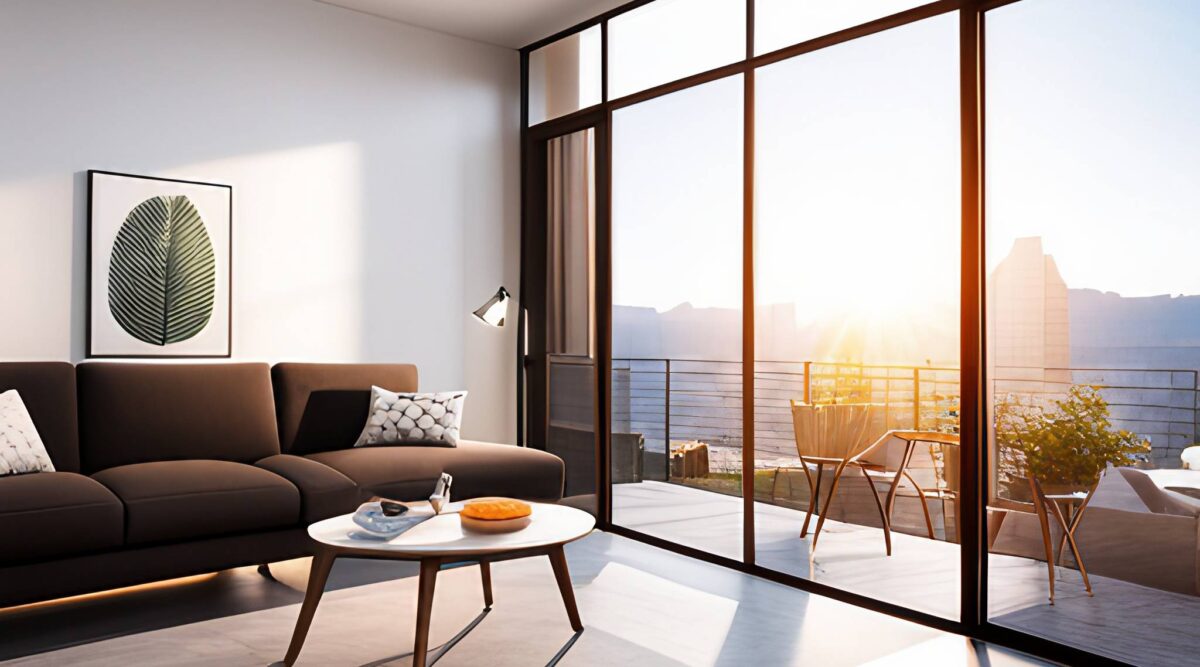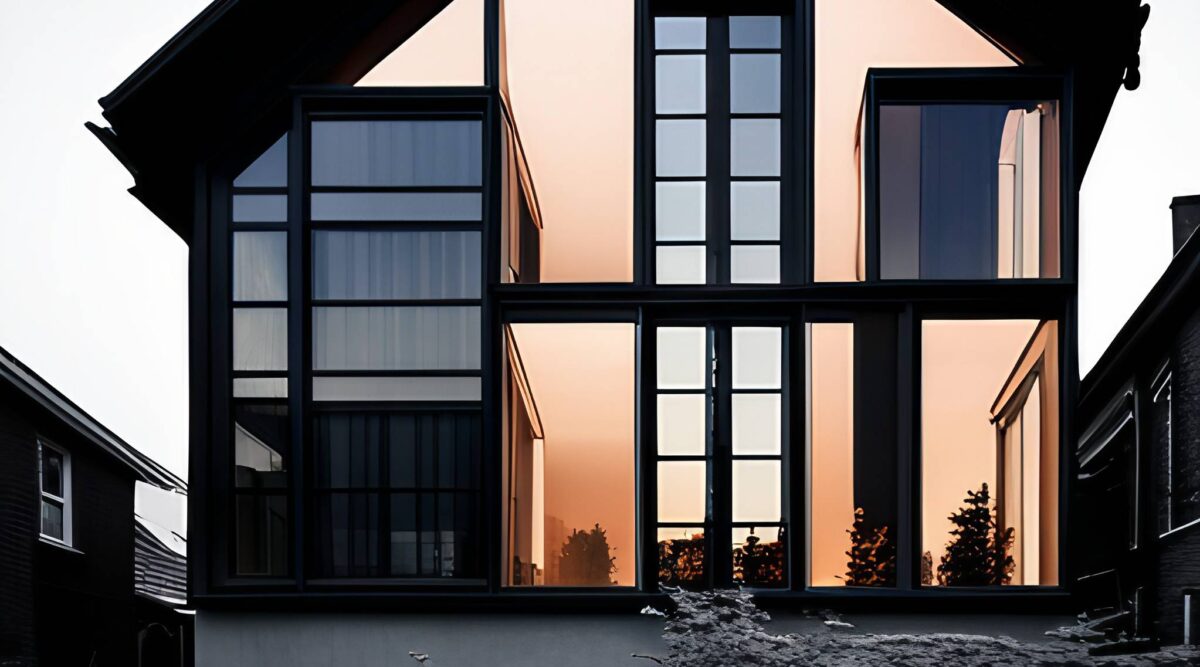
In the realm of home improvement, window films have emerged as a cost-effective and versatile solution for enhancing both the aesthetics and functionality of a home. Whether you’re an interior designer looking to add flair to a space or a homeowner seeking to improve privacy and energy efficiency, house window film can be a game-changer.
Before diving into the benefits, let’s clarify what house window film is. Essentially, it’s a thin laminate film that can be installed on the interior or exterior of glass surfaces in homes. These films are available in a variety of styles, colors, and functionalities, each tailored to specific needs such as privacy, UV protection, or energy efficiency.

Benefits of House Window Film
Enhanced Privacy
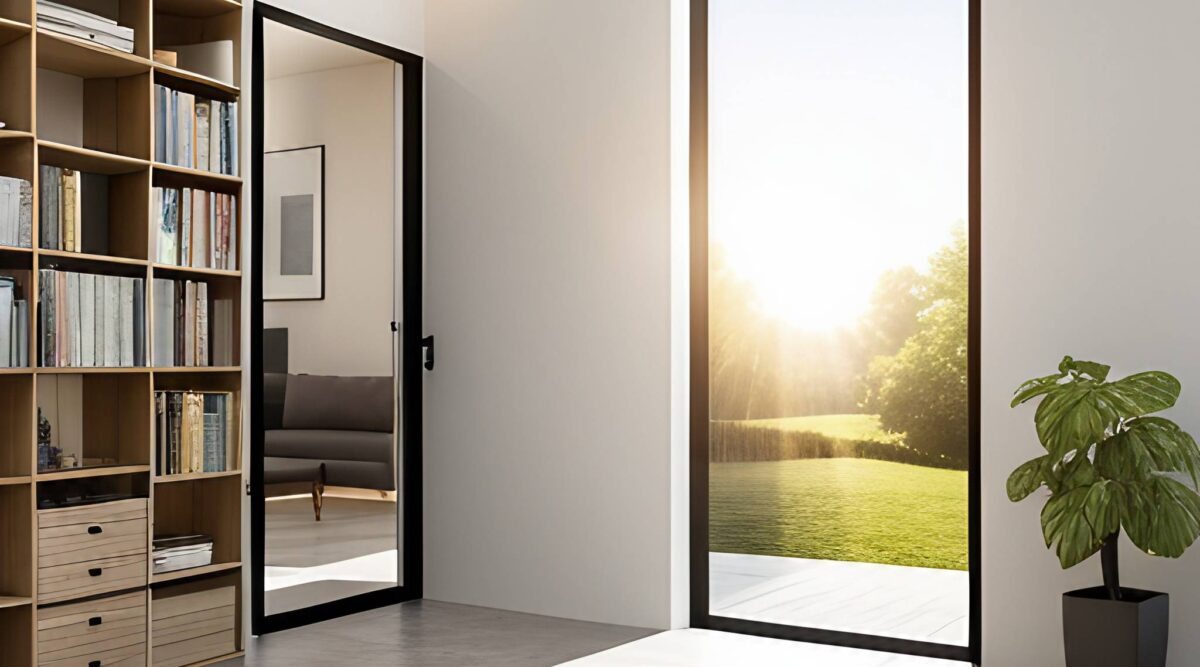
Privacy is a significant concern for many homeowners, especially those living in urban environments. Privacy window film offers a simple and effective solution. These films come in various opacities and designs, allowing you to maintain your view while preventing outsiders from looking in. It’s an ideal choice for bathrooms, bedrooms, or any room where you require additional privacy without compromising natural light.
Energy Efficiency
House window films can also play a crucial role in improving your home’s energy efficiency. By reducing the amount of heat that enters through the windows, these films help maintain a consistent indoor temperature, reducing reliance on heating and cooling systems. This can lead to significant savings on energy bills over time.
UV Protection
The sun’s ultraviolet (UV) rays can cause significant damage to your home’s interiors, fading furniture, carpets, and artwork. Home window tint can block up to 99% of these harmful rays, preserving your interior furnishings and extending their lifespan.

Aesthetic Appeal
For interior designers, the aesthetic versatility of window films is a huge draw. Available in a range of patterns and colors, window films can complement any design style, from modern minimalism to traditional elegance. They allow designers to experiment with light and shadow, creating unique visual effects that enhance the overall appeal of a space.
Safety and Security
Window films can also contribute to the safety and security of your home. Some films are designed to hold shattered glass in place, reducing the risk of injury from flying shards in the event of an accident or break-in. This added layer of protection can provide peace of mind for homeowners.
Choosing the Right Window Film for Your Home
The key to maximizing the benefits of window film lies in selecting the right type for your specific needs. Here are some considerations to keep in mind:
Assess Your Needs
Start by assessing what you want to achieve with window film. Are you looking to enhance privacy, improve energy efficiency, or add a decorative touch? Understanding your primary objective will guide you in choosing the right product.
Consider the Room’s Function
Different rooms may require different types of window film. For instance, a bedroom might benefit more from privacy film, while a living room with expensive furnishings might need UV protection.
Explore Design Options
Window films come in a variety of designs, from subtle frosted looks to bold patterns. Consider how the film will fit into the overall design scheme of the room and the home.
Consult with Professionals
For the best results, consider consulting with a professional installer. They can offer valuable insights into the latest products and help ensure the film is installed correctly for maximum durability and performance.
Installation: DIY vs. Professional Services
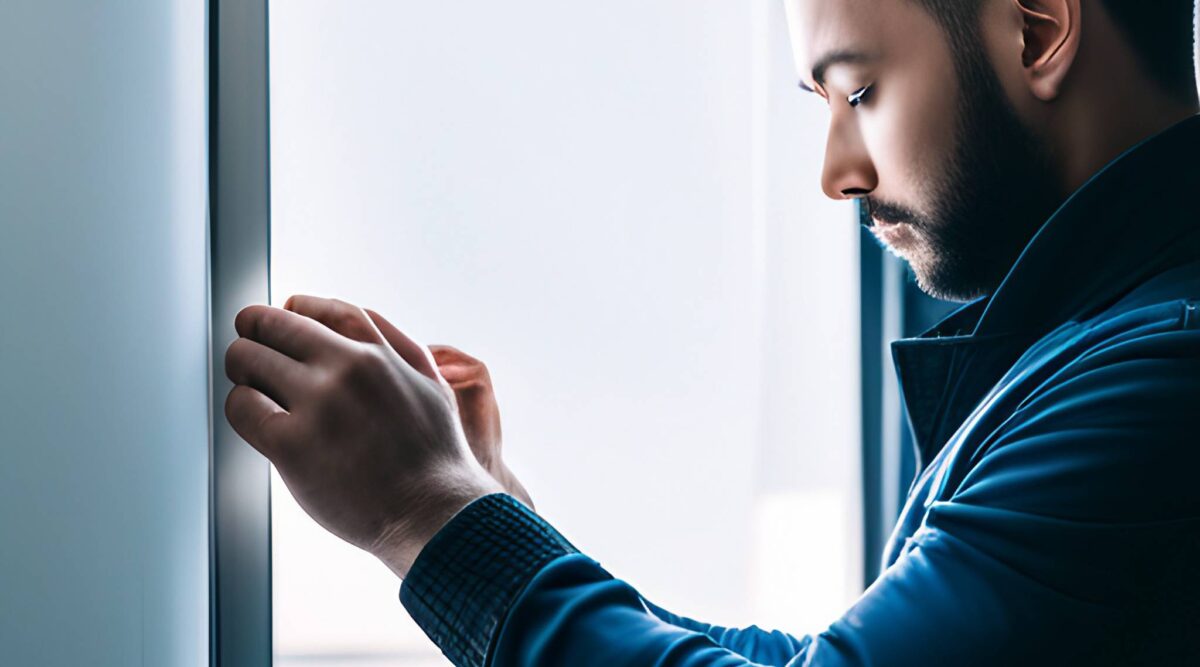
While some homeowners may opt for a DIY installation, hiring a professional often yields better results. Professional installers have the expertise and tools necessary to apply the film without bubbles or creases, ensuring a smooth, flawless finish.

by ihor (https://unsplash.com/@ishlpnk)
The DIY Approach
If you choose to install window film yourself, be sure to follow the manufacturer’s instructions closely. Clean the glass thoroughly before application and take your time to avoid common pitfalls such as misalignment or air bubbles.
Professional Installation
A professional installation may come at a higher initial cost, but it offers several advantages. Professionals can tailor the installation to the specific conditions of your windows and ensure a perfect fit. Additionally, many companies offer warranties on their work, providing an added layer of assurance.
Real-World Example: Transforming a Home with Window Film
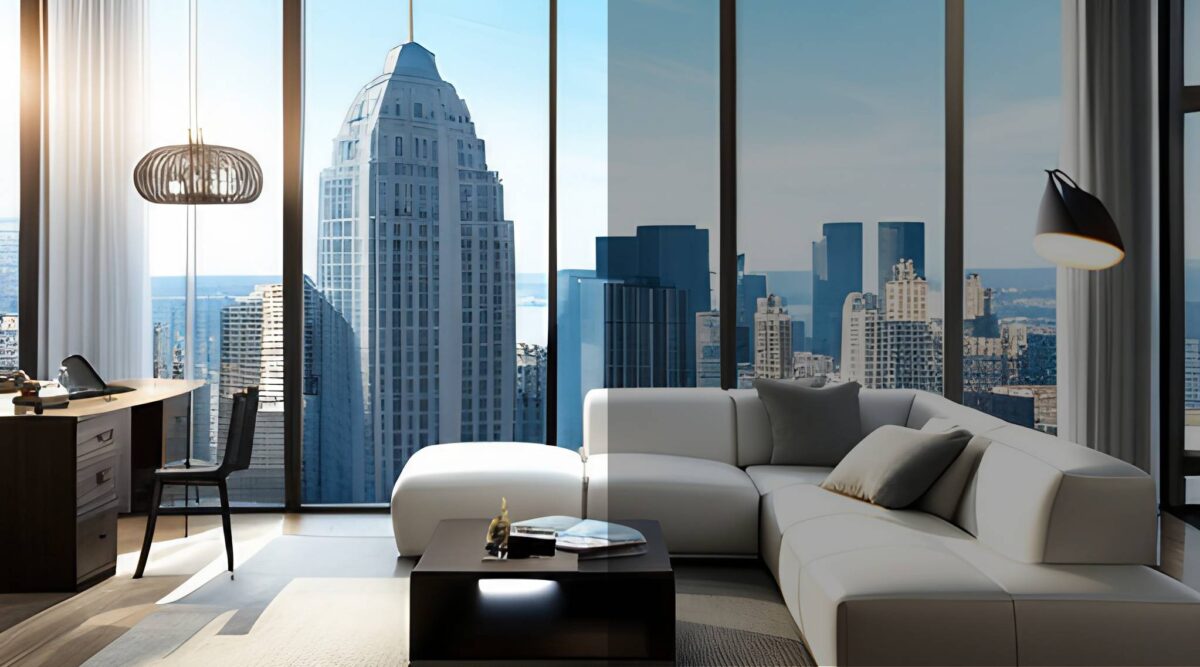
Consider the case of an urban apartment owner who wanted to reduce glare and improve privacy without sacrificing style. By installing a subtle privacy window film with a reflective finish, the homeowner was able to enjoy unobstructed views of the city while significantly reducing glare and improving indoor comfort.
Cost Considerations
The cost of window film can vary widely based on the type, quality, and size of the windows. While it represents an investment, the long-term savings on energy bills and the protection it offers to furnishings can make it a cost-effective choice. For interior designers, the added aesthetic value can also enhance the appeal of a property, potentially increasing its market value.
Conclusion
In conclusion, house window film is a versatile and practical solution for any homeowner or interior designer looking to enhance privacy, improve energy efficiency, and add a unique design element to a space. With a range of styles and functionalities to choose from, there’s a window film to suit every need and preference.
Whether you’re seeking to create a tranquil oasis in a bustling city or looking to protect your home from the sun’s harmful rays, window film is an investment in comfort, style, and sustainability. Consider exploring the options available and consulting with a professional to transform your home into a more private, energy-efficient, and beautiful space.