Categories
Window Films & Tinting

Buy Professional Window Tinting

# Buy Professional Window Tinting

When it comes to enhancing the look and functionality of your home or vehicle, window tinting is a simple yet highly effective solution. Not only does it provide a sleek, modern appearance, but it also offers numerous practical benefits. In this article, we will explore why buying professional window tinting is a wise investment and how it can transform your space.

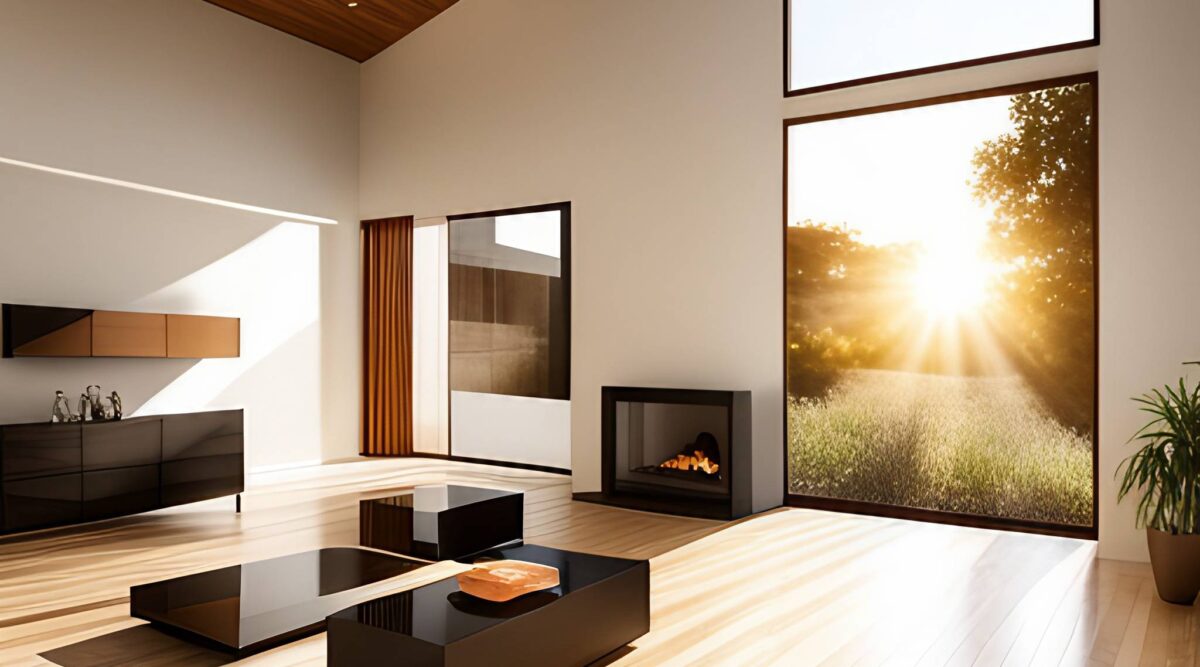
Residential window with tint

Residential window tinting is more than just a decorative feature. It’s a practical solution for homeowners looking to improve their living environment in several ways.

Energy Efficiency

One of the most significant advantages of residential window tinting is its ability to improve energy efficiency. By reducing the amount of heat entering your home, window film can help maintain a consistent indoor temperature. This means you rely less on air conditioning in the summer and heating in the winter, leading to lower energy bills.

UV Protection

Window tints block a significant portion of harmful UV rays from entering your home. These rays can cause fading and damage to your furniture, flooring, and artwork. With window film, you can protect your interior investments while enjoying natural light.

Enhanced Privacy and Security

Window tinting provides an added layer of privacy by obscuring the view from the outside, without sacrificing your view from the inside. Moreover, window films can hold shattered glass together, which adds an element of security by preventing easy break-ins and reducing the risk of injury from flying glass shards.

Aesthetic Appeal

With a variety of tints and shades available, you can choose a style that complements your home’s interior and exterior design. Whether you prefer a subtle look or a bold statement, there’s a window film to match your taste.

The Benefits of Automotive Window Tinting

Car with tinted windows

Automotive window tinting offers similar benefits to residential tinting but tailored for vehicles.

Improved Comfort

Tinted windows can keep your car cooler by reflecting sunlight and reducing heat build-up. This makes for a more comfortable driving experience, especially during hot summer months.

Protect Interior

Much like in homes, UV rays can damage your car’s interior, causing leather seats to crack and dashboards to fade. Window tint acts as a protective barrier against these harmful rays.

Increased Privacy and Safety

Tinting your car windows enhances privacy, deterring potential thieves from peering into your vehicle. Additionally, in the event of an accident, the film can hold shattered glass together, reducing the risk of injury.

Stylish Appearance

Window tinting can significantly enhance the look of your vehicle, providing a sleek and sophisticated appearance that sets it apart.

Why Buy Professional Window Tinting Services?

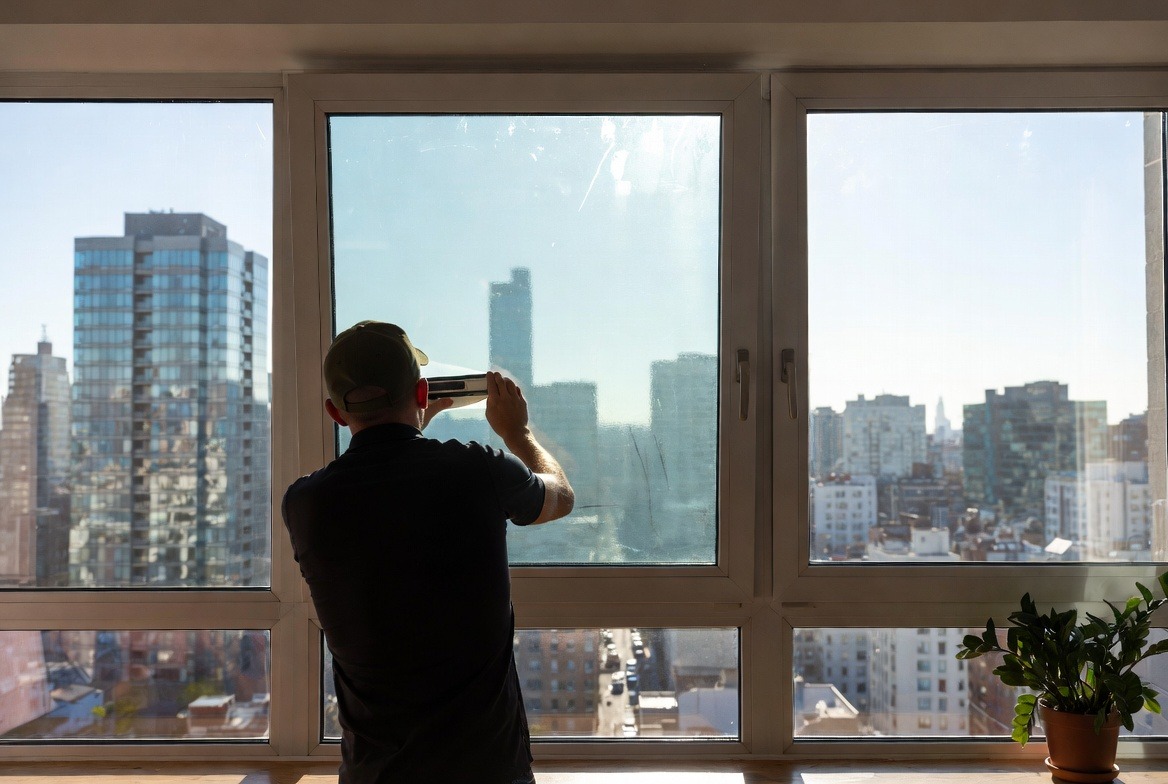
Professional applying window tint

by Deniz Demirci (https://unsplash.com/@ddography)

Opting for professional window tinting services ensures you receive the highest quality product and installation. Here’s why professional services are worth the investment:

Expertise and Experience

Professional installers have the expertise and experience to apply window film correctly, ensuring a perfect fit with no bubbles, creases, or peeling edges. This level of precision cannot be guaranteed with DIY kits.

High-Quality Materials

Professional services use top-grade materials that offer superior performance and longevity compared to off-the-shelf products. Quality tints provide better UV protection, clarity, and durability.

Warranty and Support

Most professional window tinting services come with a warranty, offering peace of mind that your investment is protected. Should any issues arise, professional services often provide support to address them.

Time Efficiency

Professional installers can complete the job quickly and efficiently, saving you time and hassle. Attempting a DIY installation can be time-consuming and may require multiple attempts to achieve satisfactory results.

How to Choose the Right Window Tinting Service

When selecting a window tinting service, consider the following factors to ensure you receive the best value:

Reputation and Reviews

Research potential providers by reading reviews and testimonials. A company with a strong reputation and positive customer feedback is likely to deliver quality service.

Range of Products

Choose a provider that offers a wide range of tints and shades to find the perfect match for your needs and preferences. A diverse selection ensures you can customize your tinting solution.

Professional Accreditation

Look for companies with professional accreditation or certification, which indicates a commitment to quality and industry standards.

Cost and Value

While cost is an important consideration, it shouldn’t be the sole factor in your decision. Weigh the price against the quality of materials, installation expertise, and customer service to determine overall value.

Conclusion

Investing in professional window tinting for your home or vehicle is a smart decision that offers numerous benefits. From improved energy efficiency and UV protection to enhanced privacy and aesthetics, window tinting is a versatile solution that addresses a variety of needs.

By choosing professional services, you ensure a high-quality installation that maximizes these benefits and provides lasting value. Whether you’re looking to upgrade your home’s comfort and style or protect your vehicle’s interior, professional window tinting is a worthwhile investment that delivers on its promises.

Categories
Window Films & Tinting

Solar Window Film vs Low-E Glass: How Window Films Really Compare for Toronto Homes

Window films are one of the most searched upgrades in Toronto once warm weather hits. Homeowners and business owners start asking the same thing every year. Why does the sun make some rooms unbearable? Why does the AC never stop? And why do energy bills spike so fast?

In Toronto and the GTA, most buildings have large glass areas. Condos near the Gardiner. Homes in Scarborough with west-facing windows. Offices in Mississauga wrapped in glass. All of them deal with heat gain through windows. That’s why people end up comparing window films to Low-E glass.

This page breaks down how window films, especially solar window film, compare to Low-E glass in real Toronto conditions. No sales talk. Just what actually works, what costs more, and what fits local buildings.

Why this comparison matters in Toronto

Toronto has short springs and fast summers. Once June hits, sun angles get sharp. South- and west-facing windows turn into heaters. Last August, during a heat warning, we saw calls jump from North York condos and Etobicoke semis within the same week. Same issue. Same glass. Same heat.

People usually think replacing windows is the only fix. That’s where window films come in.

How window films work on existing glass

Window films are thin layers installed directly onto current windows. They control heat, glare, and UV without replacing glass. Solar window film is the most common type used for heat control in Toronto.

If you want a plain-language breakdown of film types, this guide helps a lot: Introduction to window films: understanding the basics.

Solar window film reflects and absorbs solar energy before it enters the space. That’s the big difference. It deals with heat at the glass surface, not after the room heats up.

Performance of window films in GTA homes

Window films work best on windows that already exist and still seal properly. Most Toronto homes fall into this category.

Here’s what solar window films usually do in real spaces:

  • Reduce solar heat gain
  • Cut harsh glare on screens
  • Block UV that fades floors and furniture
  • Keep rooms more even in temperature

A detached home in Markham we worked on last summer had one upstairs bedroom reaching 30°C by noon. After installing window films on two west-facing windows, the room dropped by several degrees and stayed usable all day. Same windows. Same AC. Less heat.

That kind of result is common when the problem is sunlight, not insulation failure.

Cost and install timing for window films

This is where window films stand out.

Installation happens from the inside. No glass removal. No exterior work. Most Toronto homes finish in a few hours.

Cost stays much lower than replacing windows. That matters in condos, rentals, and older homes where frames still work fine.

For homeowners comparing options, this article lines it up clearly: Benefits of choosing window films over replacements.

What Low-E glass does differently

Low-E glass has a coating built into the glass at the factory. It reflects some heat and improves insulation. It works best when installed as part of a new window system.

Many newer homes in Oakville and Newmarket already have Low-E glass. In those cases, solar control might already be decent.

Limits of Low-E glass in older Toronto buildings

Low-E glass needs full window replacement. That creates a few issues in Toronto:

  • Condo approval is often required
  • Installation takes longer
  • Cost climbs fast
  • Frames may also need replacement

Low-E glass also doesn’t always handle glare well. People still end up adding blinds or shades after replacing windows.

That’s why many Toronto homeowners with working windows choose window films instead of full replacement.

Window films vs Low-E glass: side-by-side in real use

Here’s how the two options compare in everyday Toronto homes.

Window films

  • Install on current windows
  • Lower upfront cost
  • Fast install
  • Strong heat and UV control
  • Good glare reduction
  • Works in condos

Low-E glass

  • Needs window replacement
  • Higher cost
  • Longer install
  • Good insulation
  • Glare control depends on glass type
  • Condo limits apply

If your windows are broken or leaking, replacement makes sense. If heat and glare are the main problems, window films usually solve it faster.

Seasonal performance of window films in Toronto

People often think window films are only for summer. That’s not true.

In winter, solar window films help reduce radiant heat loss through glass. It doesn’t turn windows into walls, but it helps stabilize room temps. That matters during cold snaps in January and February, especially in older homes.

Natural Resources Canada has data on window heat transfer here: Natural Resources Canada – Windows and Doors.

Case study: downtown office glare problem

A small office near King Street West had floor-to-ceiling glass. Staff complained about screen glare and afternoon heat. Blinds blocked light but made the space feel dark.

Solar window films were installed on the south side only. Glare dropped. Screens stayed readable. AC cycles reduced. No exterior changes. The building manager approved it because nothing changed outside.

That’s a typical downtown Toronto use case for window films.

Why local window film experience matters

Toronto buildings are mixed. Brick homes. Glass towers. Double-pane windows from the 90s. New triple-pane units.

Local installers know which window films work with which glass types. That helps prevent seal problems and performance issues.

This checklist explains what to look at before installing: What are key considerations when installing window films.

Timing also matters. Cold winter installs need different handling than summer installs. Local crews know this stuff.

Window films for businesses across the GTA

Window films aren’t just for houses.

They’re used in:

  • Retail shops with sun exposure
  • Clinics needing calmer light
  • Offices with glass boardrooms
  • Restaurants with front windows

A café in Vaughan added solar window films before patio season. Customers stopped moving seats away from the windows. Staff noticed the AC wasn’t fighting as hard. Simple fix. Big comfort change.

Common questions people ask about window films

People usually ask:

  • Will the room get darker?
  • Can people see in?
  • Is it allowed in condos?
  • Does it damage glass?

The answer depends on film type. Solar window films come in many shades and clarity levels. Some look almost clear. Others add privacy. Most condo boards allow interior film.

Window films vs window replacement costs

Window replacement can cost tens of thousands in Toronto. Window films usually cost a fraction of that.

For homeowners watching budgets, this matters. Many people install window films now and replace windows later when frames actually fail.

That’s why searches for window films Toronto spike every spring.

Final thoughts for Toronto homeowners

If you’re building new, Low-E glass works well. If your windows still function and heat is the problem, window films usually make more sense.

They install fast. They cost less. They work with Toronto buildings instead of against them.

For people dealing with glare, heat, or fading, solar window films solve problems without tearing anything out.

If you want to understand all film options available locally, start here: Window films overview.

This approach fits Toronto homes, condos, and businesses because it matches how buildings are actually built here.