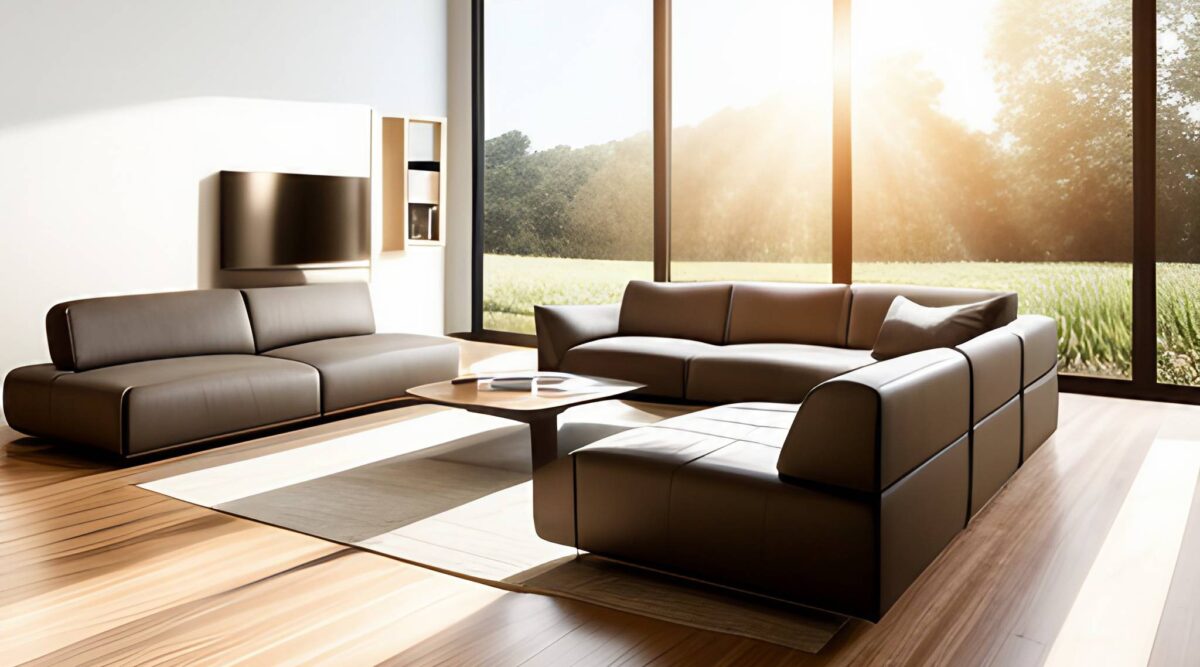
In the quest for a comfortable and energy-efficient home, UV window film emerges as a valuable solution. It serves as a cost-effective way to not only enhance the aesthetic appeal of your home but also to improve its energy efficiency. In a world increasingly focused on sustainability and cost-saving measures, UV window film offers a dual benefit that caters to both. If you’re an interior designer or homeowner looking for ways to create a more appealing and efficient living space, this article will guide you through the ins and outs of UV window film and its myriad benefits.
Understanding the science behind UV window film can empower you to make informed decisions about its use in your home or projects. By blocking ultraviolet rays, the film not only protects interiors but also contributes to the overall longevity of your furnishings and decor. This article will delve into what UV window film is, how it works, and the various advantages it provides, offering a comprehensive overview for those considering this innovative solution.

UV window film is a thin, multi-layered polyester material applied to windows. It is specifically engineered to block ultraviolet (UV) rays from penetrating through the glass, thereby offering a range of benefits that extend from improved energy efficiency to enhanced comfort and protection for your home furnishings. The film’s construction is designed to filter out the sun’s harmful rays while allowing natural light to enter, creating a balanced interior environment.
The technology behind UV window film has evolved significantly over the years. Modern films are not only effective in blocking UV rays but also come with additional features such as glare reduction and heat control. These films are available in various types and grades, allowing homeowners and designers to select products that best meet their specific needs and preferences. Whether you’re looking to protect your interior décor or reduce energy consumption, UV window film offers a versatile solution.
Does UV Window Film Work?
The short answer is yes, UV window film works effectively. It can block up to 99% of harmful UV rays, which are known to cause fading in furniture, flooring, and artwork. By reducing these rays, UV window film helps preserve the aesthetic and value of your interior spaces. This protective barrier ensures that your investments in décor and furnishings remain vibrant and fresh, even with prolonged exposure to sunlight.
The effectiveness of UV window film extends beyond mere protection from fading. It also plays a critical role in maintaining a comfortable indoor climate by minimizing heat gain through windows. This is particularly beneficial during summer months when solar heat can significantly increase the temperature indoors. By mitigating this heat, UV window film contributes to a more consistent and comfortable living environment, reducing the need for air conditioning and thus saving on energy costs.
Advantages of Window Tinting
Window tinting provides numerous advantages that cater to both aesthetics and functionality. It serves as a multi-faceted solution that addresses several common concerns faced by homeowners and designers alike. Let’s explore these benefits in detail.
Energy Efficiency

One of the most significant advantages of window tinting is its ability to improve energy efficiency. By blocking solar heat, UV window film helps maintain a consistent indoor temperature, reducing the need for excessive air conditioning in the summer and heating in the winter. This leads to lower energy bills and a smaller carbon footprint, aligning with eco-friendly design goals. In today’s environmentally-conscious world, reducing energy consumption is not just a personal benefit but a contribution to broader sustainability efforts.
Moreover, UV window film can be an essential component in achieving higher energy ratings for your home. By reducing the reliance on HVAC systems, it contributes to the overall energy performance of the building. This can be particularly advantageous if you’re looking to sell your property, as homes with better energy efficiency ratings are more attractive to potential buyers. The investment in window tinting can thus pay off in the form of increased property value and appeal.
Enhanced Comfort
UV window film contributes to a more comfortable living environment by reducing glare and heat buildup. This is particularly beneficial in rooms with large windows or those that receive direct sunlight. By minimizing glare, the film allows for better screen visibility and a more pleasant atmosphere. Whether you’re working from home or enjoying a movie, the reduced glare can significantly enhance your experience.
The film’s ability to control heat and light also means that you can enjoy natural daylight without the associated discomfort. This creates a more inviting and enjoyable space, allowing you to make the most of your home environment. For those living in sunny climates, the comfort provided by UV window film can make a noticeable difference in daily life, enhancing overall wellbeing and satisfaction with one’s home.
Protection from Fading
UV rays are notorious for causing fading and damage to interior furnishings. By installing UV window film, you can protect your investments, keeping your furniture, carpets, and artwork looking vibrant and new for longer periods. This protection is particularly valuable for items with sentimental or high monetary value, preserving them for future enjoyment and reducing the need for costly replacements.
In addition to protecting interiors, UV window film also contributes to the longevity of your window treatments and finishes. By minimizing sun damage, the film helps maintain the overall appearance and quality of your home’s interior design. This not only saves money in the long run but also ensures that your living spaces remain aesthetically pleasing and comfortable.
Privacy and Security
Many UV window films also offer privacy solutions by reducing visibility from the outside without compromising natural light. This makes it an ideal choice for homes in densely populated areas or those with windows facing public spaces. The added privacy allows homeowners to enjoy their spaces without the worry of prying eyes, enhancing the sense of security and personal comfort.
Additionally, certain films can strengthen glass, making it more resistant to shattering, thus enhancing security. In the event of an attempted break-in or an accidental impact, the film holds the glass together, reducing the risk of injury from flying shards. This added layer of protection is invaluable in safeguarding your home and its occupants, providing peace of mind alongside its other benefits.
Types of UV Window Film
There are various types of UV window films available, each designed for specific needs and preferences. Understanding the differences can help you select the right product for your home or project, ensuring you reap the maximum benefits from your investment.
Dyed Window Film
Dyed window film is known for its affordability and ability to provide privacy and reduce glare. However, it may not offer as much heat reduction as other types. This makes it a suitable choice for those on a budget who are primarily concerned with glare reduction and privacy.
While dyed films are less effective at controlling heat, they can still contribute to a more comfortable indoor environment by reducing light intensity. This type of film is particularly popular in residential settings where aesthetic appeal and cost are primary considerations. It can also be layered with other types of films to enhance its performance, offering flexibility in achieving desired results.
Metalized Window Film
This film contains tiny metallic particles that reflect heat and block UV rays. It’s highly effective at reducing heat and providing a mirrored look from the outside, but it may interfere with electronic signals. The metallic coating reflects sunlight, making it an excellent choice for hot climates where heat reduction is a priority.
Despite its effectiveness, the reflective nature of metalized films can alter the appearance of windows, which may not suit all design preferences. Additionally, the potential interference with electronic signals such as Wi-Fi or cell reception can be a drawback for some users. Nevertheless, its superior heat rejection properties make it a preferred option for commercial spaces and buildings seeking to optimize energy efficiency.
Ceramic Window Film
Ceramic film is a premium option that uses advanced technology to block UV rays and reduce heat without affecting visibility or electronic signals. It’s an excellent choice for those seeking high performance and clarity. Unlike metalized films, ceramic films do not contain metal particles, eliminating the risk of signal interference while maintaining a natural appearance.
The superior performance of ceramic films comes at a higher cost, but the benefits often justify the investment. They offer unparalleled clarity and efficiency, making them ideal for spaces where both aesthetics and performance are critical. Whether for residential or commercial use, ceramic films provide a cutting-edge solution for those who demand the best in window film technology.
Installation Process
by Nguyễn Hiệp (https://unsplash.com/@hieptltb97)
The installation of UV window film should ideally be handled by professionals to ensure optimal performance and longevity. Proper installation is crucial to achieving the desired benefits and maintaining the film’s appearance and effectiveness over time. Here’s a brief overview of the process:
- Assessment: A professional will evaluate your windows and recommend the best type of film based on your needs and the orientation of your home. This initial step ensures that the chosen film aligns with your specific goals, whether they be energy efficiency, privacy, or aesthetic enhancement.
- Preparation: Windows are thoroughly cleaned to remove dust, dirt, and any existing residues that might interfere with adhesion. Proper cleaning is essential to achieving a smooth and bubble-free application, as any contaminants can compromise the film’s effectiveness and durability.
- Application: The film is carefully cut to size and applied to the window, ensuring there are no bubbles or imperfections. Professional installers use specialized tools and techniques to achieve a flawless finish, maximizing both the performance and appearance of the film.
- Final Inspection: After installation, the film is inspected to ensure a perfect fit and finish. This step involves checking for any bubbles, wrinkles, or alignment issues, addressing any imperfections to ensure the film meets quality standards.
Maintenance Tips
Once installed, UV window film requires minimal maintenance. However, following a few simple guidelines can help ensure it remains in top condition, extending its lifespan and performance.
- Cleaning: Use a soft cloth and a mild, non-abrasive cleaner to wipe down the film. Avoid using sharp or abrasive tools that could scratch the surface. Regular cleaning prevents the buildup of dirt and grime, which can affect the film’s appearance and clarity.
- Inspection: Periodically check for any signs of peeling or bubbling, which could indicate the need for professional attention. Early detection of issues can prevent more significant problems and help maintain the film’s effectiveness and aesthetic appeal.
- Avoidance of Harsh Conditions: While durable, UV window film can be affected by extreme conditions. Avoid exposing it to high moisture or direct impact to preserve its integrity and performance over time.
Conclusion
UV window film is an effective and versatile solution for enhancing both the aesthetics and functionality of your home. By blocking harmful UV rays, improving energy efficiency, and offering additional privacy and security, it serves as an ideal choice for interior designers and homeowners alike who seek to optimize their living spaces. Its benefits extend beyond mere protection, contributing to a more comfortable and sustainable home environment.
With various types available to suit different needs and preferences, UV window film provides a tailored solution that complements interior designs while addressing practical concerns. Whether you’re looking to reduce energy bills, protect your furnishings, or simply create a more comfortable home environment, UV window film delivers on all fronts. Its adaptability and effectiveness make it a worthwhile investment for anyone looking to enhance their living or working spaces.
If you’re considering this innovative solution, consulting with a professional installer can help ensure you choose the right type of film for your specific needs and achieve the best possible results. Professional guidance can provide insights into the latest technologies and trends in window films, helping you make an informed decision that aligns with your goals and budget.