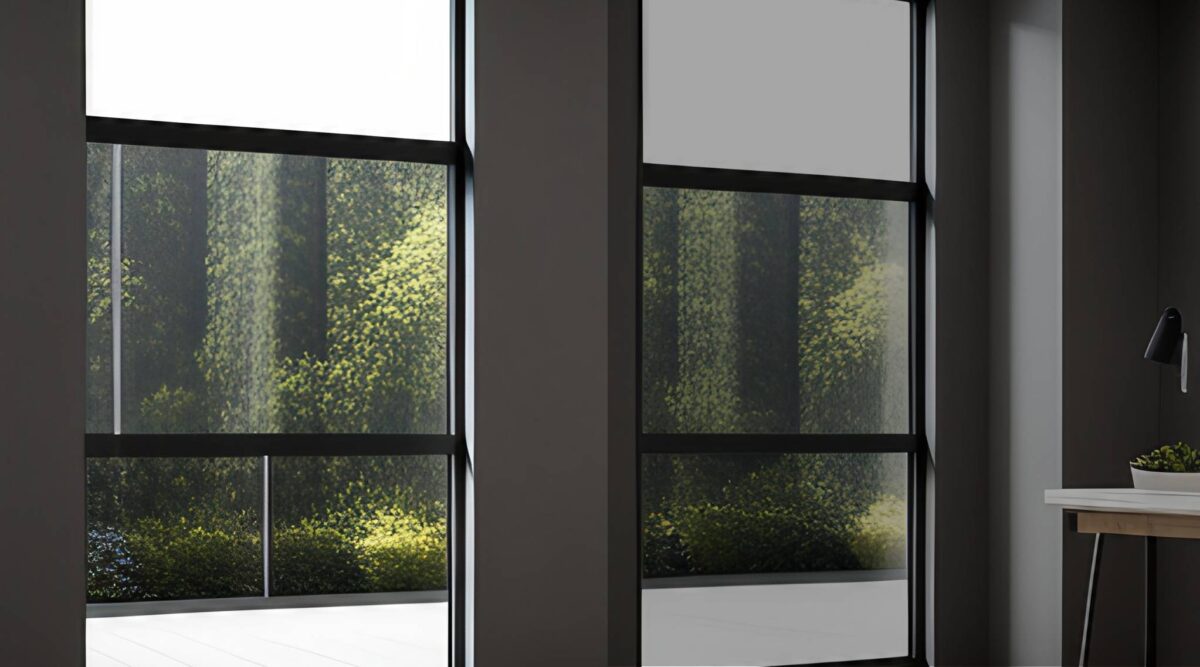
When considering window tinting for your home, understanding the time it takes to complete the process is crucial. Whether you’re an interior designer aiming to provide eco-friendly solutions or a homeowner looking to enhance your living space, knowing what to expect can help you plan better.
In this article, we’ll delve into the various factors that affect the tinting time, the general window tinting duration, and additional insights that could be beneficial for anyone interested in this home improvement solution.

Before diving into the specifics of how long window tinting takes, it’s important to understand the factors that can influence the duration. Here are the key elements:
Type of Film
The type of window film you choose plays a significant role in determining the installation time. Films can vary in thickness, color, and purpose (e.g., UV protection, privacy, decorative). Thicker films or those with special features might take longer to install.
Number of Windows
The total number of windows that need tinting directly impacts the time required. More windows mean more work, naturally leading to a longer installation process. It’s essential to communicate the exact number of windows to your service provider for an accurate time estimate.
Size and Shape of Windows
Standard-sized and shaped windows are quicker to tint compared to larger or uniquely shaped ones. Bay windows, arched windows, and other custom designs may require additional time and precision.
Experience of Installer
The expertise and efficiency of the professional installer are crucial. Experienced installers can often complete the job more quickly and with better precision than someone who is new to the field.
Typical Window Tinting Duration

Now that we have covered the factors influencing the tinting time, let’s look at the general duration you can expect for a typical window tinting job.
Residential Window Tinting
For an average home with standard-sized windows, the tinting process usually takes about 2 to 4 hours. This estimate includes preparation, film application, and cleanup. However, if you have a larger home with numerous windows, it might take longer, potentially extending to a full day.
Commercial Window Tinting
Commercial spaces often have more windows and larger glass surfaces. As a result, tinting a commercial property can take anywhere from one to three days, depending on the size and complexity of the job.
Vehicle Window Tinting
Though not the focus of this article, it’s worth noting that vehicle window tinting is generally quicker, often completed within 1 to 2 hours.
Steps in the Window Tinting Process
Understanding the steps involved in window tinting can give you a clearer picture of why it takes the time it does. Here are the main stages:
Preparation
The process begins with cleaning the windows thoroughly. Dust, dirt, and grease must be removed to ensure the film adheres properly. This step is crucial for a flawless finish.
Film Cutting
The installer will measure the windows and cut the film to the exact size needed. Precision in this step minimizes waste and ensures a perfect fit.
Application
The film is then carefully applied to the window. This is a meticulous process that involves smoothing out bubbles and ensuring the film is aligned correctly.
Drying Time
After application, the film needs time to dry and adhere fully. This can take a few days to a week, depending on the weather. During this period, it’s advisable not to clean or touch the windows.
Benefits of Window Tinting

by Jack Thomas (https://unsplash.com/@yobvas1)
Beyond aesthetics, window tinting offers several advantages that make the time investment worthwhile:
Energy Efficiency
Tinted windows can significantly reduce heat gain, keeping your home cooler in the summer and warmer in the winter. This efficiency can lead to lower energy bills, making it a cost-effective solution in the long run.
UV Protection
Window films block up to 99% of harmful UV rays, protecting your furniture, flooring, and artwork from fading. This protection extends the life of your interior furnishings and maintains their appearance.
Enhanced Privacy and Security
Tinting adds an extra layer of privacy, preventing outsiders from easily looking into your home. Some films also offer added security by holding glass together if it breaks, reducing the risk of injury from flying shards.
Improved Comfort
By minimizing glare and regulating indoor temperatures, window tinting enhances overall comfort, making your living spaces more enjoyable.
Choosing the Right Installer
Selecting a qualified installer is crucial to ensure a successful window tinting project. Here are a few tips:
Research and Reviews
Look for installers with positive reviews and a solid reputation. Customer feedback can provide valuable insights into the quality of service you can expect.
Experience and Expertise
Choose professionals who have extensive experience in window tinting. Experienced installers are more likely to deliver high-quality results efficiently.
Warranty and Service
Ensure that the installer offers a warranty on both the film and the installation. This guarantees that you’re covered if any issues arise after the installation.
Conclusion
Understanding the time involved in window tinting can help you plan better and set realistic expectations. With its multitude of benefits, investing the time in window tinting can lead to enhanced aesthetics, improved energy efficiency, and increased comfort in your home.
Whether you’re an interior designer seeking stylish solutions for clients or a homeowner looking to upgrade your space, window tinting offers a valuable enhancement to any living space. By choosing the right installer and being aware of the factors that influence tinting time, you can ensure a smooth and successful installation process.