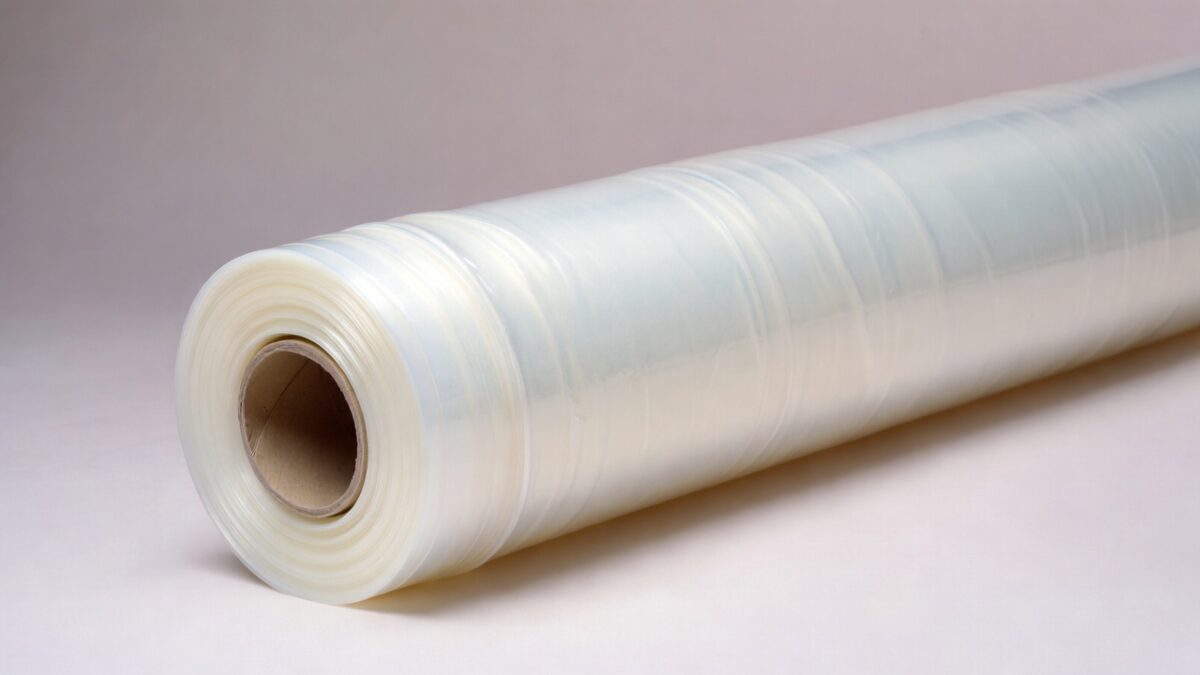
In the world of office design, glass film is quickly becoming a go-to solution for enhancing privacy, aesthetics, and energy efficiency. But what exactly is glass film, and why might it be the perfect addition to your office space? In this article, we’ll explore the benefits of glass film for offices, helping you decide if it’s the right choice for your design needs.

Understanding Glass Film
Glass film is a thin laminate that can be applied to glass surfaces, including windows and doors, to achieve various effects and benefits. From privacy to energy savings, glass film offers a versatile and cost-effective solution for office environments.
Types of Glass Film
There are several types of glass film available, each serving a specific purpose:
- Privacy Glass Film: This type of film is designed to obscure the view through a window, making it ideal for areas where privacy is a priority.
- Frosted Glass Film: Frosted glass film offers a translucent finish that diffuses light while maintaining privacy, adding a modern touch to office interiors.
- Decorative Glass Film: Available in various patterns and colors, decorative glass film can enhance the aesthetic appeal of office spaces without compromising on functionality.

Benefits of Glass Film for Offices
Enhanced Privacy
One of the primary reasons businesses choose glass film is to enhance privacy. Whether you have meeting rooms that require confidentiality or workspaces that need to minimize distractions, privacy glass film can provide the solution. By applying glass film, you can ensure that sensitive information remains secure while maintaining an open and inviting atmosphere.
Improved Aesthetics
Glass film offers a unique opportunity to enhance the visual appeal of an office. With decorative designs or frosted finishes, glass film can transform ordinary glass surfaces into striking design elements. This allows interior designers to create cohesive and stylish office environments that reflect the brand’s personality and values.
Increased Energy Efficiency
Glass film can also play a significant role in improving energy efficiency. By reducing glare and blocking harmful UV rays, glass film can help maintain a comfortable indoor temperature, reducing the need for excessive air conditioning. This not only lowers energy bills but also contributes to a more sustainable office environment.
Cost-Effective Solution
Compared to other office renovation options, glass film is a cost-effective way to achieve multiple benefits. Installation is quick and straightforward, minimizing disruption to office operations. Additionally, glass film is durable and easy to maintain, ensuring long-term value for your investment.
Installation Process
Installing glass film is a straightforward process that can be completed quickly, with minimal disruption to office activities. Here’s a brief overview of what you can expect:
- Consultation: A professional installer will assess your office space and discuss your specific needs and preferences.
- Selection: Choose the type of glass film that best meets your requirements, whether it’s privacy, frosted, or decorative film.
- Preparation: The glass surfaces will be thoroughly cleaned and prepped for the film application.
- Application: The film is carefully applied to the glass, ensuring a smooth and bubble-free finish.
- Final Inspection: After installation, a final inspection ensures that the film adheres properly and meets your expectations.

by Thingsneverchange (https://unsplash.com/@thingsneverchange)
Considerations When Choosing Glass Film
When selecting glass film for your office, there are several factors to consider:
- Purpose: Determine whether your primary goal is to enhance privacy, aesthetics, or energy efficiency.
- Design: Consider how the film will integrate with your existing office decor and brand identity.
- Quality: Opt for high-quality film to ensure durability and long-lasting performance.
- Professional Installation: Hire an experienced installer to achieve the best results and avoid potential issues.
Real-World Applications
Many businesses have successfully integrated glass film into their office designs, achieving impressive results. For instance, a tech company in downtown San Francisco used frosted glass film to create private meeting spaces without compromising the open feel of their office. The result was a modern, sleek environment that fostered collaboration while ensuring confidentiality.
Similarly, a financial institution in New York City applied decorative glass film to their lobby windows, creating a sophisticated and welcoming entrance that aligned with their brand image.
Conclusion
Glass film offers a versatile and practical solution for enhancing office spaces. Whether you aim to improve privacy, boost aesthetics, or increase energy efficiency, glass film can help you achieve your goals. With its cost-effective nature and easy installation process, glass film is an excellent choice for any office looking to upgrade its interiors.
By considering the benefits and applications of glass film, you can make an informed decision that enhances your office environment and meets your design objectives. As a trusted expert in home improvement solutions, I encourage you to explore the possibilities that glass film can bring to your office space.