Categories
Window Films & Tinting

Window Films for Homes in Toronto and the GTA: What They Are, How They Work, and Why People Use Them

Window films are one of the most searched home upgrades in Toronto and the GTA right now. Homeowners look for window films when rooms get too hot, glare makes screens useless, privacy feels gone, or energy bills keep creeping up.

If you live in Toronto, Mississauga, Vaughan, Markham, or anywhere nearby, this is common. Big windows look great, but they also let heat pour in during summer and cold leak out in winter. Window films exist to fix that problem without tearing out your windows.

Window films are thin layers applied directly to existing glass. They change how the glass reacts to sunlight, heat, and visibility. The window stays. The frame stays. The glass just starts behaving better.

People often think window films mean dark windows. That’s old thinking. Modern window films can be clear, lightly shaded, or privacy focused, depending on the goal.

How Window Films Actually Work on Residential Glass

Plain glass is not smart. It lets heat and UV rays move right through. That’s why one sunny room can feel ten degrees hotter than the rest of the house.

Window films add working layers to the glass. Each layer does a job.

  • Solar layers help reflect or absorb heat
  • UV layers help protect floors and furniture
  • Privacy layers change what people can see
  • Safety layers help hold glass together if it breaks

Once installed, the film stays in place. There is nothing to open or close. No cords. No switches. It just works all day.

A condo owner near King West reached out last summer because their unit felt brutal every afternoon. After adding solar window films, indoor temps dropped enough that their AC didn’t run all evening anymore. Same windows. Different result.

Why Window Films Matter in Toronto Weather

Toronto weather is rough on windows. Summer sun hits hard. Winter cold makes glass feel icy even indoors.

In July, south- and west-facing windows collect heat fast. In January, those same windows let warmth leak out. That swing is uncomfortable and expensive.

Window films help slow both problems. Solar films reduce heat coming in during summer. Other films help limit heat loss during colder months.

This matters a lot in the GTA because homes are built differently. Downtown condos have huge glass walls. Older homes in areas like East York or The Annex have large window openings with less insulation. Townhouses sit close together and deal with privacy stress.

A family in Richmond Hill added window films after their upstairs bedrooms stayed hot well into the night. After installation, the rooms cooled faster and sleep improved. Not perfect, but much better.

Types of Window Films Used in Homes

Not all window films solve the same problem. Picking the wrong type is where people get disappointed.

Solar Window Films

These focus on heat and glare. They are common in living rooms, condos, and home offices.

Some are lightly tinted. Some are almost clear. The goal is comfort, not darkness.

UV Blocking Window Films

These films block UV rays while keeping windows clear. They help slow fading on floors, rugs, and furniture.

Homes with hardwood or large windows facing the sun often choose these.

Privacy Window Films

Privacy films reduce visibility from outside during the day. They are popular for front windows and bathrooms.

If privacy is your main issue, this guide on privacy window films breaks it down clearly.

Decorative and Frosted Window Films

These add privacy while keeping light. They are common in bathrooms, stairwells, and entry doors.

Safety and Security Window Films

Security films help hold glass together when broken. They slow smash attempts and reduce glass injuries.

Ground floor windows and sliding doors benefit most. If security is a concern, learning about security window films is worth it.

Window Films vs Replacing Windows

This comes up a lot. People wonder if they should replace windows instead.

Window replacement makes sense when frames are rotted or seals are blown. But many windows are still fine. They just let too much heat and light through.

Window films cost less, install faster, and avoid construction mess. They fix heat, glare, and privacy issues without removing anything.

A homeowner in Oakville was quoted over $40,000 for new windows. Window films solved the heat issue for a small part of that cost.

For most comfort problems, window films are the first move. Replacement comes later if needed.

Common Questions About Window Films

Do window films damage glass? No, when the film matches the glass type and is installed right.

Do window films make rooms dark? Not always. Many films block heat but keep rooms bright.

Can window films be removed? Yes. They are removable.

Are window films allowed in Toronto? Yes. There are no residential limits.

Real World Use in the GTA

Window films are not just for new homes. Older Toronto houses use them too.

A semi-detached home near Danforth added window films to front windows for privacy without closing blinds all day. Daylight stayed. Street views were blocked.

A small business owner in North York added window films at home after seeing them work in their office. Same idea. Same benefit.

Window films are flexible. That’s why they keep showing up in both homes and work spaces.

Learning More About Window Films

If you want a simple visual explanation of how window films work, this video breaks it down clearly: How Window Film Works – YouTube.

For neutral information on how sunlight and heat affect buildings, Natural Resources Canada has useful resources: Natural Resources Canada – Energy Efficiency.

Thinking About Window Films for Your Home?

If your home feels too hot, too exposed, or uncomfortable near windows, window films are worth looking into.

Not every film fits every window. Advice matters. Experience matters.

Learn more about window films and residential options with Tintly Window Films. A short conversation often saves months of frustration.

Categories
Window Films & Tinting

What Is Window Film Installation?

If you live or work in Toronto or the GTA, you’ve probably had this moment. It’s mid-July. The sun is blasting through your windows. Your AC is running nonstop. One room feels like a sauna, another feels fine, and your hydro bill shows up looking… rude.

That’s usually when people start Googling window film installation.

We see this every year. Condo owners downtown. Homeowners in North York. Retail shops along Yonge, Queen, and Dundas. Offices in Mississauga and Vaughan. Same problems, same questions. Does window film actually work? Is it just tint? Why do professionals matter?

This page explains it all in plain language, based on real installs across Toronto and the GTA.

What Is Window Film Installation and Why People in Toronto Choose It

Window film installation is the process of applying a thin, durable film directly to glass to change how that glass performs. It focuses on function first, not looks.

In Toronto and the GTA, people choose window film installation for very practical reasons:

  • Excess heat coming through the windows
  • Harsh glare on TVs, laptops, and monitors
  • Lack of privacy at night
  • Fading floors, furniture, or retail products
  • Safety concerns with glass doors and storefronts

Professional window films are built with layered materials that control heat, block UV, add privacy, or improve glass safety without replacing the window.

South-facing condos near Lake Ontario and large windows in Scarborough or Etobicoke homes take the hardest hit from sun exposure. That’s why film is often chosen over replacement.

For energy performance basics in Canadian homes, Natural Resources Canada explains how windows affect heat gain and loss: ENERGY STAR windows and efficiency.

How Professional Window Film Installation Actually Works

Professional window film installation is not the same as DIY tint.

The glass is cleaned until no dust or residue remains. In Toronto condos, leftover construction dust is the most common cause of bubbling.

The film is cut directly on the glass for tight edges. This matters on older homes and uneven frames.

The installer applies the film with a slip solution, positions it correctly, then removes the solution so the adhesive bonds evenly.

Film cures over time. In winter, curing takes longer due to temperature changes. Light haze during curing is normal.

Film choice must match the glass type. Double pane and Low-E glass need specific films to avoid seal stress. A full breakdown is covered in key considerations when installing window films.

Ontario building standards for glazing and safety are outlined here: Ontario Building Code.

What Problems Window Film Installation Solves for Homes and Businesses

Most people explore window film installation because something feels wrong in their space.

Heat imbalance is common in south- and west-facing rooms. Solar window films reduce heat gain and help rooms feel more even. Practical ways to block heat and UV are explained in heat blocking and UV protection with solar film.

UV exposure causes fading. Health Canada explains how UV affects interiors and materials: UV index and sun safety.

Privacy concerns are common after dark. Frosted and privacy films limit visibility while keeping natural light. Options are outlined in privacy window film options.

Security window film helps hold shattered glass together during impact. Learn how it works here: security window films.

For basic crime prevention guidance in Toronto, the Toronto Police Service provides public resources: Toronto Police crime prevention.

Why Professional Window Film Installation Beats DIY

DIY window film often leads to lifting edges, trapped dust, uneven darkness, or peeling.

Professional installers select films that work with Canadian seasons and specific glass types.

A clear comparison is explained in DIY window films vs professional installation.

If the decision is between film and replacing windows, this guide helps compare both: window films vs window replacements.

Window Film Installation in Toronto and the GTA: What to Expect

Most installs take a few hours. Homes are often finished in one day. Offices can be staged to avoid downtime.

You can stay during installation. There is no demolition or heavy dust.

After installation, avoid cleaning the film for several days. Use soft cloths and mild cleaners only.

Many people notice results after the first sunny day. Rooms feel calmer and glare drops.


Frequently Asked Questions About Window Film Installation

What is window film installation?

Window film installation is the process of applying a thin film to glass to reduce heat, glare, UV exposure, or improve privacy and safety.

Does window film installation damage windows?

Professional window film installation does not damage windows when the correct film is matched to the glass type.

How long does window film last in Canadian climates?

Quality window film typically lasts 10 to 20 years in Canada based on exposure and installation quality.

Is window film installed on the inside or outside of the glass?

Most residential and commercial window film installations in Toronto are applied on the inside of the glass.

Can window film installation lower energy bills?

Window film installation can reduce heat gain in summer and heat loss in winter, which can help lower energy costs.

Categories
Window Films & Tinting

What Are Window Films? A Practical Guide for Homes and Businesses in Toronto

tinted window film
roll of tinted window film

Window films are one of the most searched window upgrades in Toronto. Homeowners and business owners look for ways to control heat, glare, fading, and privacy without replacing their windows.

Window films solve these problems by changing how glass reacts to sunlight. They reduce heat, block UV, limit glare, and control visibility using a thin layer applied directly to existing windows.

Across Toronto and the GTA, window films are used in condos, homes, offices, retail stores, clinics, and schools. You will see them in CityPlace towers, older homes in East York, storefronts along Yonge Street, and offices in Mississauga.

This guide explains what window films are, how they work, and why they make sense for Toronto buildings.

What Window Films Are and How They Work

Window films are thin layers made from polyester and coated with special materials. These layers bond to glass and change how sunlight passes through the window.

Some films reflect heat. Others absorb it. Some scatter light to reduce glare. Many block almost all UV.

Window films help glass perform better without changing the window itself.

In Toronto, untreated windows cause common issues. Rooms overheat in summer. Condos trap heat. Winter sun causes glare but little comfort. Floors and furniture fade over time.

Window films reduce these problems by controlling light and heat before they enter the room.

If you want a simple breakdown of how window films work, that guide explains the basics without technical language.

Why Window Films Matter in Toronto’s Climate

Toronto weather changes fast. Summers are hotter. Winters still hit hard. Glass feels the impact first.

South- and west-facing windows cause the most trouble. In summer, these windows raise indoor temperatures quickly. In condos, this happens even when the AC is running.

In winter, glare becomes the main problem. People close blinds and turn on lights instead.

Window films help balance this by reducing heat gain, cutting glare, and blocking UV year-round.

According to Natural Resources Canada, windows are one of the biggest sources of heat loss and heat gain in Canadian homes.

How Homeowners Use Window Films

Homeowners usually call about comfort first.

In East York and Scarborough, many older homes still have solid windows but poor thermal performance. Replacing them costs a lot. Window films offer a faster fix.

In Vaughan and Richmond Hill, newer homes often have large glass areas. These look great but trap heat.

Homeowners use window films to:

  • Cool down hot bedrooms
  • Reduce glare on TVs and laptops
  • Protect hardwood floors
  • Improve privacy near sidewalks
  • Lower AC use during heat waves

Case example: A semi-detached home near the Danforth had a west-facing living room that hit 29°C most afternoons. After installing solar window films, the room stayed around 24–25°C on similar days.

For homeowners focused on privacy, this guide on privacy window film options covers the most common solutions.

How Businesses Use Window Films

Businesses use window films for function.

Retail stores deal with faded merchandise. Offices deal with glare on screens. Clinics need privacy without dark rooms.

Window films help solve these issues quietly.

  • Storefront glare control
  • Office comfort improvement
  • Meeting room privacy
  • UV protection for displays
  • Added safety during glass breakage

Case example: A small retail shop in Liberty Village saw fading near the front window. After UV window film installation, fading slowed and displays stayed usable longer.

Security concerns are also rising. For businesses looking at safety options, security window films help hold broken glass together during impact.

For testing standards related to safety glazing, ASTM provides reference material here: ASTM International.

What Window Film Installation Involves

Installing window films is not just sticking film to glass.

The installer checks the glass type first. Double pane, tempered, or low-e glass each reacts differently.

The wrong film on the wrong glass can cause stress cracks.

Installation usually includes:

  • Glass inspection
  • Film selection
  • Detailed cleaning
  • Wet application
  • Hand trimming
  • Curing time

If you want a step-by-step overview of professional work, this guide explains how security films are installed.

Common Myths About Window Films

“Window films make rooms dark.”
Some do. Many reduce heat while staying clear.

“Window films damage windows.”
Problems happen when film and glass are mismatched.

“DIY films work the same.”
Material quality and installation skill matter.

This comparison of DIY vs professional window film installation explains the difference clearly.

Are Window Films Worth It?

For many Toronto homes and businesses, yes.

Window films solve real problems without major renovation. They improve comfort, protect interiors, and make rooms usable again.

Most people say the same thing after installation. They waited too long.

Learn More About Window Films

If you want to see how window films work in real settings, this overview video explains the basics in plain language:

How Window Film Works – Educational Overview (YouTube)

You can also explore industry guidance from the International Window Film Association.

Talk to a Local Window Film Expert

If you are dealing with heat, glare, fading, or privacy issues, window films are worth a closer look.

Learn more about professional window film solutions at Tintly Window Films.

Better window performance starts with the right film.

Categories
Window Films & Tinting

Near me Household Window Tint

When considering ways to improve your home’s energy efficiency and enhance its aesthetic appeal, window tinting is an excellent option. Not only does it offer a sleek, modern look, but it also provides practical benefits like reducing glare and improving privacy. If you’re seeking “window tinting near me” or looking for quality “near me household window tint” services, this guide will help you understand the advantages and find the right solutions for your home.

Modern living room with tinted windows

Home window tinting is not just about appearances; it delivers tangible benefits that can make your living space more comfortable and efficient. Here’s why you should consider it:

Energy Efficiency

Window tinting can dramatically reduce your home’s energy consumption. By blocking out a significant portion of the sun’s heat, tinted windows help maintain a cooler indoor temperature. This means your air conditioning system doesn’t have to work as hard, leading to lower energy bills and a reduced carbon footprint.

Enhanced Privacy and Security

Tinted windows add a layer of privacy to your home without sacrificing natural light. They allow you to enjoy your view without worrying about prying eyes. Additionally, some window films can make glass more shatter-resistant, providing an added security measure against break-ins or severe weather.

Glare Reduction

Sunlight through a window highlighting glare reduction

Glare from the sun can be a nuisance, especially when you’re trying to watch TV or work on a computer. Home window tinting minimizes glare, enhancing your comfort and allowing you to enjoy your activities without interruption.

UV Protection

The sun’s UV rays can fade your furniture, flooring, and artwork over time. Window tinting blocks up to 99% of harmful UV rays, protecting your interiors and prolonging the life of your furnishings.

Finding “Window Tinting Near Me”

When searching for “window tinting near me,” it’s important to choose a provider that offers high-quality products and exceptional service. Here’s how you can find the best local service:

Research and Reviews

Start by researching local companies online. Look for reviews and testimonials from previous customers to gauge their satisfaction. A company with a solid reputation for quality and service is more likely to meet your expectations.

Experience and Expertise

Choose a provider with extensive experience in home window tinting. An experienced company will have a portfolio of completed projects and can offer insights into the best options for your home.

Custom Solutions

Look for a service that offers customizable solutions. Every home is different, and the best providers will tailor their offerings to meet your specific needs and preferences. Whether you need a particular tint shade or a specific type of film, they should be able to accommodate your requests.

Understanding the Installation Process

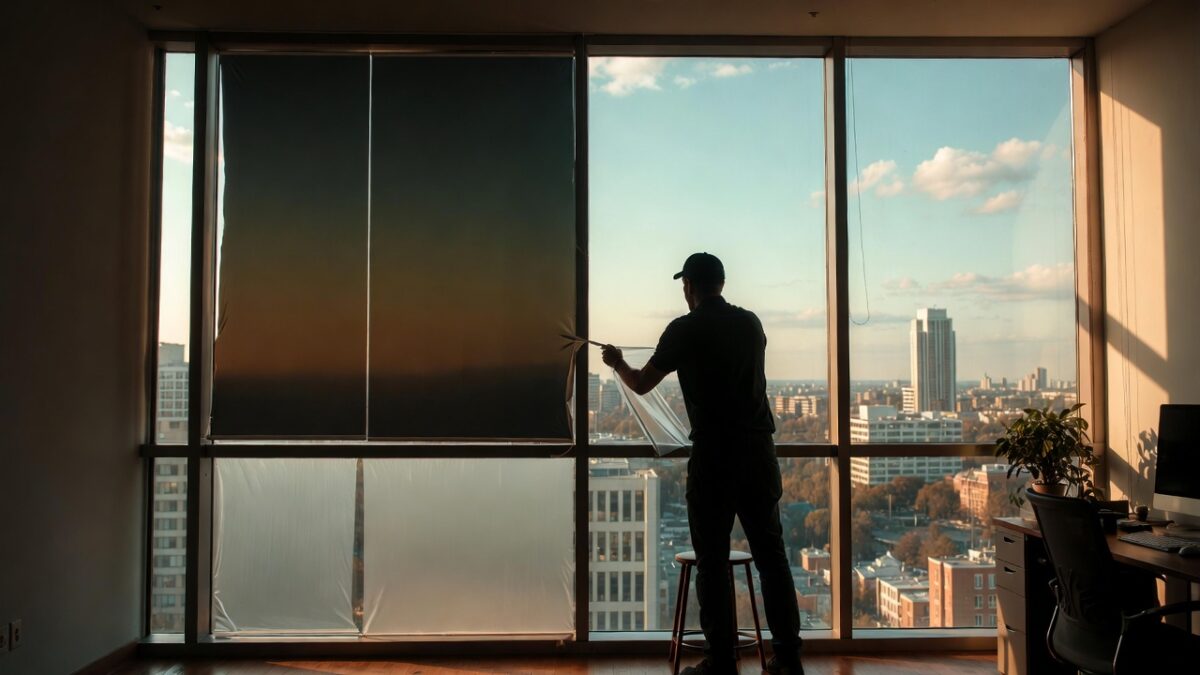
Professional window film installation

by Thomas Marquize (https://unsplash.com/@tomarquize)

Knowing what to expect during the installation process can help you prepare and ensure a smooth experience. Here’s a step-by-step overview:

Consultation and Assessment

The process typically begins with a consultation. A professional will visit your home to assess your windows and discuss your needs. They’ll provide recommendations based on your goals, such as energy efficiency or privacy enhancement.

Selecting the Right Film

Based on the assessment, you’ll choose the type of window film that best suits your requirements. Options include reflective, non-reflective, and decorative films, each offering different benefits.

Professional Installation

Installation is usually quick and non-intrusive. The technician will clean your windows thoroughly before applying the film to ensure a smooth, bubble-free finish. It’s essential to allow the film to cure properly, which can take a few days depending on the weather.

Cost Considerations

The cost of home window tinting can vary based on several factors:

Size and Number of Windows

Larger windows or a higher number of windows will increase the overall cost. However, the investment often pays off through energy savings and enhanced home value.

Type of Film

Different types of films come with varying price points. High-performance films that offer superior UV protection and energy efficiency might cost more but provide greater long-term savings.

Professional vs. DIY

While DIY kits are available, professional installation ensures a high-quality result with a warranty. Investing in professional services can prevent costly mistakes and ensure the longevity of the tint.

Maintaining Your Tinted Windows

After installation, maintaining your tinted windows is straightforward. Here are some tips to keep them in top condition:

Cleaning Tips

Use a soft cloth or sponge and a mild, non-abrasive cleaner to clean your windows. Avoid using harsh chemicals or tools that could scratch or damage the film.

Regular Inspections

Periodically check your windows for any signs of wear or damage. Addressing issues early can prevent more significant problems later on.

Conclusion

Home window tinting is a smart investment for any homeowner looking to enhance their living space’s comfort, privacy, and efficiency. By choosing a reputable local provider and understanding the process, you can enjoy the myriad benefits that tinted windows offer. Whether for energy savings, aesthetic appeal, or added security, window tinting is a versatile solution that can significantly improve your home.