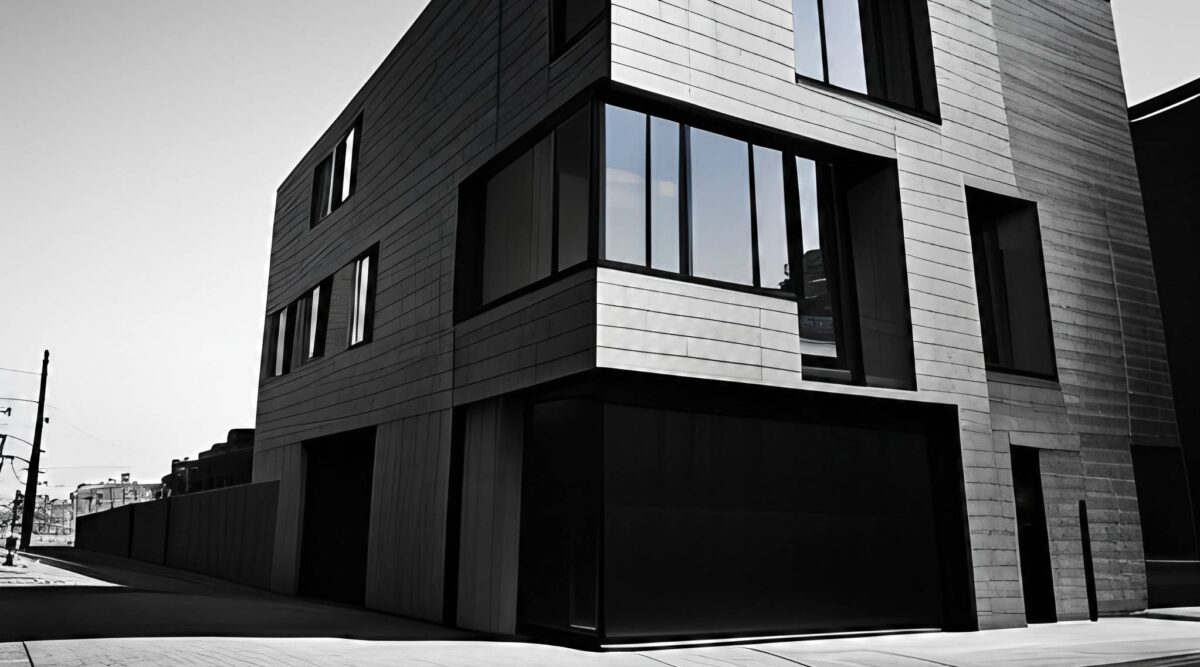
When considering enhancements for your home, residential window tinting offers a blend of style, privacy, and energy efficiency that can transform any living space. This home improvement can significantly enhance the ambiance of your home while providing functional benefits that improve your quality of life. However, before diving into this solution, it’s crucial to understand the costs involved to ensure it aligns with your budgetary constraints. This guide will walk you through the factors that influence window tint cost and help you make an informed decision, providing clarity on the financial aspects of this valuable home upgrade.

Understanding the Basics of Residential Window Tinting
Window tinting involves applying a thin film to the interior surface of windows. This film can vary in color, thickness, and performance characteristics, offering solutions for different needs such as UV protection, privacy, and energy efficiency. The technology behind window tinting has evolved significantly, allowing homeowners to choose from a range of films that cater to specific requirements. Whether you’re looking to reduce glare, improve insulation, or simply enhance the aesthetic appeal of your home, there’s a window tinting option to suit your needs.
Benefits of Home Window Tint
- Energy Efficiency: Tinting reduces heat gain during summer and heat loss during winter, lowering energy bills. By maintaining a consistent indoor temperature, window tinting can reduce the strain on heating and cooling systems, leading to further energy savings. Moreover, it contributes to a more sustainable lifestyle by decreasing your home’s carbon footprint.
- UV Protection: It blocks up to 99% of harmful UV rays, protecting your furniture and flooring from sun damage. This can help preserve the vibrancy and longevity of your interiors, preventing fading and deterioration. Additionally, UV protection is beneficial for your skin, reducing the risk of long-term UV exposure-related health issues.
- Increased Privacy: Tinting can provide a sense of privacy without compromising natural light. This makes it an ideal solution for homes situated in busy neighborhoods or areas with close proximity to neighbors. By opting for window tinting, you can enjoy the serenity of your home without the feeling of being on display.
- Enhanced Aesthetics: With various tint colors and styles, you can enhance the overall look of your home. Whether you prefer a sleek, modern appearance or a more traditional look, window tinting can complement your home’s design. It adds a sophisticated touch and can even increase your home’s curb appeal, potentially boosting its market value.
Types of Window Films
- Dyed Films: Offer basic privacy and a dark shade for windows. These films are often the most affordable option, providing a subtle enhancement to your home’s appearance. They work by absorbing solar heat, which helps reduce glare and offers a degree of insulation.
- Metalized Films: Provide increased heat rejection and glare reduction. These films contain tiny metallic particles that reflect solar energy, making them highly effective at controlling indoor temperatures. They are also durable and can reinforce the strength of your windows.
- Ceramic Films: Known for durability and superior performance, especially in UV and heat protection. Unlike metalized films, ceramic films do not interfere with electronic signals, making them ideal for modern homes with numerous electronic devices. They offer a high level of clarity, ensuring that your view remains unobstructed.

Factors Affecting Window Tint Cost
Several factors influence the cost of residential window tinting. Understanding these can help you budget accordingly and ensure that you get the best value for your investment.
Size and Number of Windows
The most obvious factor is the number and size of windows you wish to tint. Larger windows or a greater number of windows will naturally increase the cost. Consider also the shape and accessibility of the windows, as these can add to the complexity of the installation. Custom or uniquely shaped windows might require additional materials or labor, further impacting the overall cost.
Type of Film
As discussed, different films serve different purposes and come at different price points. For example, ceramic films are generally more expensive than dyed films due to their enhanced features. It’s important to weigh the benefits of each type of film against your specific needs and budget. Higher upfront costs for premium films can be offset by long-term savings in energy efficiency and durability.
Installation Complexity
Windows that are difficult to access or have unique shapes may require more labor-intensive installations, thus increasing the cost. The intricacy of the installation process can significantly affect the final price, so it’s essential to obtain a detailed quote that considers these variables. Professional installers can provide insights into potential challenges and offer solutions to ensure a seamless installation.
Professional Installation vs. DIY
While DIY kits are available, professional installation ensures precision and quality. Professionals bring expertise and often offer warranties, which can be a valuable investment for homeowners seeking longevity and performance. DIY projects might seem cost-effective initially, but they can lead to additional expenses if mistakes occur or the quality of the installation falls short.
Geographic Location
The cost of labor and materials can vary by region. Urban areas might have higher costs compared to rural settings due to increased demand and operational expenses. It’s advisable to compare quotes from multiple providers in your area to ensure competitive pricing. Consider also the reputation and reviews of local installers, as quality should not be compromised for cost savings.

by Waldemar (https://unsplash.com/@waldemarbrandt67w)
Calculating the Costs
Average Costs
On average, homeowners can expect to pay between $5 to $12 per square foot for window tinting. Here’s a breakdown:
- Dyed Films: $5 to $8 per square foot
- Metalized Films: $6 to $10 per square foot
- Ceramic Films: $8 to $12 per square foot
These estimates can vary based on the factors mentioned earlier, such as window size and installation complexity. It’s essential to obtain detailed quotes from multiple providers to get a sense of the average costs in your area.
Additional Costs
- Removal of Old Tint: If your windows have existing tint that needs removal, this can add to the cost, typically around $2 to $4 per square foot. Removal requires careful handling to avoid damaging the window glass, which can incur additional costs if not done correctly.
- Warranties: Some companies offer extended warranties for an additional fee, which can be beneficial for long-term peace of mind. Warranties can cover defects, installation issues, and even fading, providing assurance that your investment is protected.
Sample Calculation
Let’s say you’re tinting 10 standard-sized windows, each measuring 3×5 feet, with a ceramic film. The calculation would be:
- Total square footage: 10 windows x 15 square feet = 150 square feet
- Cost for ceramic film: $8 x 150 square feet = $1,200
This is a rough estimate, and actual prices can vary based on the factors discussed. It’s advisable to consult with professionals who can provide a more precise estimate based on an evaluation of your specific needs.
Making the Right Choice
Assessing Your Needs
To determine the best type of window tint for your home, consider your primary goals—be it energy efficiency, privacy, or aesthetics. Reflect on your home’s specific challenges, such as excessive sunlight or lack of privacy, and choose a film that addresses these issues effectively. Prioritizing your needs will guide you in selecting the most suitable option.
Consulting with Professionals
A professional consultation can provide insights into the best solutions for your specific needs and budget. Experts can offer recommendations based on your home’s architecture and your personal preferences. They can also provide samples, allowing you to visualize how different tints will look in your home.
Balancing Cost and Value
While cost is an important factor, consider the long-term benefits of window tinting. Energy savings, increased comfort, and enhanced home value are significant advantages that can offset initial expenses over time. Investing in quality materials and installation can yield returns in the form of reduced utility bills and increased property value.
Final Thoughts
Residential window tinting is a worthwhile investment for homeowners seeking to enhance their living spaces. By understanding the costs and benefits, you can make an informed decision that aligns with your needs and budget. Whether you’re an interior designer looking to offer clients eco-friendly solutions or a homeowner wanting to improve energy efficiency, window tinting offers a versatile and valuable option.
In conclusion, with the right choice of film and professional installation, window tinting can provide both immediate and long-lasting benefits, transforming your home into a more comfortable, stylish, and efficient environment. By taking the time to assess your needs and consult with professionals, you can ensure that your investment yields the maximum returns in terms of comfort, savings, and aesthetic appeal.