Window films are one of the most common upgrades homeowners and businesses use in Toronto and the GTA when privacy becomes a problem. Privacy window film and home window film are installed on existing glass to block clear views while still letting daylight in. People search for window films when curtains stop working, blinds break, or glass feels too exposed.
Across Toronto, from downtown condos to detached homes in North York and Scarborough, window films are used to fix privacy issues without changing the window itself. They install fast. They stay in place. And they solve a real problem that shows up year round, not just in summer.
This guide explains what window films are, how privacy window film works, and where it makes the most sense in real Toronto homes and offices.
What Window Films Are and How They Work on Glass
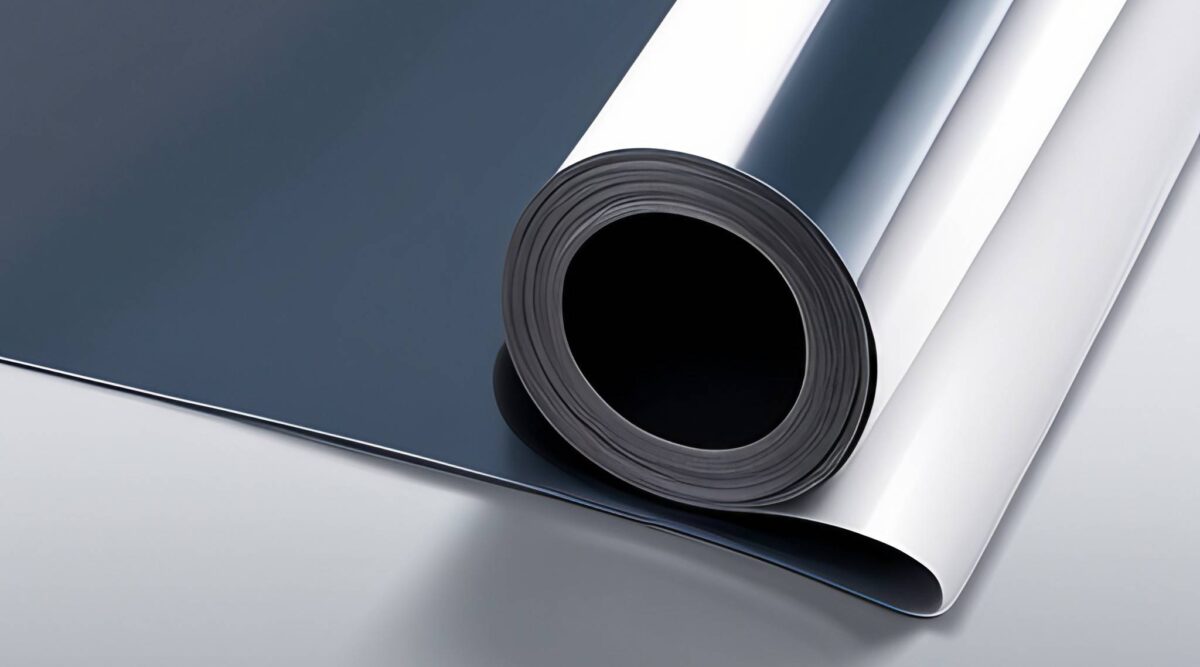
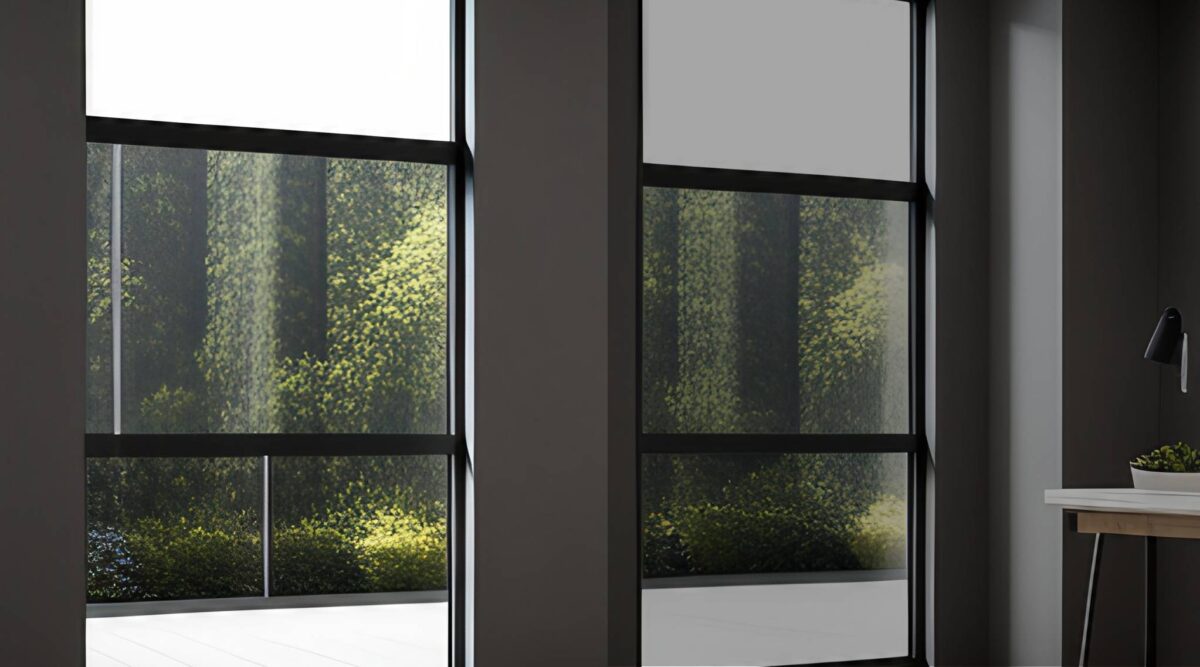
Window films are thin layers applied directly to glass. Privacy window film changes how light moves through the window so people cannot see inside clearly. Some films blur shapes. Others reflect light. Some fully frost the glass.
Many people confuse window tint and window film. They are related but not the same. Tint often focuses on glare or heat. Privacy window film focuses on blocking views. If you want a simple breakdown, this guide explains the difference clearly: window tint vs window film.
Privacy window films usually fall into three groups:
- Frosted and etched films that block views at all times
- Decorative films with patterns or textures
- One-way films that reflect light during the day
Frosted privacy window film is the most common choice in Toronto. It works during the day and at night. It still lets light in. And it does not rely on lighting balance.
Window films install using a water-based solution. The film bonds to the glass once dry. It looks built in but can be removed later if needed. This matters in condos where permanent changes are not allowed.
If you want a simple explanation of one popular option, this guide helps: what is frosted window film.
Using Window Films for Homes and Bathrooms in Toronto
Bathrooms are where most homeowners start. In older Toronto homes and many GTA condos, bathroom windows face walkways, driveways, or neighbours. Curtains get damp. Blinds collect dust. Window films avoid both issues.
Home window film gives full privacy while keeping daylight. Frosted privacy window film is the most common choice for bathrooms because it blocks views all day and night.
Homeowners also use window films on:
- Front living room windows facing the street
- Ground floor condo units
- Side doors with glass panels
- Home offices near sidewalks
Winter is when privacy problems show up fast. In Toronto, lights go on early. Rooms become visible from outside by 5pm. Window films fix that without making rooms dark.
A recent example comes from a semi-detached home near Danforth Avenue. The homeowner had a bathroom window facing a shared driveway. Curtains felt bulky. Frosted window film was installed in under an hour. The room stayed bright. Privacy stayed full. No more adjusting anything daily.
Many home window films also block UV rays. UV fades floors and furniture over time. For general UV facts, Health Canada explains it clearly here: Health Canada – UV radiation.
If you want more detail on film options that reduce UV, this page explains it: UV blocking window films.
Window Films for Offices and Commercial Spaces
Glass offices look clean but remove privacy fast. This shows up in downtown Toronto, North York Centre, and Mississauga offices.
Window films are used in offices for:
- Boardrooms
- Clinics and treatment rooms
- HR offices
- Shared workspaces
Frosted and patterned films reduce distractions while keeping spaces bright. Some offices add stripes or logos for branding.
A small law office near Yonge and Sheppard added frosted window film to glass meeting rooms. Staff said calls felt less exposed. Clients said the space felt calmer. No walls were built. No light was lost.
Commercial window films are made to handle daily cleaning. When installed properly, they stay smooth for years.
For neutral information about daylight and workspaces, this resource is helpful: NIOSH workplace lighting basics.
To see full residential and commercial window film options, visit the Tintly Window Films homepage.
Choosing the Right Window Films in the GTA
Not all window films work the same way. Glass type, lighting, and layout matter. Toronto homes use many different window styles, from older double pane units to new condo glass.
- One-way films depend on light balance
- Frosted films block views all the time
- Decorative films add style with privacy
A professional installer will ask when privacy is needed, whether the view matters, and if condo rules apply. These questions prevent the wrong film choice.
Many people compare window films to replacing windows. Film costs less. Installation is faster. And no construction is needed. This comparison explains it well: window film vs window replacement.
For industry education that is not sales based, the International Window Film Association shares neutral info here: International Window Film Association.
Why Window Films Replace Blinds in Toronto Homes and Offices
Blinds bend. Curtains fade. Both collect dust. Window films stay in place.
- No daily adjusting
- Rooms stay bright
- Clean look
- Works year round
In condos near Queen West, window films keep rooms open. In offices, they reduce distractions without closing spaces off.
Some people try DIY window film. Many replace it later due to bubbles or peeling edges. Professional installation keeps edges clean, especially on large windows.
For a clear comparison, this guide explains it: DIY vs professional window film installation.
For general home comfort and energy basics in Canada, this resource is useful: Natural Resources Canada – home energy efficiency.
Window Films for Privacy in Toronto and the GTA
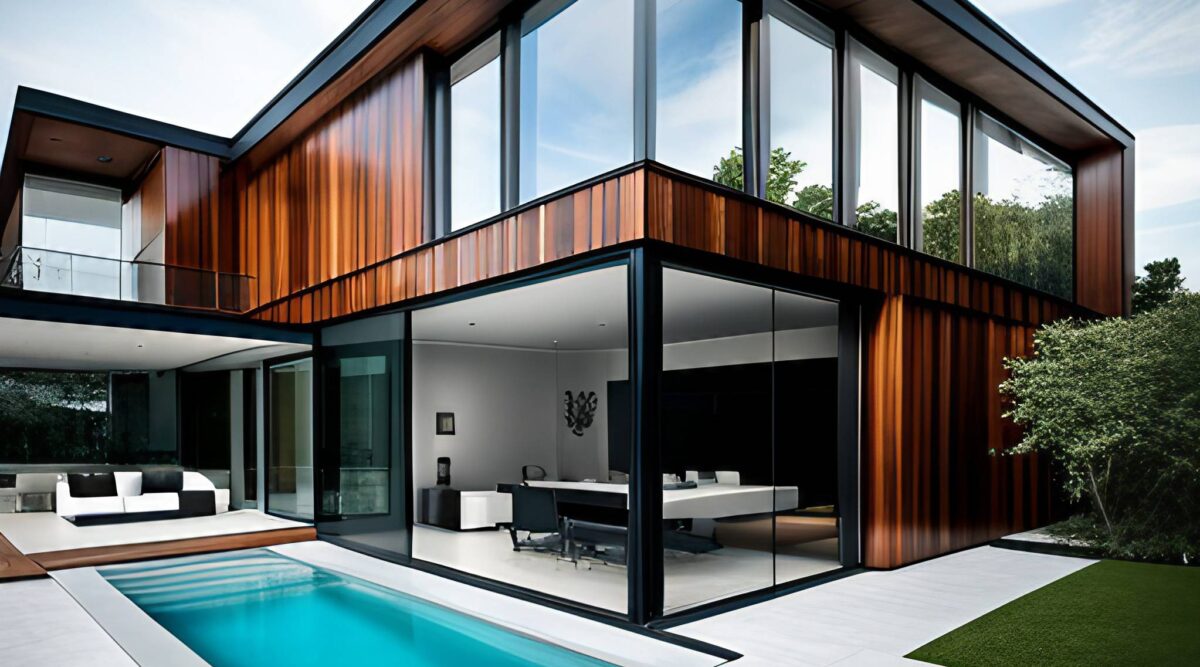
Window films solve privacy problems without changing the window. Privacy window film and home window film work in bathrooms, living rooms, offices, and condos across Toronto and the GTA.
From Scarborough to Mississauga, the reason people choose window films is simple. The glass stays. The light stays. The privacy problem goes away.
Once installed, most people stop thinking about it. And that is usually the point.